

(Source: Kensho.com, returns for Japanese, Asia ex-Japan and U.S. stocks one day after mid- and intermediate-range North Korean missiles tests dating back to 1993.)
The North Korean missile threat is also driving security policy in the region in more traditional ways. Last week newly minted U.S. Secretary of Defense James Mattis‘ first international trip since taking office made stops in both Tokyo and Seoul to reassure the U.S. allies that Trump’s administration and the U.S. military stand behind them, as well as to issue a warning to North Korea that any use of nuclear weapons would be met with an “overwhelming” response by the U.S. U.S. Rep. Mac Thornberry (R-Texas), chairman of the House Armed Services Committee, has also called for increased spending on missile defense in direct response to recent ballistic missile tests by North Korea and Iran.
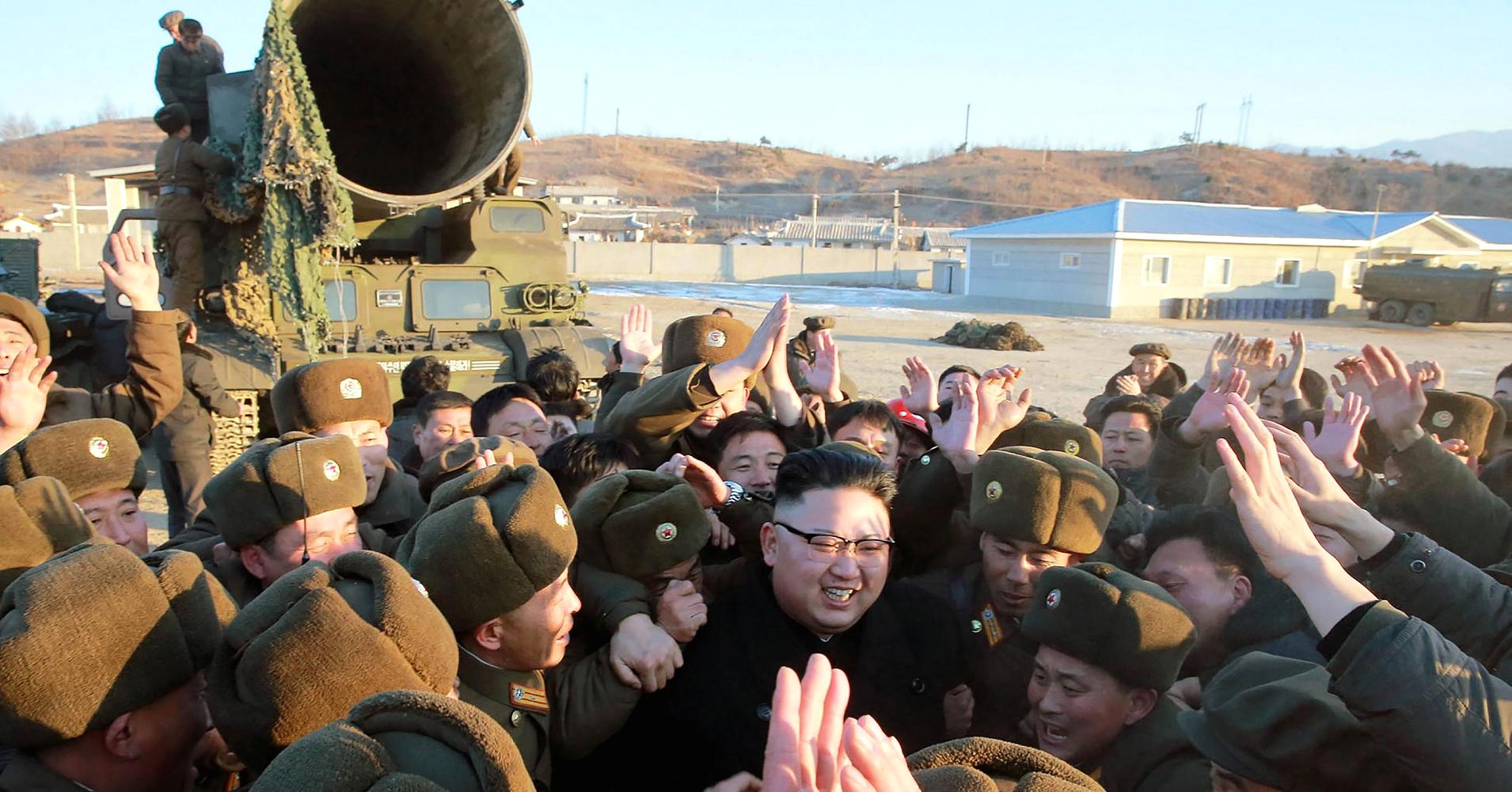
For North Korea, capping off its ballistic missile arsenal with an ICBM isn’t necessarily about launching strikes at faraway targets like the U.S. mainland, Lewis said. It’s about showing its regional adversaries that it is both serious about its nuclear and missile programs, and that it has the technical proficiency to wage a very modern kind of warfare if threatened. In the event armed conflict broke out in the region, an ICBM also provides North Korea a means to push the U.S. in particular toward de-escalation rather than the kind of “overwhelming” response promised by Mattis.
“It’s not a guarantee, but it’s a really important step,” Lewis said. “It’s the straw that stirs the drink. If we get any bright ideas about rolling into Pyongyang, they have this retaliatory capability. And that really enables them to use their theater capabilities much more aggressively because we’re not going to want to escalate. So if they have an ICBM capability that they can rely upon, it could be very destabilizing.”
That said, a North Korean ICBM test is not something to panic over, but rather something to prepare for. “Folks have seen this threat coming for 20 years,” Karako said. “That’s why we have missile defenses in Alaska. It’s a real threat, it’s a growing threat, but it’s one that we can and should continue to outpace.”
— By Clay Dillow, special to CNBC.com






