

Extreme weather events and natural disasters are the likeliest global risks to occur in 2018, according to experts surveyed by the World Economic Forum.
WEF’s latest Global Risks Report 2018, published Wednesday, showed that environmental disasters, cybercrime, large-scale involuntary migration and illicit trade were among the most notable risks, in terms of likelihood, facing the world this year.
As with previous reports, the top-ranking global risk in terms of impact was the use of weapons of mass destruction. But this was followed in the table of top 10 risks by three environmental risks: Extreme weather events, natural disasters and a failure of climate-change mitigation and adaptation.
Almost 1,000 global experts and decision-makers were surveyed on their views on the most significant risks that face the world. The risks ranged from the diverse categories of economic, environmental, geopolitical, societal and technological.
The results formed the bulk of WEF’s new risks perception survey, which feeds into its global report, and showed a large increase in the number of responses signalling there would be an “intensification of risks” in 2018. Indeed, a press release by the organization Wednesday said the world was entering a “critical period of intensified risks in 2018.”
The experts were asked to prioritize 30 global risks in terms of likelihood and impact and, in fact, all five environmental risks — extreme weather; biodiversity loss and ecosystem collapse; major natural disasters; man-made environmental disasters; and failure of climate-change mitigation and adaptation — were ranked highly on both dimensions.
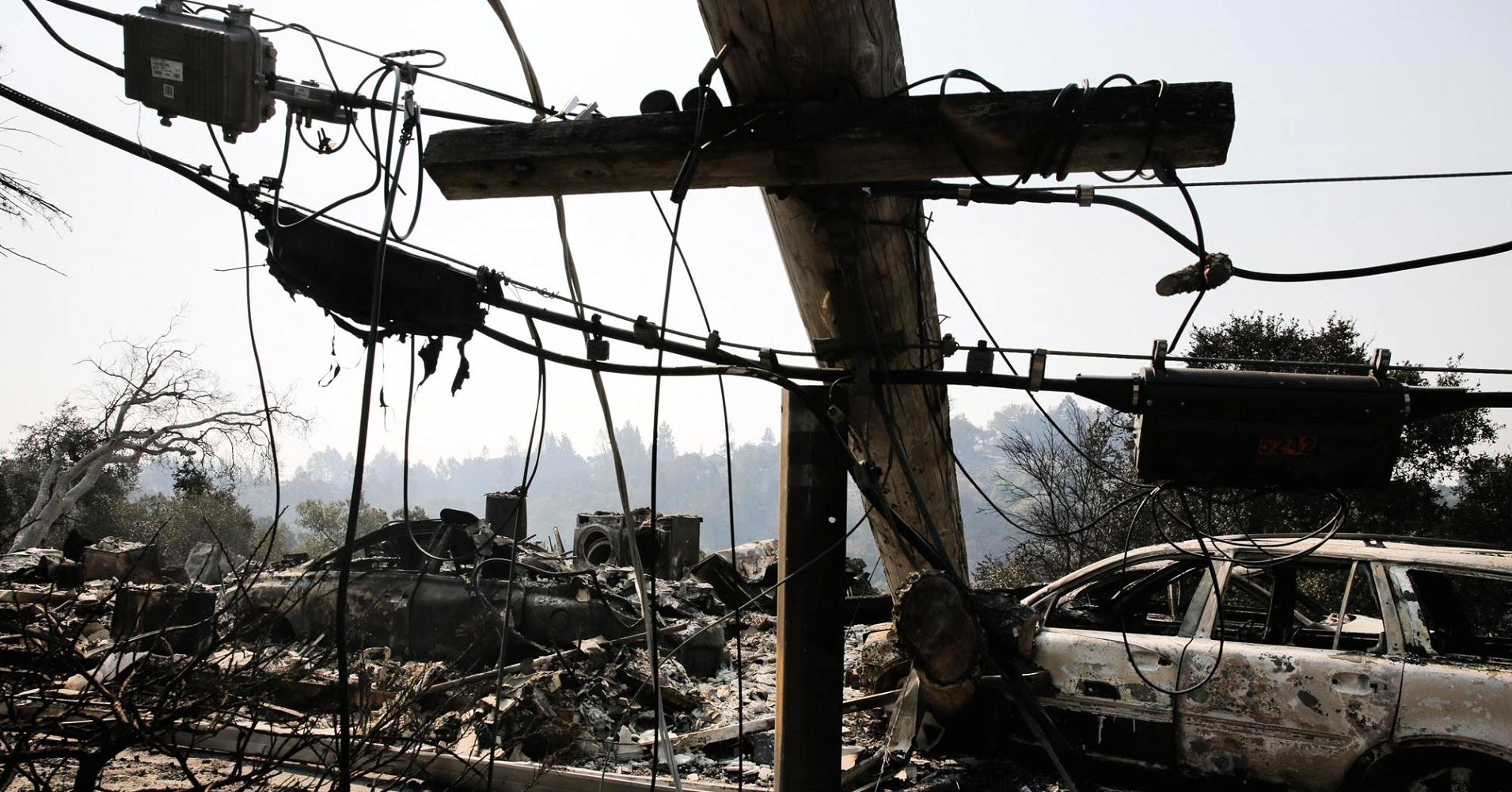
Following a year in which heatwaves, wildfires and hurricanes were commonplace, “extreme weather events” has for the second year in a row been seen as the single most prominent risk for 2018.






