

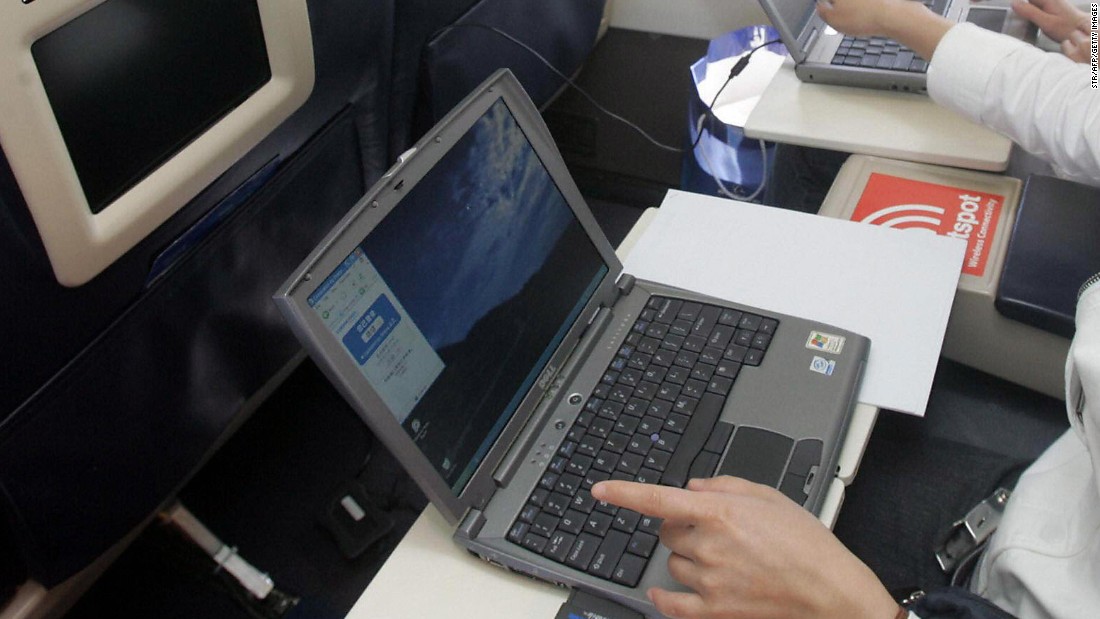
One factor, a US official told CNN, was recent intelligence that the terrorist group al Qaeda in the Arabian Peninsula (AQAP) was perfecting techniques for hiding explosives in batteries and battery compartments of laptops and other commercial electronic devices. The intelligence was obtained in recent weeks and months, according to the official.
More generally, US officials have said intelligence shows that terrorist groups are still looking to target commercial flights by smuggling explosive devices in various items.
A US official tells CNN they are seeing a growing capability to target aviation from al Qaeda affiliates in Yemen, Syria, Somalia, as well as ISIS. It’s not fully clear to what extent these groups are sharing specific information but “there is a growing pool of intelligence all pointing to threats to aviation” the official said.
ISIS is believed to be not as advanced in perfecting techniques for hiding explosives in electronics as AQAP, the official added.
If that were to change it could significantly increase the threat because of ISIS’s still significant resources, global reach and remaining large cohort of Western recruits.
Drumbeat of al Qaeda plots
AQAP has for years been working to perfect techniques to get bombs on planes.
In 2009, al Asiri fitted out a Nigerian AQAP recruit with an explosive underwear device containing PETN, a white powdery explosive that basic X-ray systems have difficulty detecting.
But the attempted attack failed to bring down the passenger jet, landing in Detroit on Christmas Day. Al Asiri used the same explosive compound concealed in printer cartridges in a plot to blow up cargo jets headed to the United States just before the 2010 mid-term elections.
They pointed out that in 2014 it emerged that al-Asiri and his team of bombmakers had “continued to do research and development on explosive devices, including shoe bombs.” In the summer of 2015, al Asiri declared hitting the United States remained a priority.
In an interview with CTC Sentinel last September then CIA director John Brennan stated al Asiri was still at large and had become “very sophisticated in terms of his concealment capabilities.”
In early to mid 2014, US intelligence agencies learned that the so-called Khorasan group — a network of al Qaeda veteran operatives in Syria — was developing plans to conceal bombs in personal electronics and smuggle them onto Western passenger aircraft.
One former senior Western counter-terrorism official told CNN there is worry the recent escalation in US counter-terrorism operations in Yemen, including January’s Navy Seal raid, might lead to the group retaliating.
Exploding Laptops
The February 2016 a bomb attack on a Somali airliner leaving Mogadishu made clear terrorist groups’ continued determination to bring down passenger jets.
The suicide bomber was blown out of the aircraft when the laptop bomb detonated and the plane was able to make an emergency landing. Only the fact that the aircraft had not reached cruising altitude prevented a disaster.
Questions unanswered
It is still not fully clear why the new restrictions are being implemented now, given the Somali attack was more than a year ago and the longstanding intelligence indicating al Qaeda groups have been working to conceal explosives in electronics for years.
Moreover, explosive detection experts believe it is much less likely that a laptop bomb would get through screening at international aviation hubs, like Dubai and Abu Dhabi, which operate state of the art detection systems and layered security.
Another aspect that is puzzling counterterrorism analysts is why the ban on laptops applies only to cabin luggage when the same explosive detection technology is used for both hand and checked baggage.
This might suggest Western intelligence is concerned about a threat stream involving manually detonated devices, like in the Christmas 2009 underwear bombing attempt.
Aviation security experts tell CNN there is particular concern over carry-on explosives because suicide bombers have sought to locate themselves to do maximum damage to the fuselage, increasing the chances of a catastrophe.
In the attempt to blow up the Somali airliner, the bomber knew precisely were to sit to maximize damage, a source close to the investigation told CNN. When it comes to hold luggage, terrorists have no control over the placement of their baggage creating the possibility a bomb hidden inside would be some distance from the fuselage and be insulated by other luggage, the aviation security sources told CNN.
Another reason why terrorists might want to bring explosive devices into the cabin is that their plans might require them to assemble them mid flight from multiple components possibly carried by multiple passengers. A former senior US official told CNN this has also been a longstanding concern of US security agencies.
Timer triggered devices are however well within the skill set of a group like AQAP.






