
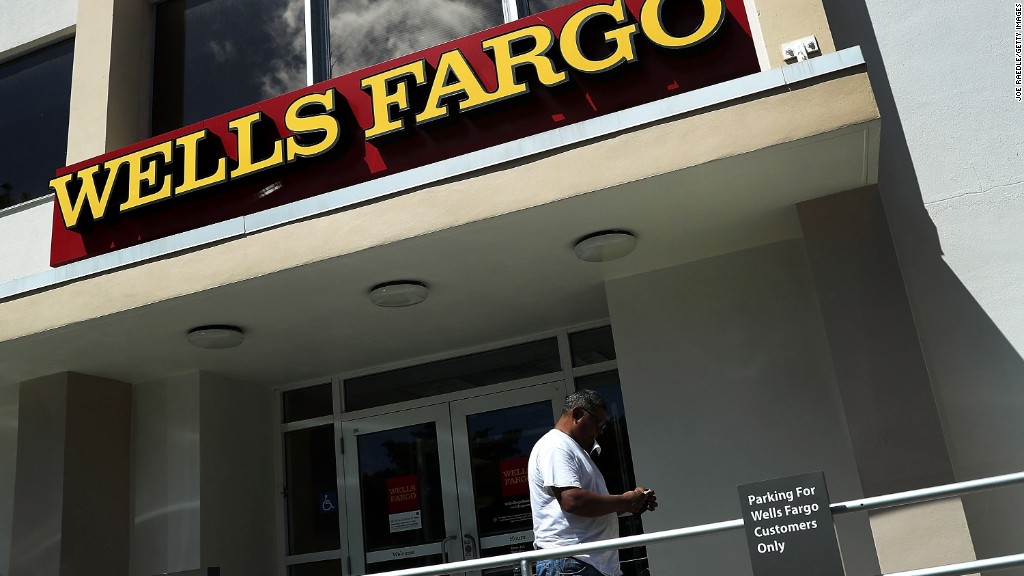
Wells Fargo is taking back another $75 million from its former CEO and another top executive, blaming them for playing central roles in the bank’s fake account fiasco.
The actions announced on Monday were the result of a massive, six-month investigation by Wells Fargo’s independent directors into the bank’s broken culture.
‘;
for (i = 0; i 4) {
afterParagraphFour = true;
}
currentParagraph = storytext.childNodes[i];
heights += currentParagraph.clientHeight;
if (heights >= limit && insertAfterThisParagraphIndex === -1) {
insertAfterThisParagraphIndex = SMARTASSET.setDivIndex(i);
console.log(“insert after paragraph number ” + i);
console.log(“HEIGHTS = ” + heights);
console.log(“LIMIT = ” + limit);
}
}
/* div with id=”ie_column” */
else if (storytext.childNodes[i].nodeName.toLowerCase() === ‘div’ &&
storytext.childNodes[i].id !== “undefined” &&
storytext.childNodes[i].id ===”ie_column”) {
heights = 0;
limit = 80;
insertAfterThisParagraphIndex = -1
}
/* embeds from twitter, facebook, youtube */
else if (storytext.childNodes[i].nodeName.toLowerCase() === ‘div’ &&
storytext.childNodes[i].classList.contains(’embed’)) {
heights = 0;
limit = 80;
insertAfterThisParagraphIndex = -1
}
/* cnn video player */
else if (storytext.childNodes[i].nodeName.toLowerCase() === ‘div’ &&
storytext.childNodes[i].classList.contains(‘cnnplayer’)) {
heights = 0;
limit = 80;
insertAfterThisParagraphIndex = -1
}
/* images */
else if (storytext.childNodes[i].nodeName.toLowerCase() === ‘img’) {
heights = 0;
limit = 80;
}
/* images stored in figure tags */
else if (storytext.childNodes[i].nodeName.toLowerCase() === ‘figure’) {
heights = 0;
limit = 80;
}
}
if (heights >= 875 && afterParagraphFour) {
storytext.childNodes[insertAfterThisParagraphIndex].insertAdjacentHTML(‘afterend’, smartAssetDiv);
smartasset = document.getElementById(‘smartasset-article’);
smartasset.style.float = ‘left’; // allows module to have text float to right
smartasset.style.marginRight =’20px’;
smartasset.style.marginBottom =’25px’;
}
}
SMARTASSET.setSmartAssetScript = function() {
console.log(‘starting setSmartAssetScript’);
SA = document.SA || [];
SA.push({
embedUrl: “https://smartasset.com”,
container: “#smartasset-article”,
version: 1.1,
data:
{ key: “bdknf2rinbhwvdksm6zbmhf3twrv4oih” }
/*{ key: “CNNe038d38a57032085441e7fe7010b0” }*/
});
console.log(‘finished in setSmartAssetScript push() call’);
var smscript = document.createElement(“script”);
smscript.type = “text/javascript”;
smscript.async = true;
smscript.src = (“https:” == document.location.protocol ? “https://” : “http://”) + “smartasset.com/embed.js”;
var s = document.getElementsByTagName(“script”)[0];
s.parentNode.insertBefore(smscript, s);
console.log(“finished entire function of setSmartAssetFunction()”);
};
SMARTASSET.setSmartAssetDiv();
SMARTASSET.setSmartAssetScript();
Wells Fargo’s (WFC) board on Friday took back an additional $28 million from John Stumpf because the longtime CEO was “too slow to investigate or critically challenge” the bank’s sales tactics, the 110-page report said.
It also clawed back $47 million from Carrie Tolstedt, the former head of Wells’ community banks. Tolstedt and other bank leaders were “unwilling to change the sales model or recognize it as the root cause of the problem,” the board found. Directors said Tolstedt and other execs “resisted and impeded scrutiny or oversight” and even “minimized the scale and nature of problems.”
All told, Wells Fargo senior executives are returning $180 million in pay. The board report said it is among the largest corporate clawbacks ever.
“This exhaustive investigation identified serious issues in Wells Fargo’s decentralized structure and the sales culture of the community bank,” Wells Fargo Chairman Stephen Sanger said in a statement.
Related: Top Federal Wells Fargo inspector removed
The report confirmed what former Wells Fargo employees have previously told CNNMoney: sales abuse was going on for a lot longer than the 2011 to 2016 period that the bank has admitted to.
Sales misconduct and “mass terminations” took place at Wells Fargo since “at least 2002,” according to the investigation.
For instance, the report said that in the summer of 2002 “almost an entire branch” in Colorado was found by Wells Fargo internal investigations to have engaged in improper sales tactics, including unauthorized debit cards. However, only “several” employees and managers were fired or resigned even though company rules required that everyone involved be terminated.
But it didn’t stop there. The board investigation found that additional “mass terminations” and individual firings for gaming Wells Fargo’s sales goals “continued sporadically over the next 10 years.” Wells Fargo employment lawyers “at all levels were either made aware of or were themselves involved in addressing these terminations,” the report found.
Still, it seemed that Wells Fargo’s top management had little success or made few efforts to address this growing and alarming problem.
Related: Wells Fargo’s whistleblower problem worsens
The board said it wasn’t until 2011 when a recurrence of events led Wells Fargo employment lawyers to recognize the sales pressure as a “root cause” of the abuse. That year, 13 fired Wells Fargo bankers and tellers at a California branch “charged management with being aware of, encouraging and benefiting from their conduct” and wrote a letter to Stumpf, the report said. In May 2011, Wells Fargo convened a task force aimed at addressing the sales issues to discuss the mass firings and “reputational risk” of the sales goals.
As part of the investigation, Shearman & Sterling lawyers hired by Wells Fargo’s board conducted 100 interviews of current and former managers, employees, directors and others and searched through 35 million documents. The lawyers also combed through hundreds of interviews of lower-level employees that were conducted by Wells Fargo.
Wells Fargo reached a $185 million with the government in September and admitted to firing 5,300 employees and creating some 2 million unauthorized accounts. The news set off a firestorm of criticism and led to more than a dozen investigations and lawsuits, the sudden retirement of Stumpf, and forced Wells Fargo to eliminate unrealistic sales goals that promoted cheating.
Related: I called the Wells Fargo ethics line and was fired
The report was pretty damning in its assessment of former CEO Stumpf and his lack of understanding of the depth of the problems at the bank. It found that Stumpf’s commitment to the Wells Fargo sales culture and its decentralized structure led him to “minimize problems,” despite “growing indications that the situation was worsening.”
“Stumpf was by nature an optimistic executive who refused to believe that the sales model was seriously impaired,” the report said, adding that he often blamed the problem on just a few bad employees instead of a broken culture.
Stumpf told Congress last September that he is “fully accountable for all unethical sales practices” and acknowledged he should have done “more sooner” to address this.
The other problem, the board found, is that Stumpf’s long history with Tolstedt “influenced his judgment,” causing him to ignore doubts about her leadership that were raised from the bank’s lead independent director and head of its risk committee about her leadership.
Former Wells Fargo employees have described an atmosphere that led them to fear speaking up about illegal activity. Almost half a dozen Wells Fargo workers told CNNMoney last year that they were fired after calling the bank’s confidential ethics hotline. More recently, the federal government ordered Wells Fargo to rehire one fired whistleblower and warned it may force the bank to welcome back another.
Related: Elizabeth Warren’s epic takedown of Wells Fargo CEO
However, the board report released on Monday said that after a “limited review” Shearman & Sterling “has not identified a pattern of retaliation” against bank employees who complained about sales pressure or practices. Wells Fargo said the review, which looked into media reports and other documents, remains ongoing.
The Wells Fargo board said it has “total confidence” in the bank’s current management ,but pledged to maintain strong oversight and accountability going forward.
The scandal has put pressure on Wells Fargo’s board, too. Last week Institutional Shareholder Services, a shareholder watchdog group, recommended that Wells Fargo investors vote against the directors due to lax oversight.
CNNMoney (New York) First published April 10, 2017: 7:52 AM ET

NMLS #1136