

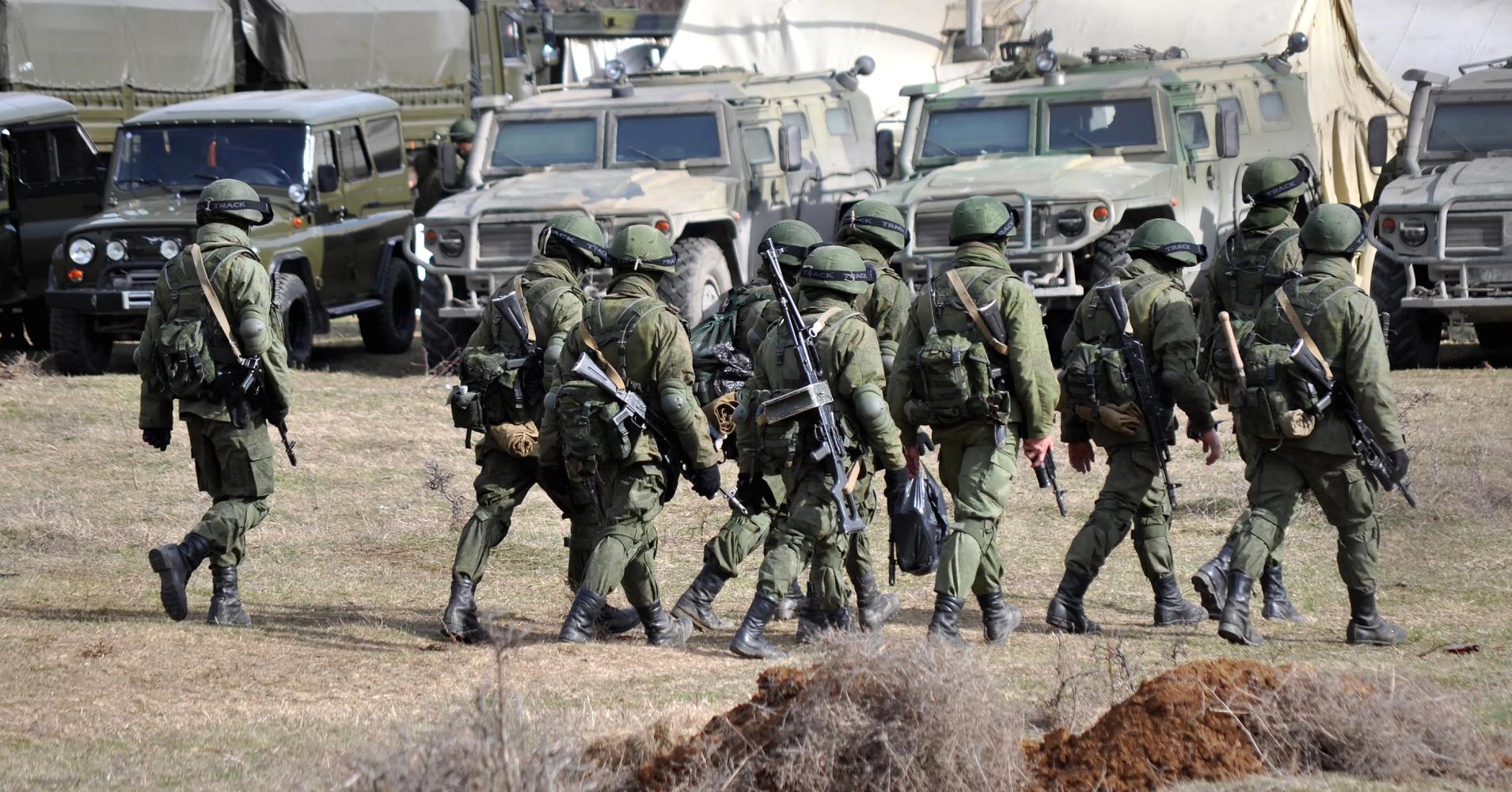
“The danger of incidents or accidents has increased because there are more troops, more military forces along our borders, there are more exercises, and that’s exactly why we are so focused on transparency, predictability,” NATO’s chief added.
Lithuania, which borders Belarus and formerly part of the Soviet bloc, is wary of the increased threat and unpredictability of Russia.
President of Lithuania Dalia Grybauskaite told CNBC Thursday that Russia has built-up its equipment and its cooperation with Belarus, which could pose a threat to Lithuania.
Grybauskaite believes that there’s a “very large” probability that part of Russia’s equipment, including troops, will be kept in Belarus after the military exercise.
“Russia is still very, very unpredictable, and it has proved this unpredictability with its activities in occupying Crimea, Ukraine, and Georgia,” she said.
NATO has increased its presence in the Baltic countries after Russia’s annexation of Crimea. About 1000 German troops are in Lithuania; U.S., British and Canadian-led units are also present in Poland, Estonia, and Latvia.
“We are prepared as never before to react, to watch, to see what’s happening behind our borders,” Grybauskaite told CNBC.
“History teaches us that we need to see and watch and prepare for the activities of Russia,” she added.






