

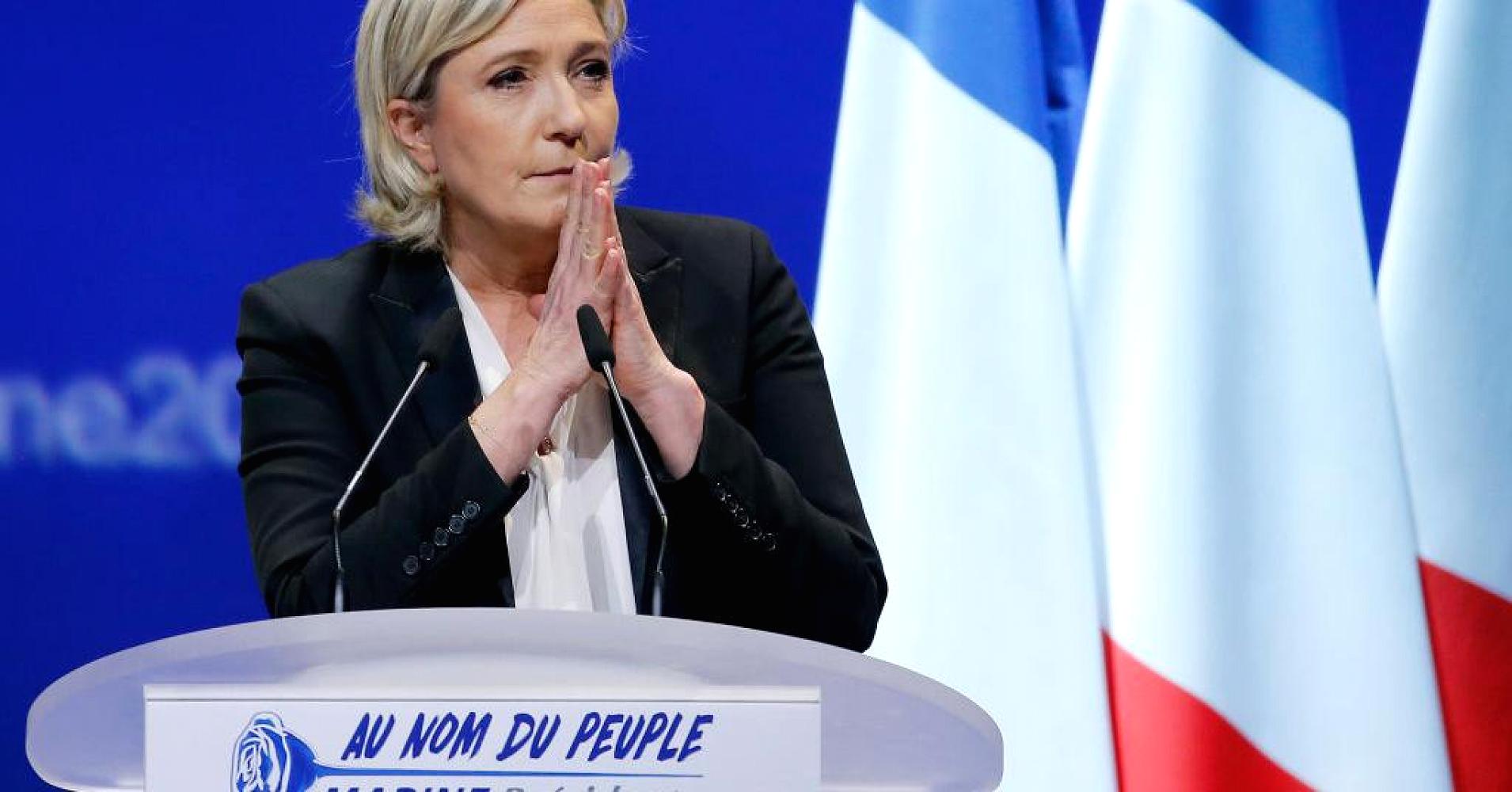
Europe may be swept up in the surge in support for populist parties, but the solutions they offer will not solve the economic problems facing the continent, the president of the German Ifo Institute told CNBC.
There are two reasons behind the increasing enthusiasm of European citizens for populist parties: antipathy to the rising number of immigrants in northern Europe while the south is fed up with the stagnating economy, Clemens Fuest, president of the Ifo institute for economic research told CNBC on Wednesday.
“We’ve been spending 10 years now first with the financial crisis and then the euro crisis,” he noted.
“That leads people to lose confidence and to lose trust in established political parties and populists can exploit this situation and argue they have a simple solution for this complex issue,” he added.
Looking at opinion polls projecting election outcomes in four major euro economies, it is clear that populist parties are on course to have a more crucial role in policymaking.
“Populist economic policy is normally expansionary, irrespective of the economic situation, so it’s short-termist, goes against globalization…it rejects international organizations like the WTO or the European Union, it exaggerates the negative economic impact of immigration and generally blames foreigners,” Fuest said.
He added that populist parties usually raise the right issues but “the answers they give are normally simplistic and the recipes don’t work.”






