

Last year, Venezuela was the fourth largest supplier of crude oil and products to the U.S., according to the Energy Information Administration (EIA).
Brennock said U.S. imposed sanctions on the oil-dependent state’s crude industry would force Caracas to offer steep discounts in a desperate search for new buyers and also leave the country reeling with the prospect of supply restrictions of vital diluents. Such diluents are essential in helping to market and transport Venezuela’s tar-like heavy crude, he added.
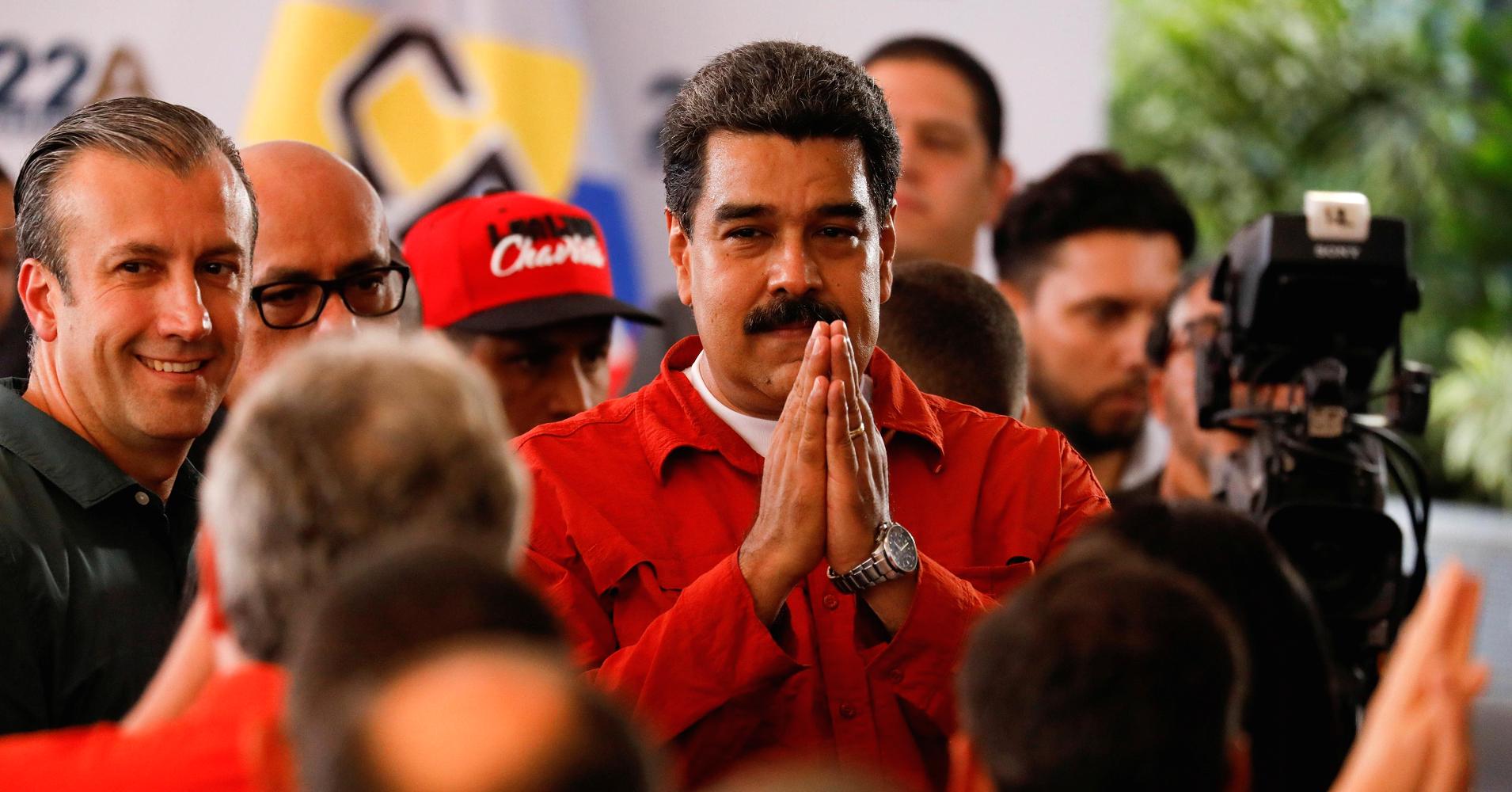
Meanwhile, Maduro is running for another six-year term in a general election next month. The current premier is asking supporters to stick with his brand of “21st century socialism” in order to keep the country on track to recover 70 percent of its lost oil production in the first six months of the year.
In 2017, Venezuela’s crude sales to the U.S. slipped below 600,000 — the lowest level of sales to America in almost three decades, according to Reuters.
Citizens of the crisis-torn state are struggling to cope with widespread food shortages, the collapse of its traditional currency and relentless hyperinflation — which the International Monetary Fund (IMF) has forecast to hit 13,000 percent in 2018. At the same time, almost 75 percent of Venezuelans are reportedly suffering from weight loss while unemployment in the country is expected to skyrocket to 32 percent by 2022.
Washington has dismissed Venezuela’s upcoming vote as a sham.






