

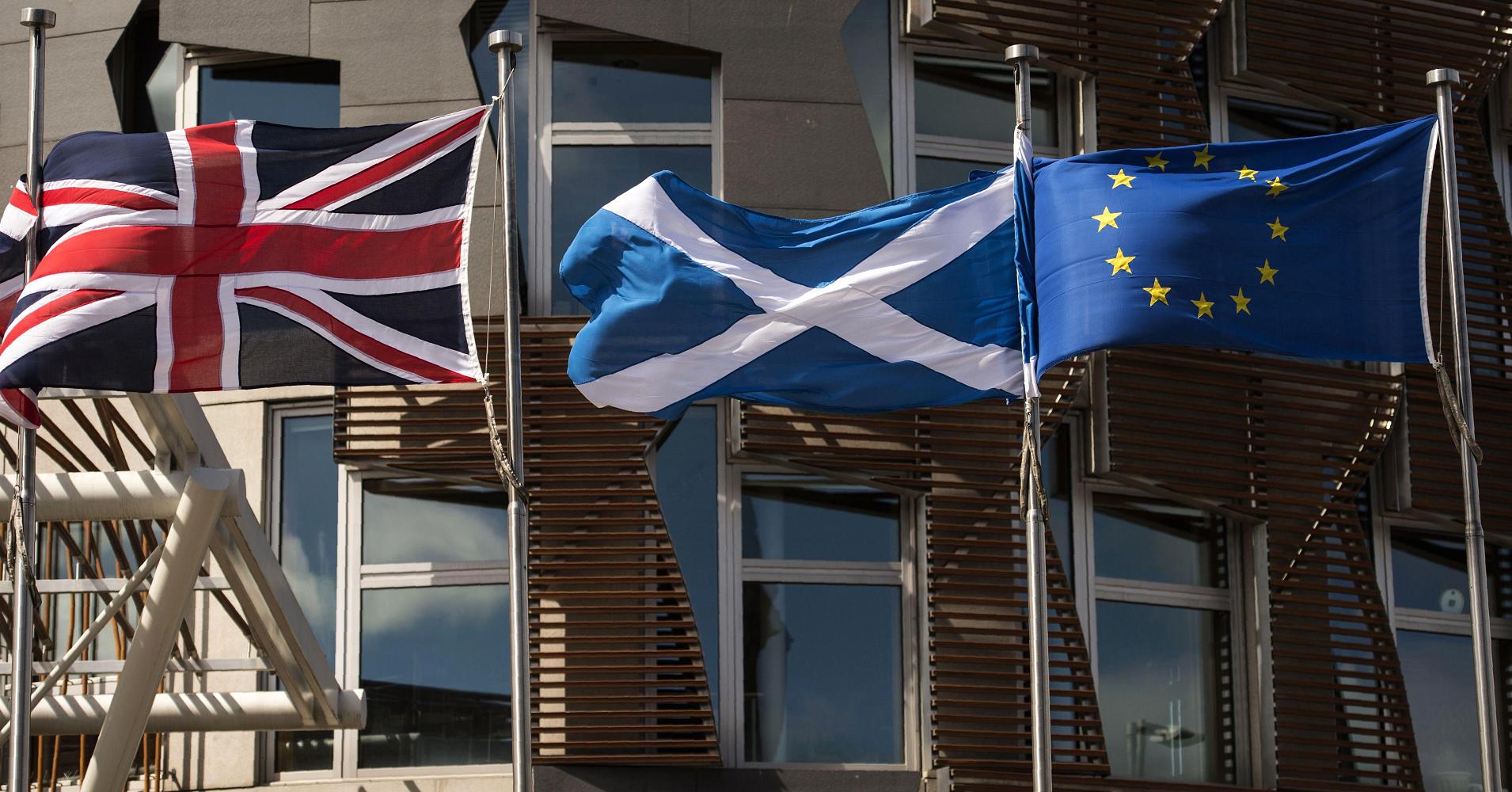
May’s careful wording did not eliminate the possibility of an independence referendum outright, just ruled out the proposed timing. The last time the Scots voted on whether to remain as part of the U.K., the majority, 55 percent, opted to within the union.
May’s stance was supported by her Conservative party colleagues in Scotland as well as the Scottish Labour and Scottish Liberal Democrat parties. The Scottish Greens party, however, rebelled against the notion of a “Westminster government that Scotland did not elect” vetoing a decision of Scotland’s elected parliament, claiming that such a high-handed approach would only bolster support for independence.
Meanwhile, former Scottish first minister, Alex Salmond, warned that the Scottish Nationalists could abandon their previous proposals for maintaining a currency union with the U.K., in an interview with U.K. broadsheet the Financial Times on Friday.
This will be one of the key issues in a new referendum, George Buckley, co-head of European economics posited in a note to clients on Friday.
“Given that demands for the referendum have been brought about by Brexit, currency issues are likely to play an important role in any future debate on independence in the event a referendum is called. Oil prices could also be an important factor in deciding the vote given their sizable effect on Scotland’s finances,” he wrote.
“For the wider U.K., a referendum would inject more political uncertainty which could further undermine sterling, raise inflation, and thereby cause slower growth in consumer and business investment spending.”






