

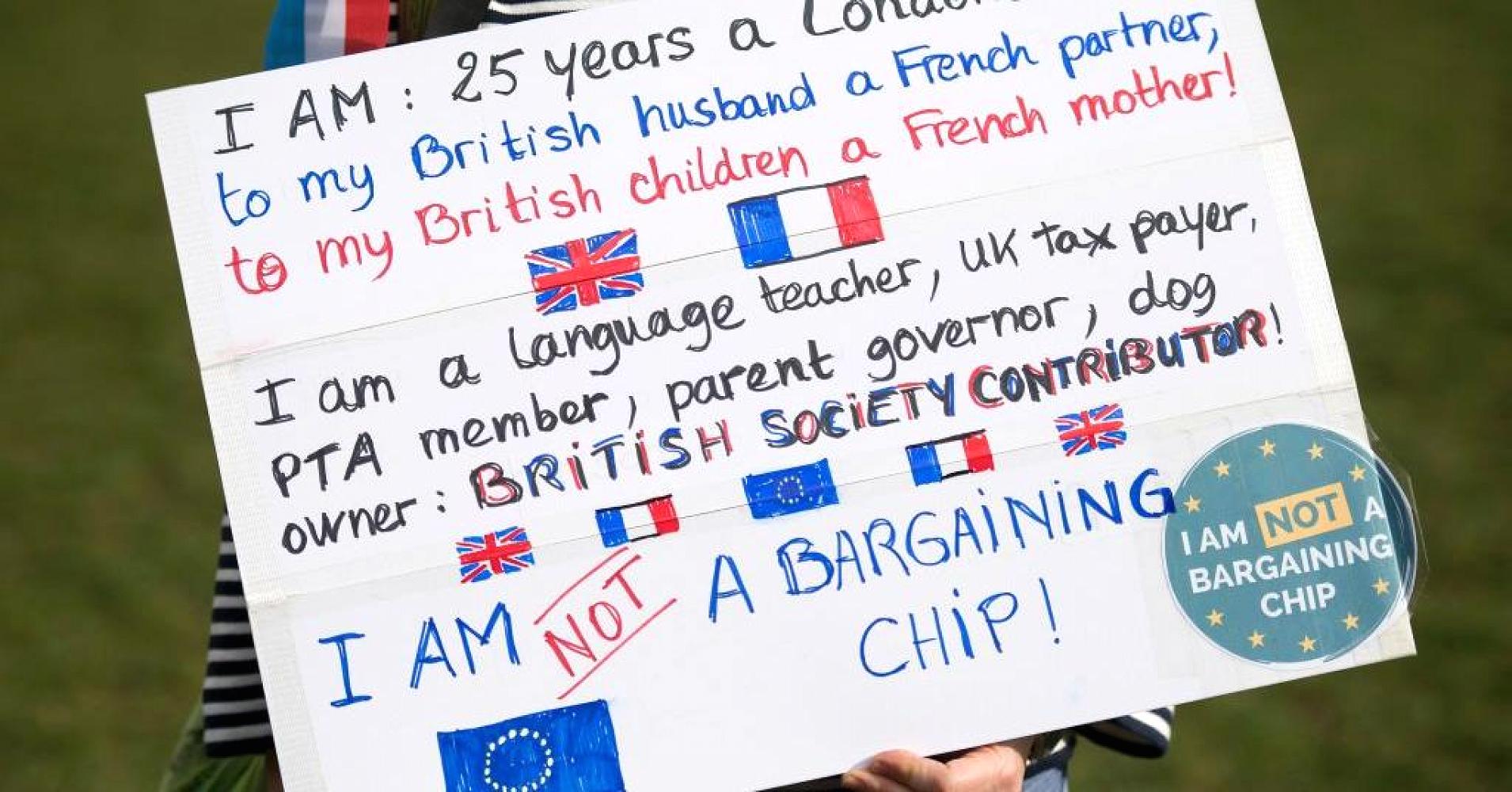
Complex talks to prepare the U.K.’s departure from the European Union could begin this week with lawmakers expected to finish debating a bill that would give Prime Minister Theresa May permission to formally start the Brexit process.
The government has previously stated that May would trigger Article 50 by the end of the month, but a so-called Brexit bill could complete its final stages if both Houses of Parliament on Monday, leading to speculation that the formal announcement could be made as early as Tuesday.
Once this happens, London and Brussels have only two years to negotiate how the U.K. is leaving the bloc and what their future relationship will be. Lawmakers have told CNBC they are concerned that the two years will not be enough to agree on all the details.
“We’ve got something like 14 months (to negotiate),” Seb Dance, a Labour member of the European Parliament, told CNBC last week via telephone
Apart from the complex technicalities that the process involves, the slew of elections in key member states this year could derail Brexit given that these countries will likely prefer to spend their time focused on their domestic battles.
“France and Germany will be focused on domestic policies and it’s not a very popular message ‘I’m going to give concessions to the U.K.,'” Dance added.
Above all, it seems that Brexit isn’t starting on the best footing. There have been reports that the European Commission – which negotiates on behalf of the other 27 countries – wants the U.K. to pay a 60 billion euro ($63.64 billion) bill to leave the bloc.
The money is expected to be used to pay for the pensions of U.K. citizens who work in the European institutions, for the relocation costs of certain European authorities out of London, and for projects in the U.K. that have already seen funding approved by the EU. However, some U.K. lawmakers have said there’s no way the U.K. will pay such an exit bill.
There are also divergent views between Brussels and London on how the negotiations should take place: The European Commission wants to discuss how the U.K. will leave the EU and then how they can work together in the future, but Theresa May wants both points to be discussed in parallel.
Furthermore, it seems that European officials are still in disbelief regarding the U.K.’s decision. President Jean-Claude Juncker of the European Commission said last week that he believes the U.K. will rejoin the EU in the future.






