

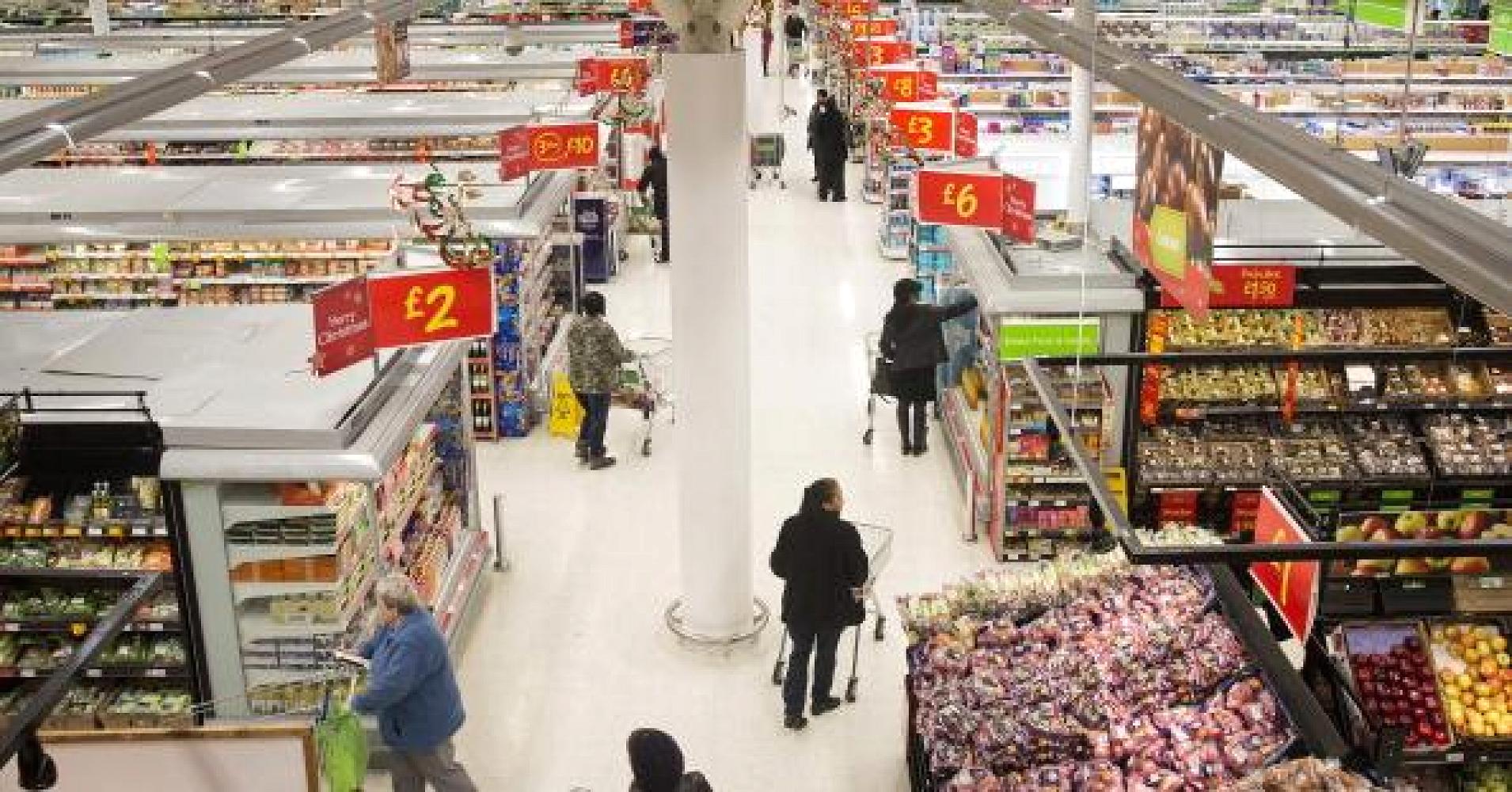
“The latest rise in CPI was mainly due to rising petrol and diesel prices, along with a significant slowdown in the fall in food prices,” ONS statistician Mike Prestwood said.
The pound’s fall – it is down about 17 percent against the U.S. dollar and 11 percent against the euro since the June 2016 referendum – is starting to hit the spending power of consumers, who have helped the British economy to grow since the vote.
Last week BoE rate-setter Kristin Forbes said she was beginning to become uncomfortable with the central bank’s commitment to a neutral policy stance, arguing instead that interest rates could need to rise soon if price pressures continue to build.
Retail price inflation – tracked by British inflation-linked government bonds and many commercial contracts – also rose to its highest since June 2014 at 2.6 percent.
Excluding oil prices and other volatile components such as food, core consumer price inflation held steady at 1.6 percent, confounding economists’ expectations for a rise to 1.8 percent.
Data on factory gate prices underscored the inflationary pressures in the pipeline. Output prices rose 3.5 percent on the year, the biggest increase since January 2012, compared with forecasts of a 3.2 percent increase.
The ONS also released figures for December house prices, which showed an 7.2 percent annual rise across the United Kingdom as a whole compared with a 6.1 percent increase in November.
Prices in London alone rose 7.5 percent on the year.






