
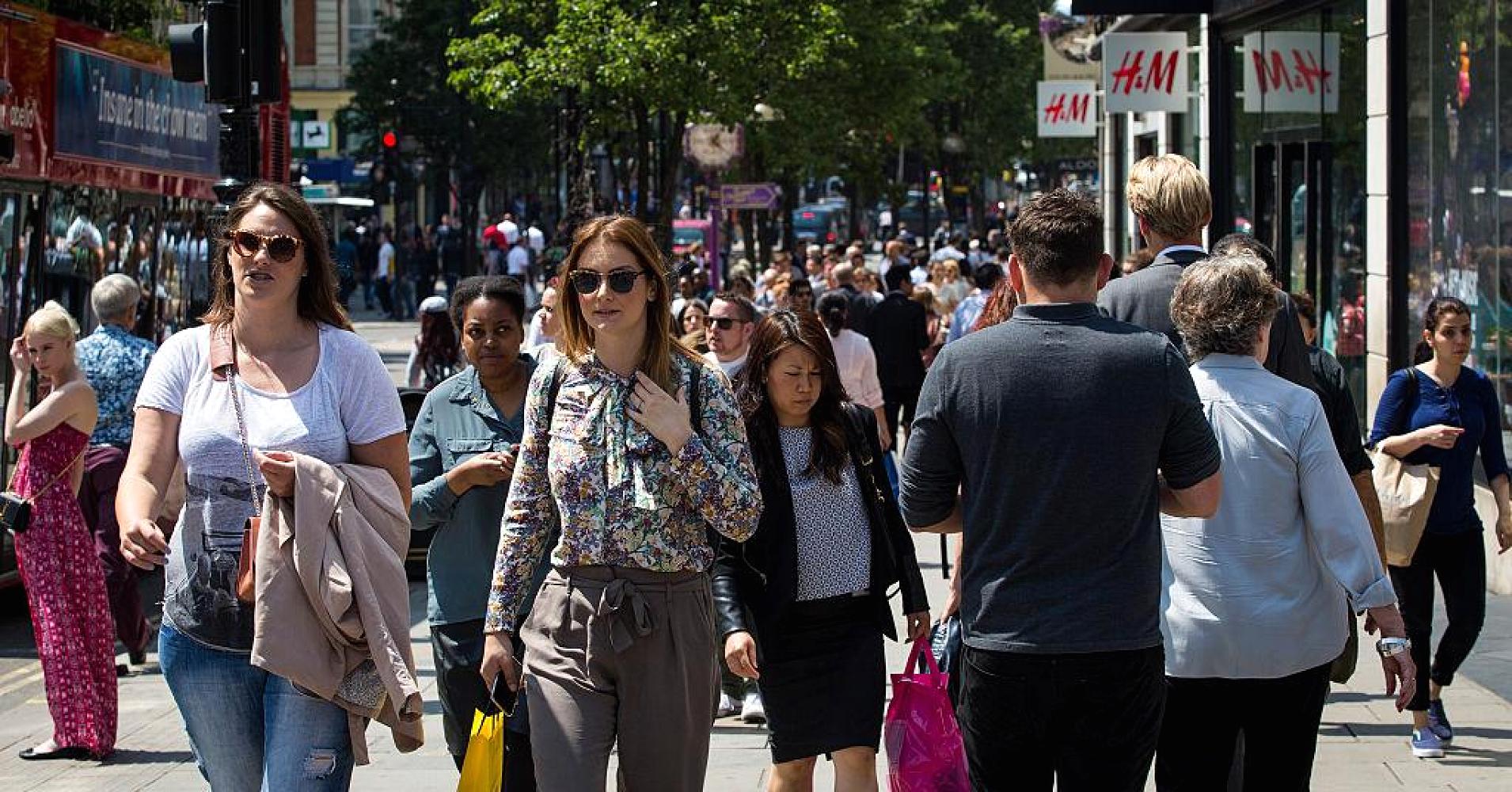
Rising inflation has squeezed household incomes this year, causing spending and broader economic growth to slow, as wages have failed to keep pace with the rising cost of living.
Sterling has fallen 14 percent since the referendum against a trade-weighted basket of major currencies such as the U.S. dollar and the euro and the BoE has said this is why inflation is above its 2 percent target.
An ONS measure of core consumer price inflation – which strips out changes in the price of energy, food, alcohol and tobacco – held steady at 2.4 percent compared with economists’ expectations for it to rise to 2.5 percent.
Factory gate price inflation slowed slightly less than expected, dropping to 3.2 percent compared with forecasts of 3.1 percent.
The BoE expects CPI will only fall slowly, and to remain above its 2 percent target for the next three years, based on its experience of a previous fall in sterling 10 years ago at the start of the financial crisis.
The ONS also released figures for house prices in June, which showed a 4.9 percent annual rise across the United Kingdom as a whole compared with 5.0 percent in May, the weakest increase since March. Prices in London alone grew by 2.9 percent.