

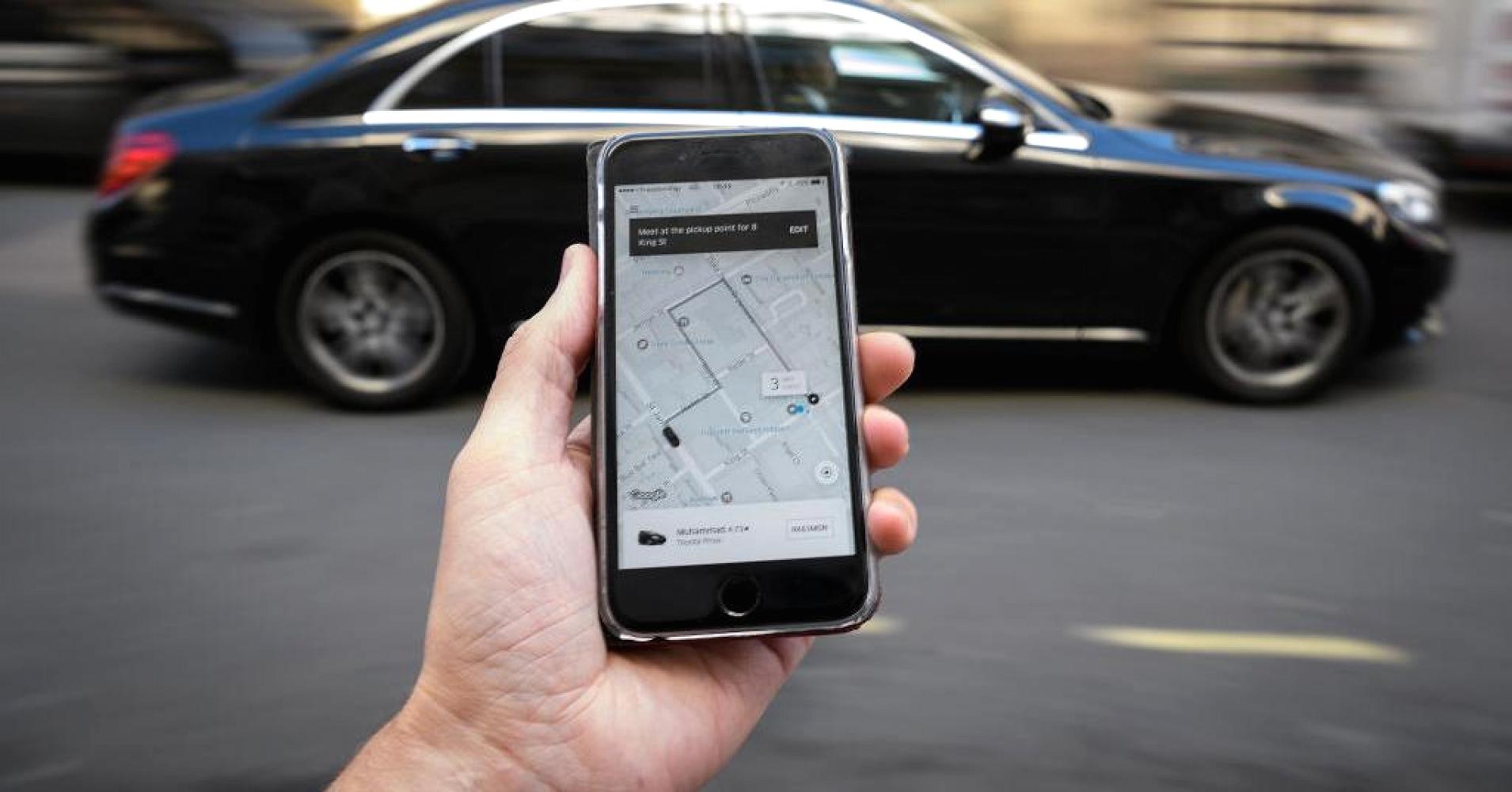
The appeal follows a case in October 2016 in which two Uber drivers argued to a U.K. employment tribunal that their actions were controlled by the ride hailing firm and therefore they should be treated as workers rather than contractors. This would entitle them to benefits such as a minimum wage.
The employment tribunal sided with the two drivers, James Farrar and Yaseen Aslam.
In the judgment, Judge Anthony Snelson said that it is “unreal to deny that Uber is in business as a supplier of transportation services.”
What is Uber arguing?
Uber says that it is no different from traditional taxi firms that have self-employed drivers. The San Francisco-based company says that its drivers have a choice on when to work and that makes them self-employed.
“Almost all taxi and private hire drivers have been self-employed for decades before our app existed. With Uber, drivers have more control and are totally free to choose if, when and where they drive with no shifts or minimum hours. The overwhelming majority of drivers say they want to keep the freedom of being their own boss,” an Uber spokesperson told CNBC in a statement Wednesday.
“Last year, drivers using our app made average fares of £15 per hour after our service fee. We’ve recently invested in a number of changes, including discounted illness and injury cover, paid waiting time and the ability to cash out fares at any time.”
The employment tribunal, however, countered that it’s implausible that each individual driver on Uber’s platform is a small business.
“The notion that Uber in London is a mosaic of 30,000 small businesses linked by a common ‘platform’ is to our minds faintly ridiculous,” Snelson said in the October ruling.






