

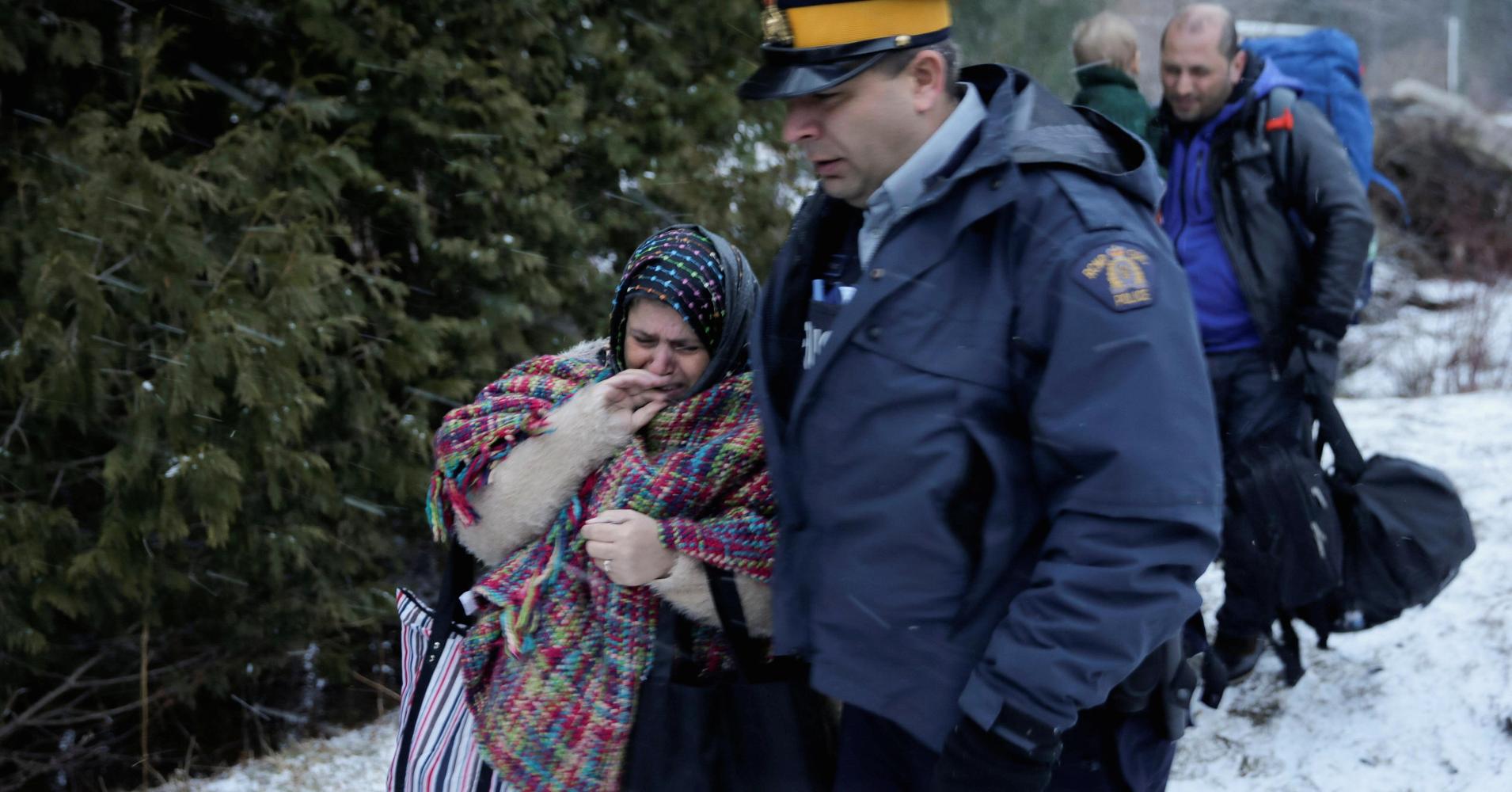
But the administration’s memo, signed by Secretary of State Rex Tillerson, acting Department of Homeland Security Secretary Elaine Duke and Director of National Intelligence Dan Coats, said the government will reallocate resources used to process refugees from SAO countries to those from other locations where “the processing may not be as resource intensive.”
Refugees International, an advocacy group, said the decision amounted to “a new and near-total ban on admission of refugees from 11 nationality groups.” Citizens of the 11 countries comprised 44 percent of the nearly 54,000 refugees admitted into the United States in the 2017 fiscal year, according to State Department data.
Of the countries, Iraq, Syria, Somalia and Iran sent by far the most refugees to the United States.
All but two of the countries, North Korea and South Sudan, are majority Muslim, though many of the refugees that come from those countries are religious minorities in their own states.
Of nearly 2,600 Iranian refugees resettled in the United States last year, for instance, a majority were Christian, according to State Department data. The “follow-to-join” refugee program being put on hold allows refugees who have entered the United States to apply for close family members to join them.
About 2,000 such refugee family members came to the United States in 2015, according to DHS data.
In a separate State Department memo seen by Reuters and issued this week, the administration also laid out additional screening for all refugees seeking admission into the United States, including details of their whereabouts going back a decade, twice as long as before. Refugees will also have to provide more detailed information about their family members.
The new requirements could put an additional burden on refugees fleeing war, famine or ethnic cleansing, whose lives have often been upended and whose family members may be scattered across the world, refugee advocates said.






