
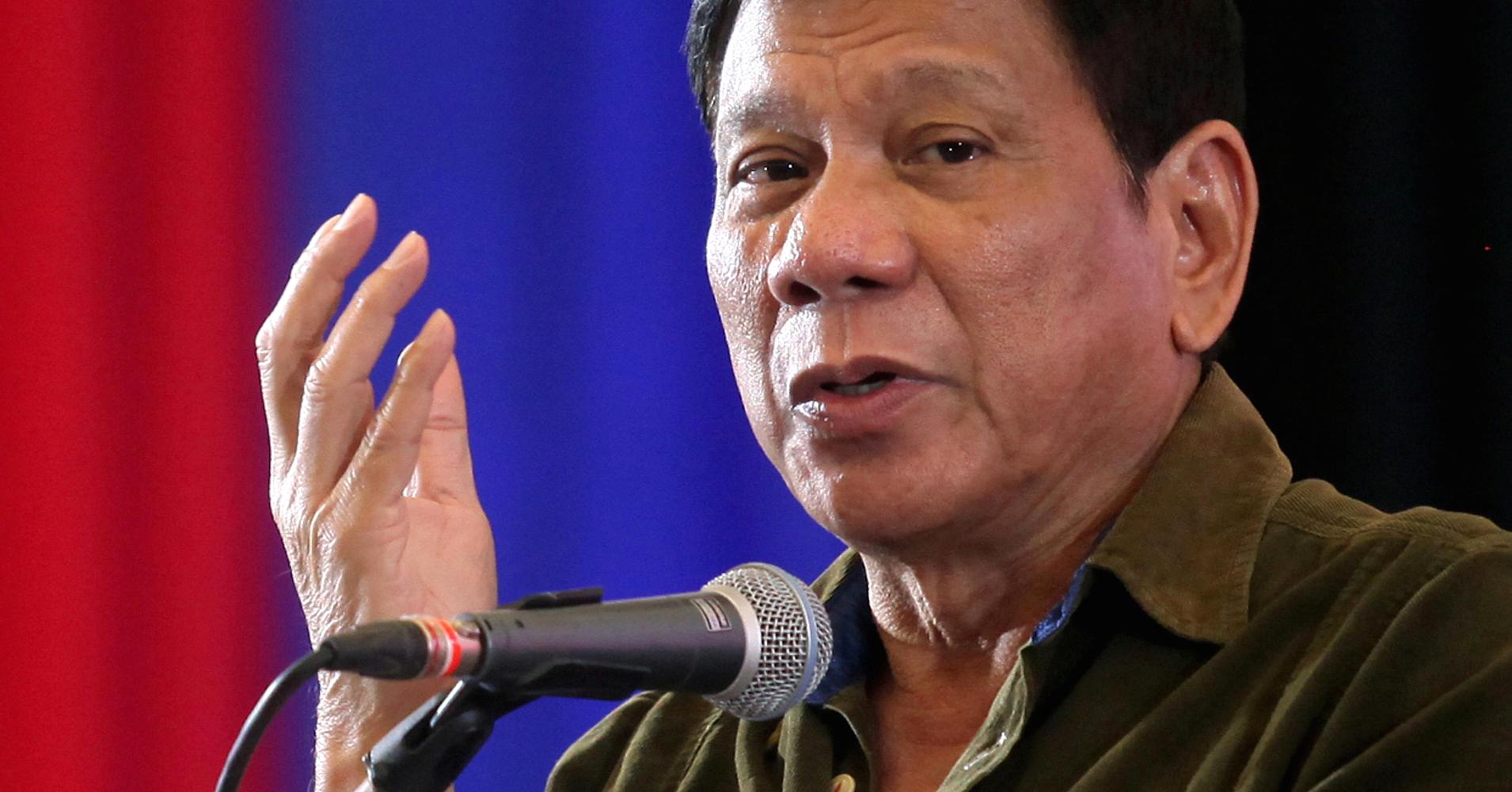
Trump’s willingness to specifically condone Duterte’s drug war — something condemned by much of the rest of the world — is in keeping with a broader part of the president’s foreign policy.
Take Sisi, who has imprisoned tens of thousands of dissidents since he took power and overseen a broad campaign of serious human rights abuses like torture, mass detention, and forced disappearances of journalists, aid workers, activists, students, and Islamists. In one particularly gruesome incident, a 28-year-old
Sisi has said the measures were justified to fight Islamist terrorists in his country. But as my colleague Jennifer Williams notes:
Sisi has violently cracked down on all forms of dissent and turned Egypt into a police state arguably worse than anything seen under former President Hosni Mubarak, who was toppled in 2011 after 30 years in power. And for all of that, Sisi hasn’t actually done a very good job of fighting terrorism.
Regardless, Trump didn’t use his Oval Office visit with Sisi — an honor Obama
“We will do that together,”
Or take Turkish President Recep Tayyip Erdoğan, who narrowly won a vote last month over a referendum that gave him vast new powers while eviscerating the parliament and judiciary — the two institutions that stood as the last checks and balances against his increasingly autocratic rule.
European leaders stayed mostly silent about Erdoğan’s win. International
As I wrote at the time, it’s possible Trump may not have understood the magnitude of what just took place in one of Washington’s most important allies. The likelier scenario is that Trump understood exactly what Erdoğan had just accomplished in bringing his country closer to autocracy