
Now a new opportunity has arisen from the inchoate coalition of the United States, Israel and Sunni Arab leaders, largely arising from their shared view of Iran as a growing national security threat.
Senior Saudi officials expressed optimism over the success of Trump’s unconventional approach and point to the 2002 Arab Peace initiative as the start of the solution.
“We are in the forefront of pushing for peace in the Middle East,” said one Saudi official. “We will work with the administration and other regional partners to ensure that we have significant progress.”
Saudi Foreign Minister Adel al-Jubeir said in a joint press conference with Tillerson on Saturday, “We believe [President Trump] has the strength and the decisiveness, and the Kingdom of Saudi Arabia stands prepared to work with the United States in order to bring about peace between Israelis and Palestinians and Israelis and Arabs.”
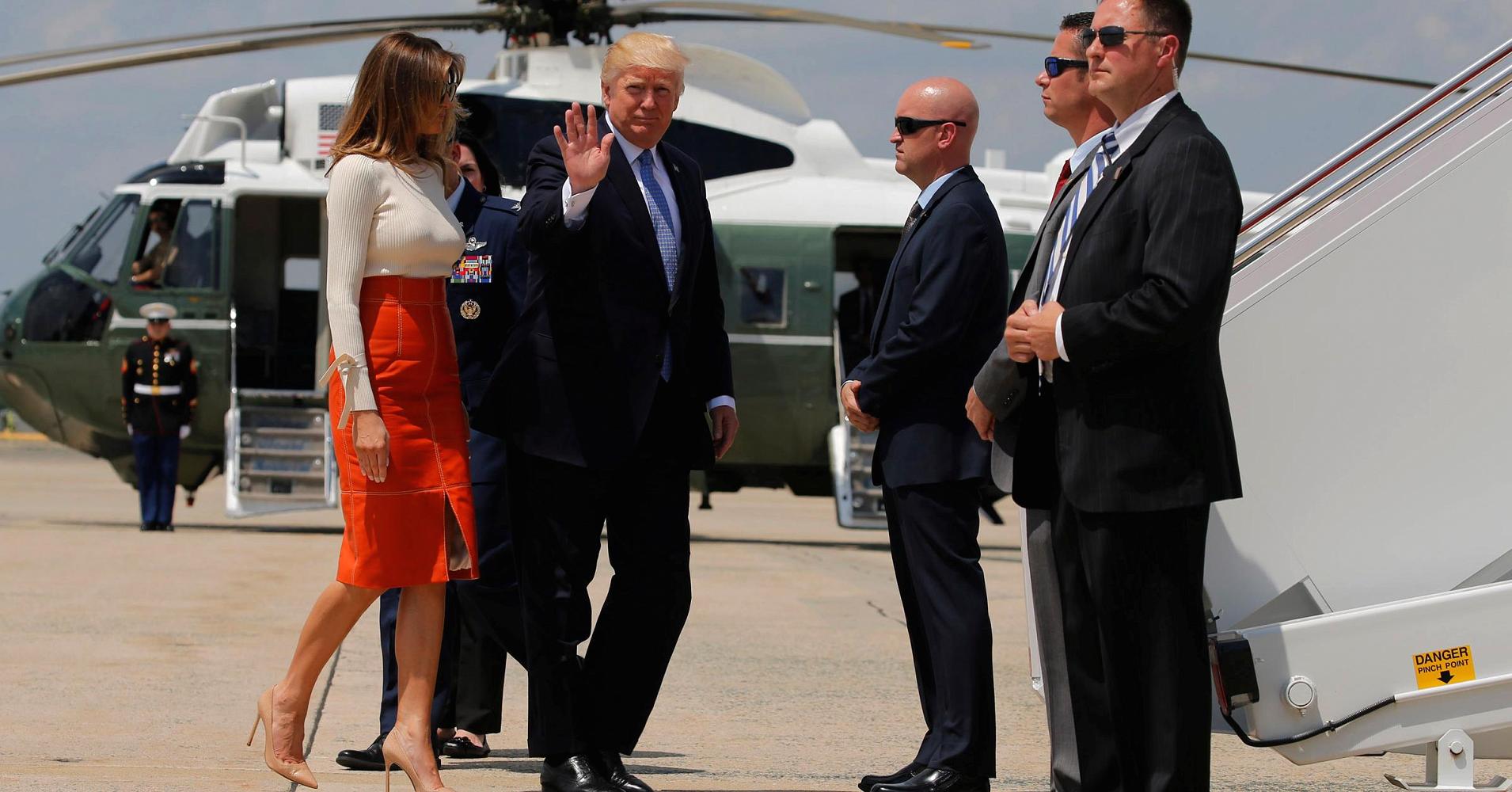
Trump himself told Muslim leaders in Riyadh on Sunday in his address to the Islamic world that he would be meeting in the next couple of days with both Netanyahu and Abbas and that peace was attainable.
Adding to the potential for success, both Netanyahu and Abbas are facing tough political pressure back home and have reason to stay engaged with Trump if only to maintain their relevance on the international stage.
But many of the historical sticking points remain and there is still a long way to go.
Whatever controversies happened last week, this much is certain. Publicly, the U.S. and Israel will try to put on their best faces during Trump’s stay.
“Mr. President, we look forward to your visit,” Netanyahu said Sunday in his cabinet address. “The citizens of Israel will receive you with open arms.”
More from NBC News:
Trump’s Israel Visit: Major Security in Jerusalem, Bethlehem
Trump Tells Muslim Leaders: ‘Drive Out’ the Terrorists
NBC’s Bill Neely Trump Trip Notebook: So Long, Saudi Arabia