
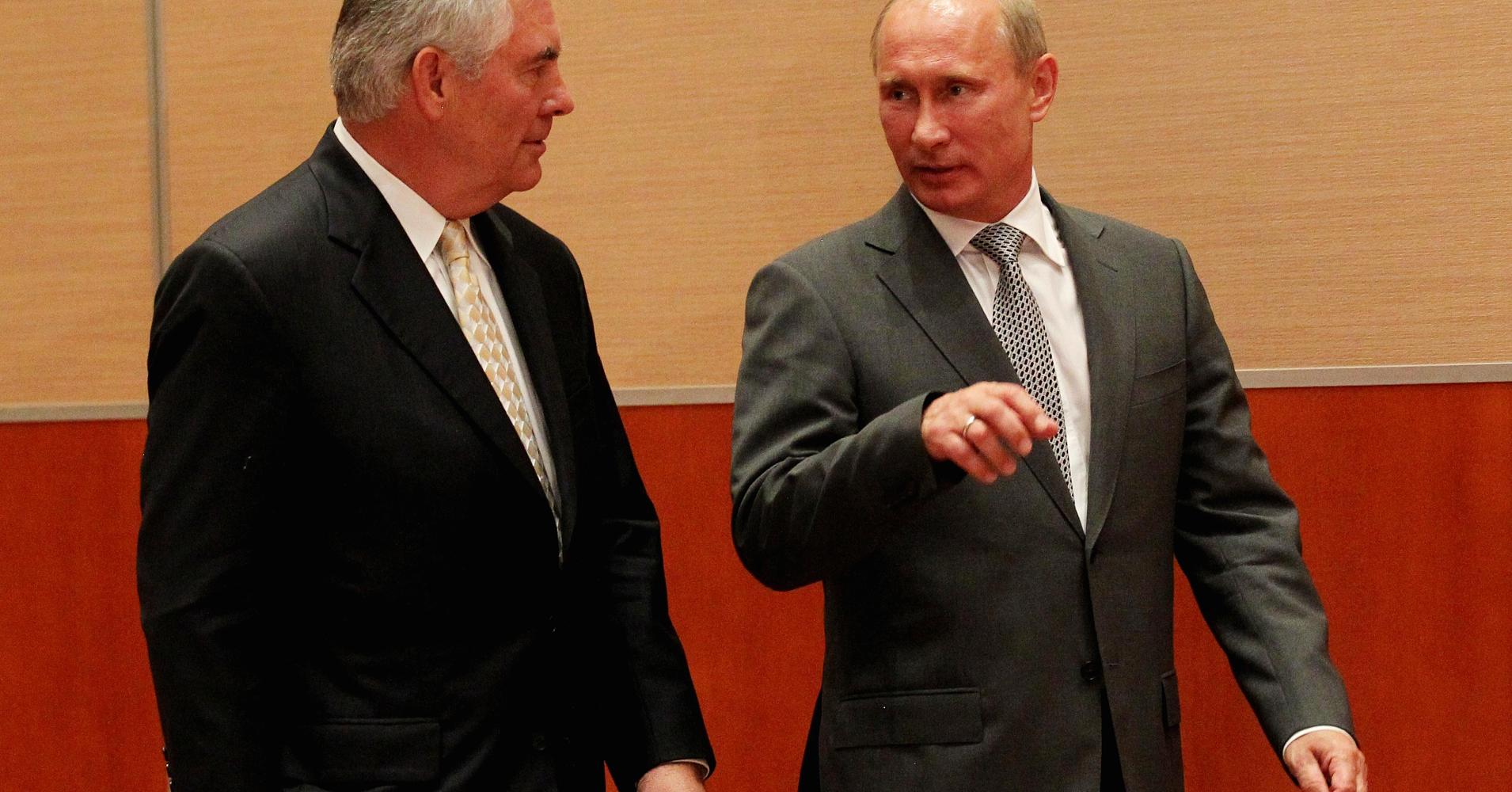
Exxon and Russian oil giant Rosneft entered a joint venture in 2012 to develop offshore reserves in the Arctic Kara Sea and the Black Sea, as well as onshore assets in Siberia. Those deals, which represent a big part of Exxon’s potential future production growth, were halted by U.S. sanctions.
Exxon said in a filing after the sanctions were put in place that its “maximum before-tax exposure to loss from these joint ventures” totaled $1 billion through the end of 2015.
Exxon is concerned that European competitors still operating in Russia will gain an advantage in the Black Sea, a source briefed on its waiver application told the Wall Street Journal this week. The company also faces a contractual deadline to make an oil discovery there by the end of the year, the paper reported.
The news of Exxon’s effort to re-enter Russia drew swift criticism from both sides of the aisle.
Sen. John McCain, Republican chairman of the Senate Armed Services Committee, linked to the Journal story on Exxon’s waiver application in a tweet and asked, “Are they crazy?”
In a statement to CNBC on Friday, Sen. Marco Rubio said, “While a waiver to allow business with prohibited Russian entities may be in Exxon-Mobil’s interest, it would clearly not be in America’s national security interest.”
Sen. Ben Cardin, the ranking Democrat on the Senate Foreign Relations Committee, on Friday said the deals that Exxon sought “would put money in the pockets of Russian oligarchs and the Russian treasury, guaranteed to be used against America, our interests, and our allies.”