

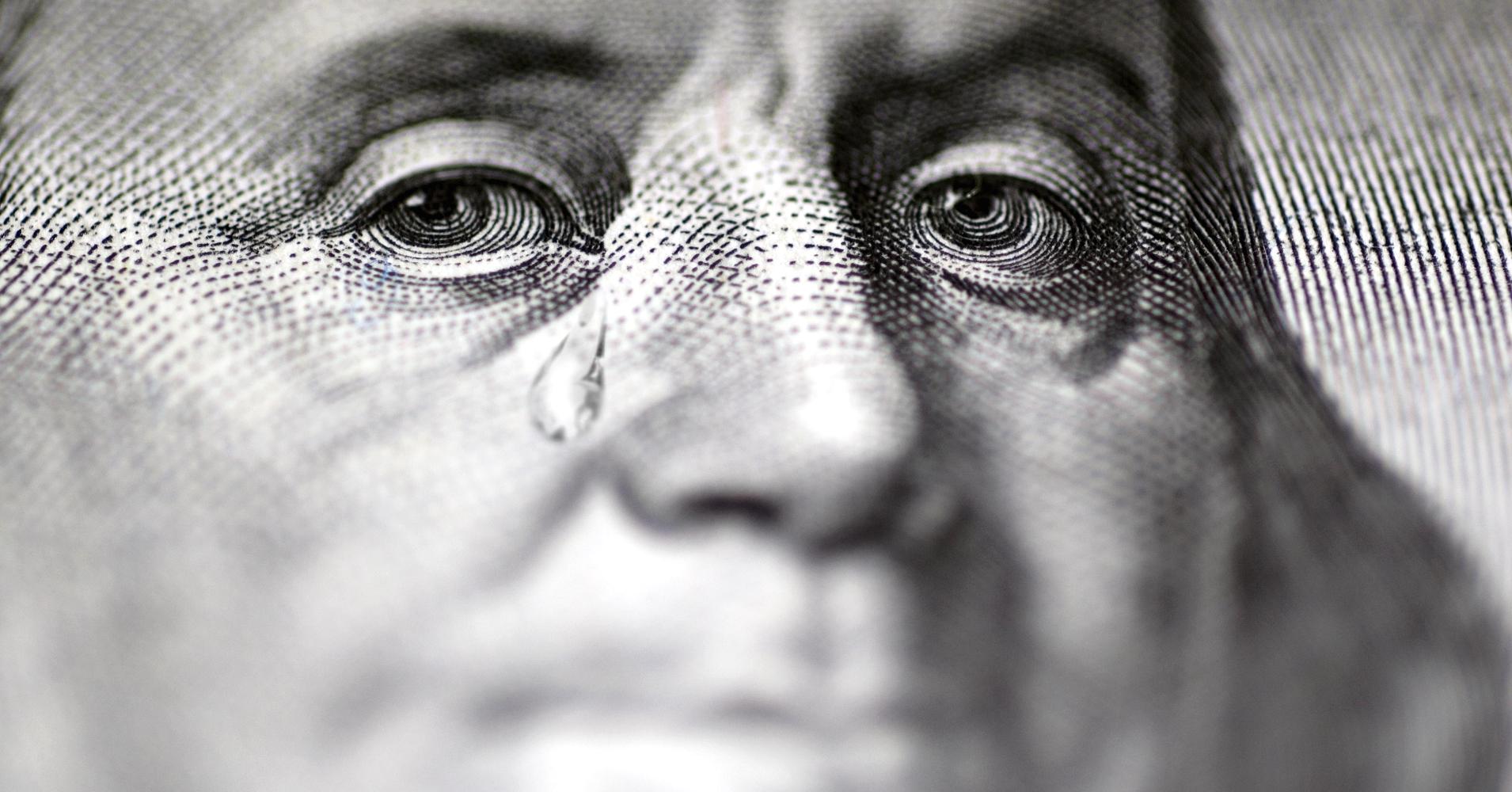
The dollar index had already lost a half percent in the week running up to the Fed meeting, after the European Central Bank reportedly discussed at its March 9 meeting whether it could raise interest rates before ending its “quantitative easing” bond buying program. That raises the potential that the ECB, which has been easing policy, may ultimately move alongside the U.S. Federal Reserve to raise rates, putting the euro more in competition with the dollar.
“I think it’s [the dollar] actually pretty well tracking interest rate differentials. Not only have U.S. rates come off a little, but euro zone rates surprisingly picked up, and I think that’s what’s driving that narrowing differential,” said Robert Sinche, chief global foreign exchange strategist at Amherst Pierpont.
Schlossberg said the dollar is also reacting to the fact that no big breakthroughs have been made to move ahead the Trump fiscal agenda, particularly tax reform. The dollar had moved higher in anticipation that President Donald Trump, along with a Republican congress, could move quickly on de-regulation, stimulus spending and tax cuts for corporations and individuals. But the process has been slowed down by the efforts to repeal and replace Obamacare.
“The dollar’s in this sort of no man’s land. If the price action is not confirming the fundamentals, you always trust the price action, because there’s something bigger the market is seeing that everyone else is missing,” Schlossberg said. He said what the dollar is weighing could be a stock market sell off or a more sluggish economy.






