
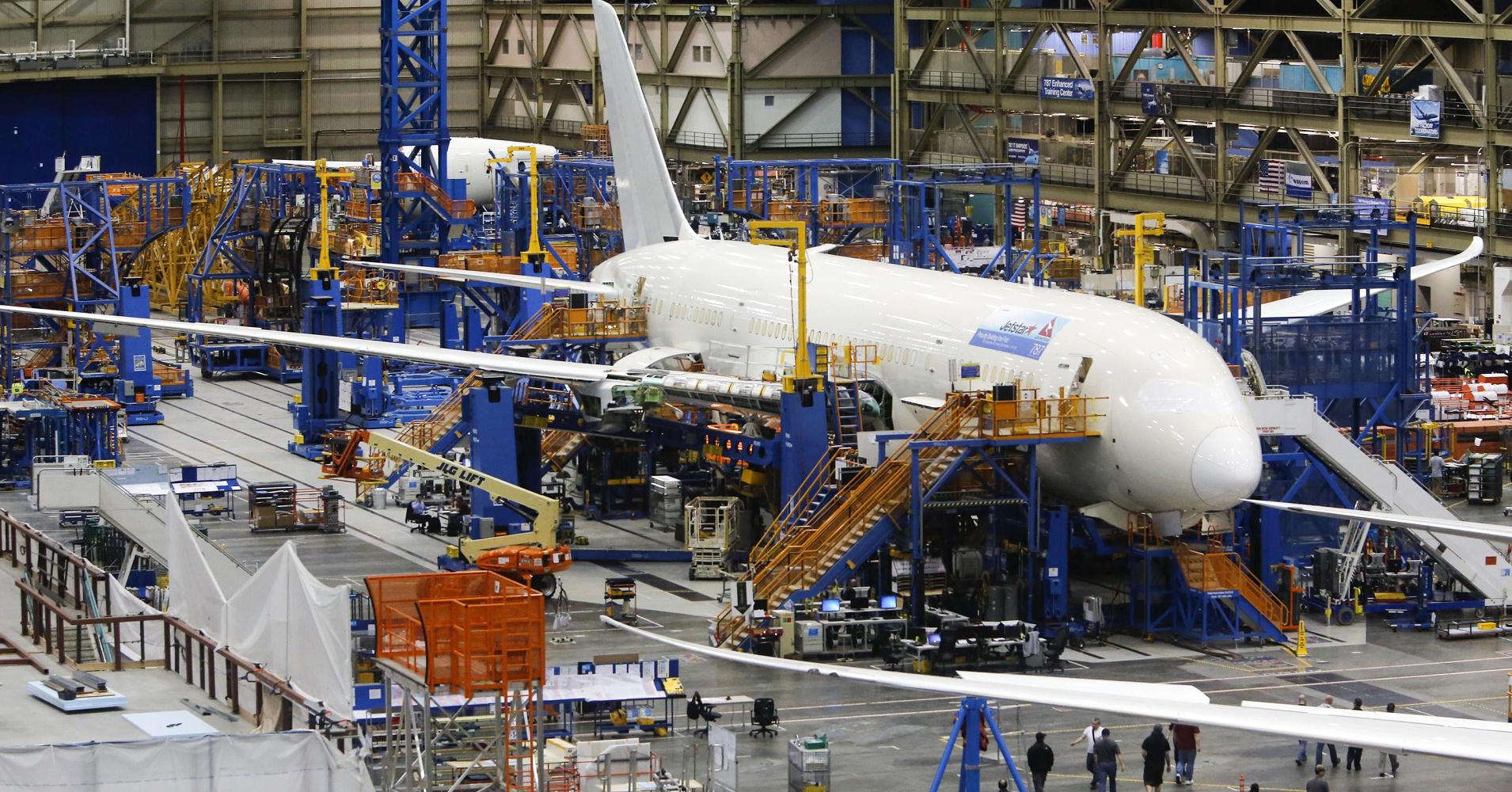
Among the most vulnerable dependent: Washington, which sold roughly a quarter of its exports to China last year, or nearly $19 billion worth of goods. Airplanes, the state’s largest export by far, made up the bulk of the state’s sales to China.
California exports some $16 billion to mainland China, with computers and electronics accounting for more than a quarter of the total. Texas was the third-largest exporter to China, with more than $11 billion worth of products that included chemicals,
Alaska, which exports a smaller volume of goods, sends $1.5 billion worth of its exports — a quarter of its total — to China. Roughly half of that consists of seafood.
U.S. farm states are also big exporters to China, which is the biggest single market for American agricultural products. Some 20 percent of all U.S. farm exports are sold to China, which bought $30 billion worth of food and other farm products in
While the trade stakes are high, most observers see Thursday’s meeting as just the opening round in a series of bilateral talks, with little in the way of concrete immediate policy pronouncements.
For one thing, the Trump administration remains short-handed. The nominees for both trade representative, Robert Lighthizer, and ambassador to China, Iowa Gov. Terry Branstad, have yet to be confirmed. Several key State Department posts related to Asian policy are also still vacant.
Even with a full team in place, diplomatic experts say, the initial meeting between the leaders of the world’s two most powerful nations will be about raising tough issues, not resolving them.
“They’re not going to be solved at this meeting,” Stapleton Roy, former U.S. ambassador to China, told CNBC. “I think what they need to do is to get the issues out in front of them. And then agree between the two leaders that these need to have a process that will produce a positive outcome.”
Watch: Trade war won’t help US or china