
The United States and South Korea also hold larger war games in the spring, called Key Resolve and Foal Eagle, which involve live-fire exercises and training with tanks, aircraft and warships.
There’s media speculation that the allies might try to keep this year’s drills low-key by not dispatching long-range bombers and other U.S. strategic assets to the region. But that possibility worries some, who say it would send the wrong message to both North Korea and the South, where there are fears that the North’s advancing nuclear capabilities may eventually undermine a decades-long alliance with the United States.
“If anything, the joint exercises must be strengthened,” Cheon Seongwhun, who served as a national security adviser to former conservative South Korean President Park Geun-hye, said in an interview.
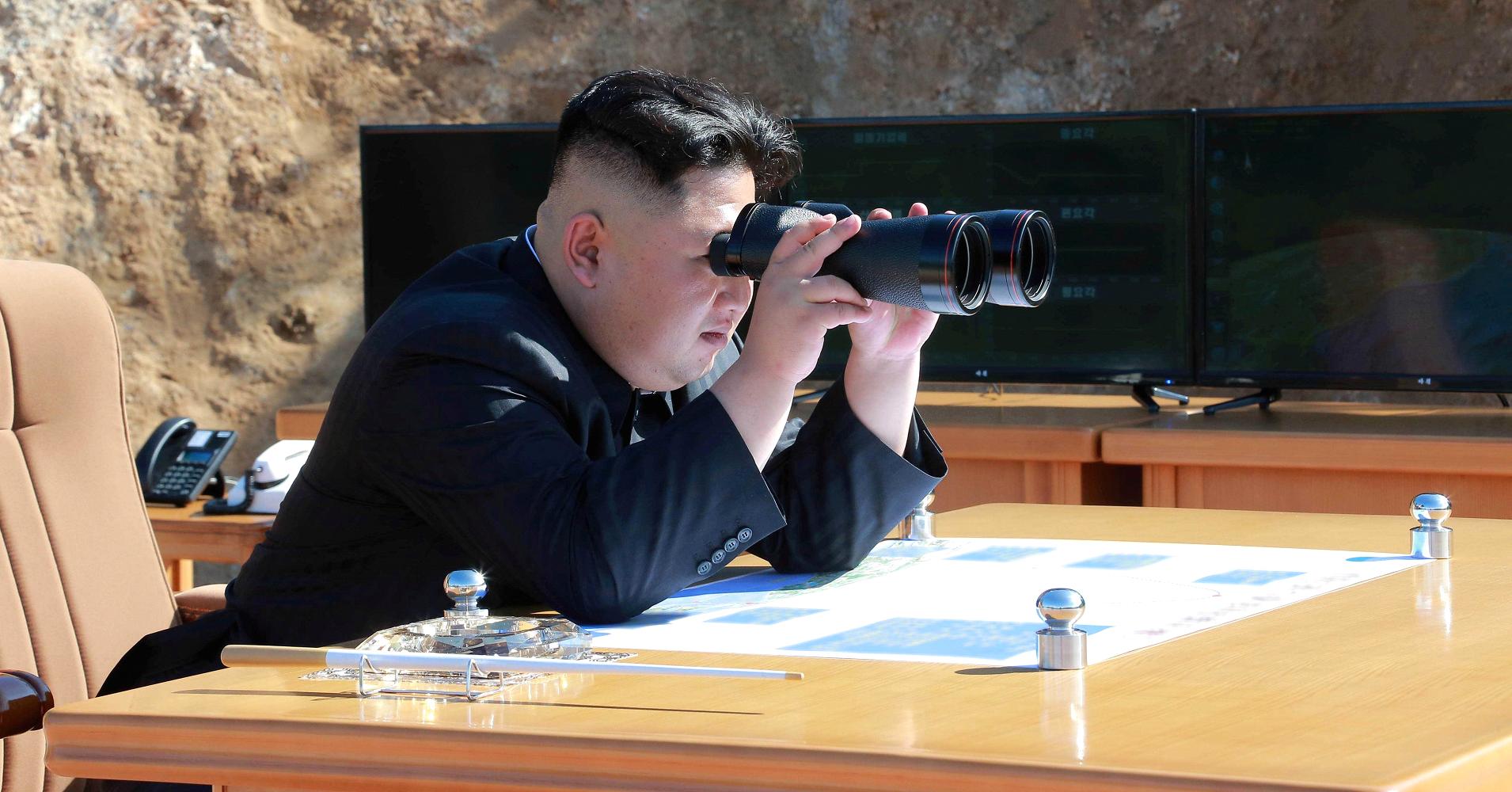
Impoverished North Korea hates the drills in part because it must frequently respond with its own expensive displays of military might.
During last year’s drills, the North successfully test-fired for the first time a submarine-launched ballistic missile ruler Kim Jong Un then praised as the “success of all successes.” Shortly after the drills, the North carried out its fifth and biggest nuclear test, which it claimed was of a “standardized” warhead that could fit on a variety of its rockets.
During this year’s war games in March, North Korea launched four extended-range Scud missiles into the sea in what it described as a rehearsal for striking U.S. military bases in Japan.