
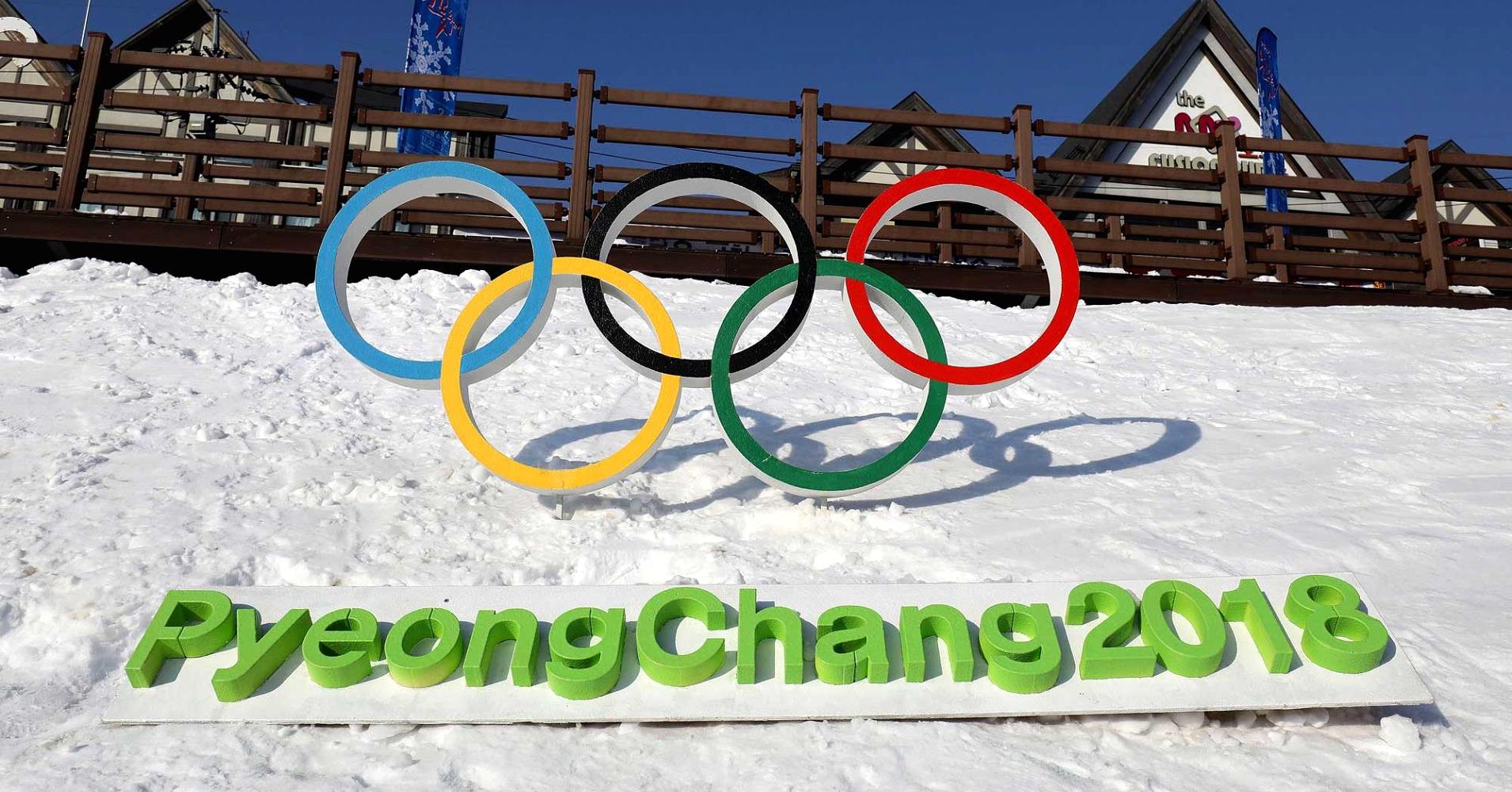
It took South Korea three attempts to bring the Winter Olympics to Pyeongchang after its capital Seoul hosted the summer games in 1988.
“In Asia, winter sports are relatively undeveloped,” said Kim Jin-sun, the former head of the Pyeongchang Winter Olympics organizing committee, after South Korea was named the host for the 2018 games.
“Our vision is very clear: New horizons, developing industries, building a hub of winter sports in Gangwon province,” said Kim, who stepped down from his position in 2014.
Budget overruns are common in the history of Olympics hosting and Pyeongchang has once again ignited the debate over the costs and benefits of organizing the games. The last host city to stick close to its budget was Salt Lake City, which spent $2.5 billion to put up the 2002 Winter Olympics — $100 million more than its initial projection, data compiled by CFR showed.
The maintenance of many Olympic facilities, post games, has also added to the spiraling costs. The failure of Rio to maintain and re-purpose its venues has left many of them abandoned as “white elephants” — a term used to describe unused Olympic infrastructure after the games.
The IOC has warned South Korea that it mustn’t go down that route. The country, in response, has drawn up post-games plans for most of its Olympic facilities.