

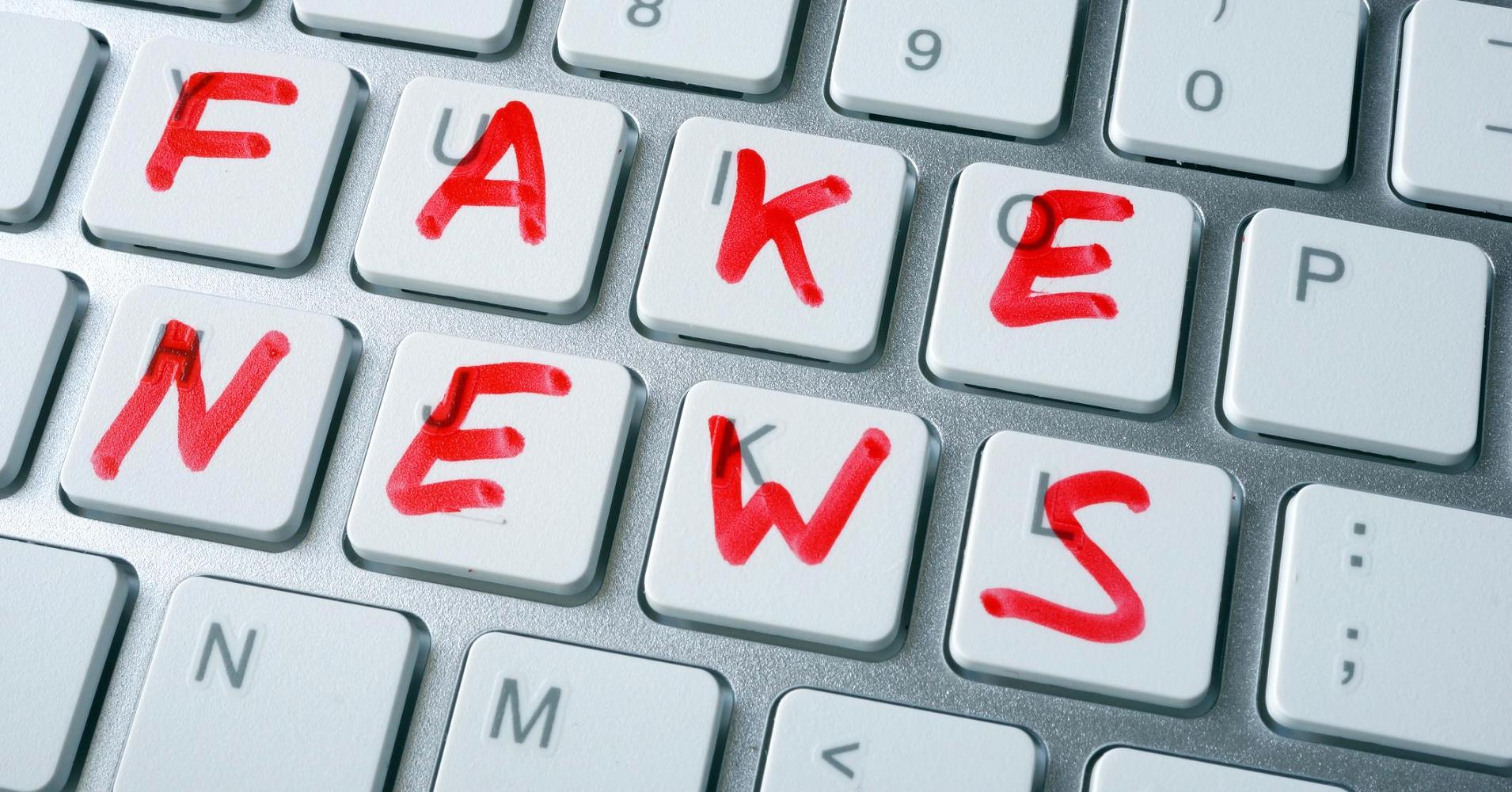
Jarvis said that the media, platforms such as Facebook and Google, the ad industry, PR practitioners and the public have a responsibility to tackle fake news, and he also urged advertisers to have a more personal relationship with consumers.
“The ad industry too has to reinvent itself and reinvent advertising. It has to move past reach to relationships. You have to understand how to have quality relationships with people, to know communities and to know and serve their needs and not just treat them as a mass to whom we are blasting messages.”
Jarvis said that platforms such as Facebook must do better at showing the sources of information appearing in people’s news feeds, citing the blue bar that appears on Guardian stories.
Facebook on fake news
Jarvis also interviewed Facebook’s EMEA director of media partnerships, Patrick Walker, at the event, asking him how the social network is tackling fake news.
“We take it very seriously. It’s a much bigger issue: there are a number of different parts of society that have a role to play and I appreciate that people’s reliance on Facebook for news as well as other information has increased dramatically.
“We appreciate that there are concerns about the spread of false information… We are focused on pure fraud and things that are intended to deceive, or for financial gain,” Walker said.
Facebook has created tools for users to report news they suspect is fake, and is also working with fact checking organizations in North America, France and the Netherlands to have people assess the accuracy of stories.
“We as an organization are not in a position, nor should we be, where we are the arbiters of what is true and what is not true. You have all these different shades as well for parity, opinion et cetera and so news organizations such as Le Monde and AFP [Agence France-Presse] take a look at what is coming through this [reporting] tool and assess whether or not it is fake, and if they did see it as fake, it would then be marked within Facebook as disputed,” he added.
People are then informed and can still choose whether to share something disputed, Walker said. “By informing people, even if they want to share it, they have a right to read it, they should know that there are alternative points of view.”
Facebook CEO Mark Zuckerberg said this week that the platform is against fake news, telling an audience at North Carolina A&T State University on Monday: “There have been some accusations that say that we actually want this kind of content on our service because it’s more content and people click on it, but that’s crap.
“No-one in our community wants fake information. We are also victims of this and we do not want it on our service. We don’t want any of it.”






