
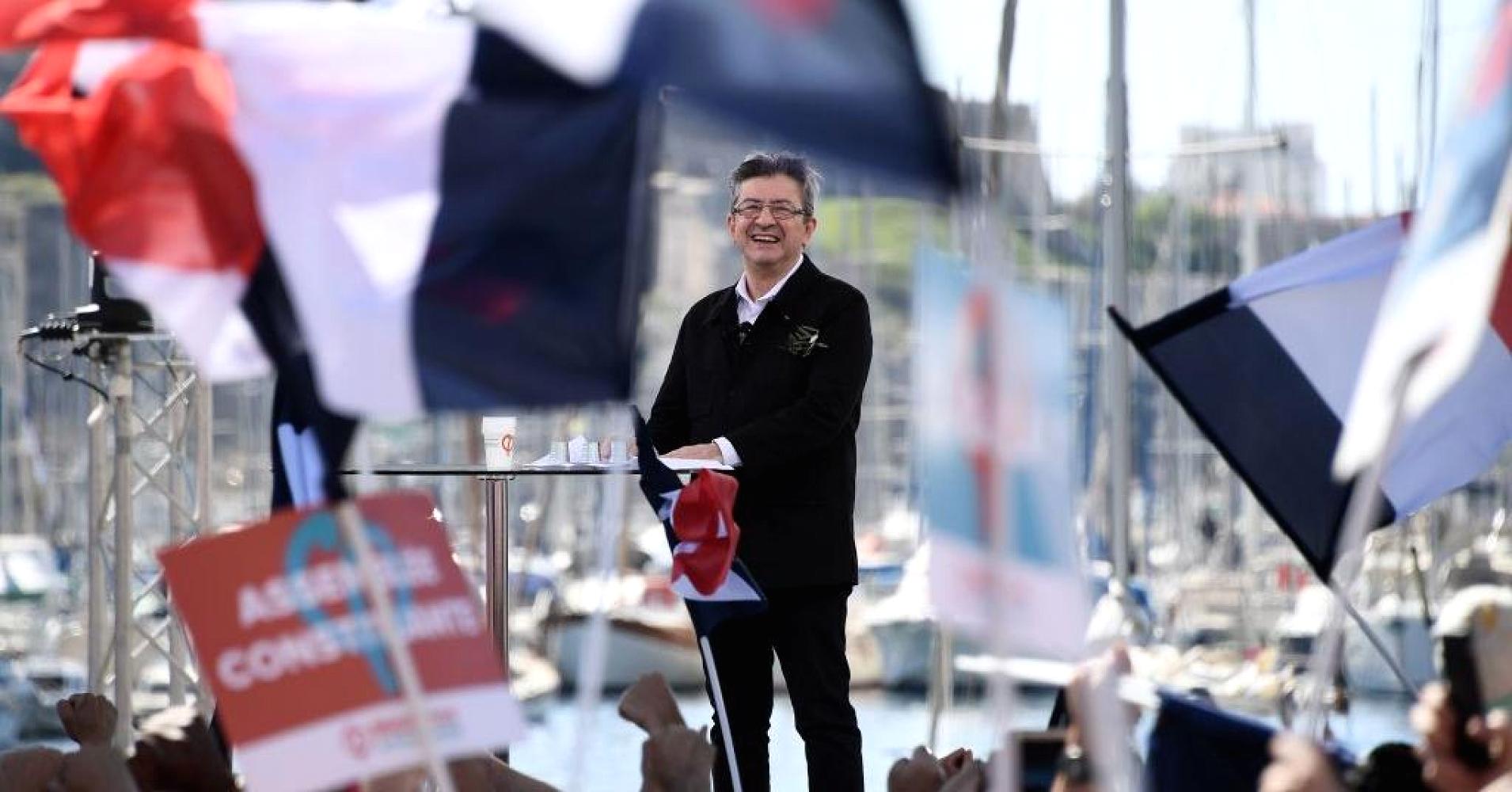
However, Melenchon needs to do more if he wants to be one of the candidates in the second and final round of voting in May.
“Melenchon’s surge also happened in 2012,” Deutsche Bank said in a note last Friday. Looking at his polling position in the month up to the election, “the similarity with the 2017 polls and momentum is striking.”
“If Mélenchon wants to have a chance to make it to the second round, he cannot rely on taking votes from Socialist (Benoit) Hamon anymore. He will have to adopt a different strategy and either aim to capture Le Pen’s voters or Macron’s voters or convince abstentionists to support him,” the bank added.
At the moment, surveys suggest that nearly 40 percent of the French electorate has yet to make up its mind. The indecision coupled with the expectation that this election will see higher abstention figures could aid extreme parties.
“In France, participation at the Presidential elections varied between 70 percent and over 85 percent in the past 40 years. The lowest participation at the first round occurred in 2002, when Jean-Marie Le Pen (father of Marine Le Pen) surprisingly qualified for the second round. Historically, low participation has increased the National Front results,” Deutsche Bank said.