
“The principal structure of governance based on ‘One Country, Two Systems’ has not been altered in Hong Kong. However, many of the population believe interference from the mainland authorities on the island’s political and legal affairs has grown in recent years, raising questions about the implementation of the principle,” said Guo Yu, principal China analyst at global risk consultancy Verisk Maplecroft.
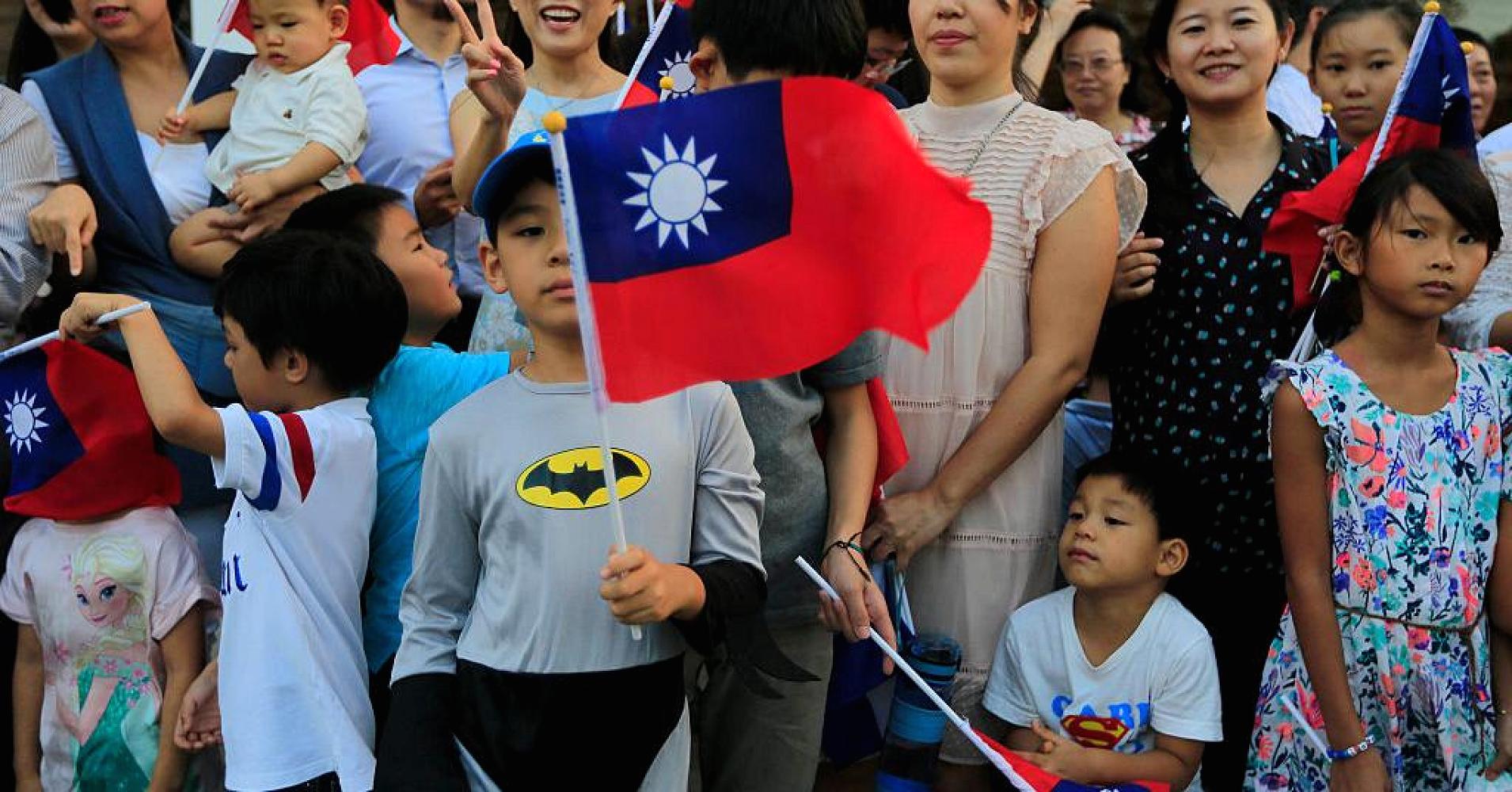
Since the Taiwanese government lifted martial law in 1987, the Taiwanese people have enjoyed a level of freedom such that they now find it “very difficult to see such liberty being curtailed,” Yen added. Taiwanese have also developed a distinct local identity in recent decades.
The heavy-handed rule was imposed by the Nationalist Party after it was forced to retreat to Taiwan in a civil war with the Chinese Communist Party. The two territories have been separately governed since 1949.
Mainland China now regards Taiwan as a renegade province that can be taken back by force if necessary and has worked to diplomatically isolate Taiwan.
Recently, China detained Taiwanese human rights activist Lee Ming-cheh on grounds of national security.
The deep political divide between China and Taiwan is unlikely to be bridged in the next few years as long as Tsai Ing-wen from the independence-leaning Democratic Progressive Party remains the president, added Yu.
The political gulf between China and Taiwan was on display when, at an event to kick off her party’s celebration of the anniversary last Thursday, Tsai paid tribute to democratic rule.
“Freedom is not a given, and democracy is not a gift from rulers. Everything we have today was won by the struggles of Taiwanese,” Tsai said, according to the Taipei Times.
At night on the same day, she posted a tribute on Facebook to Chinese human rights activist and Nobel Peace Prize laureate Liu Xiaobo, who died of cancer while in detention on the mainland.
Calling Liu a “human rights warrior,” Tsai urged China to grant democratic rights and freedoms to its citizens in the same post. “We hope mainland Chinese authorities will display the self-confidence to grant mainland Chinese their natural right to democracy and freedom, and at the same time open up new prospects for cross-strait relations,” Tsai wrote in Chinese.
The mainland has tightened its screws on Taiwan since Tsai won the presidential election last year. Taiwan is economically dependent on China, its top trading partner.
But moves such as restricting tour groups to Taiwan are “counter-productive” and won’t help China’s cause, said Chengchi University’s Yen.
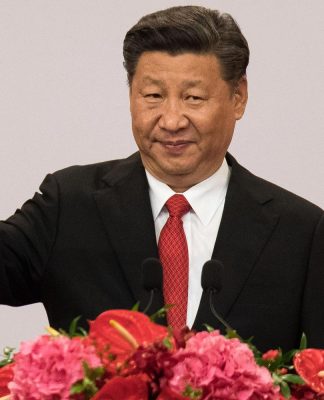
Yen said he does not foresee immediate military threats as long as Tsai’s administration does not officially declare independence. Things may change, however, after Chinese President Xi Jinping consolidates his power as expected during the 19th Communist Party Congress in the fall, Yen added.