
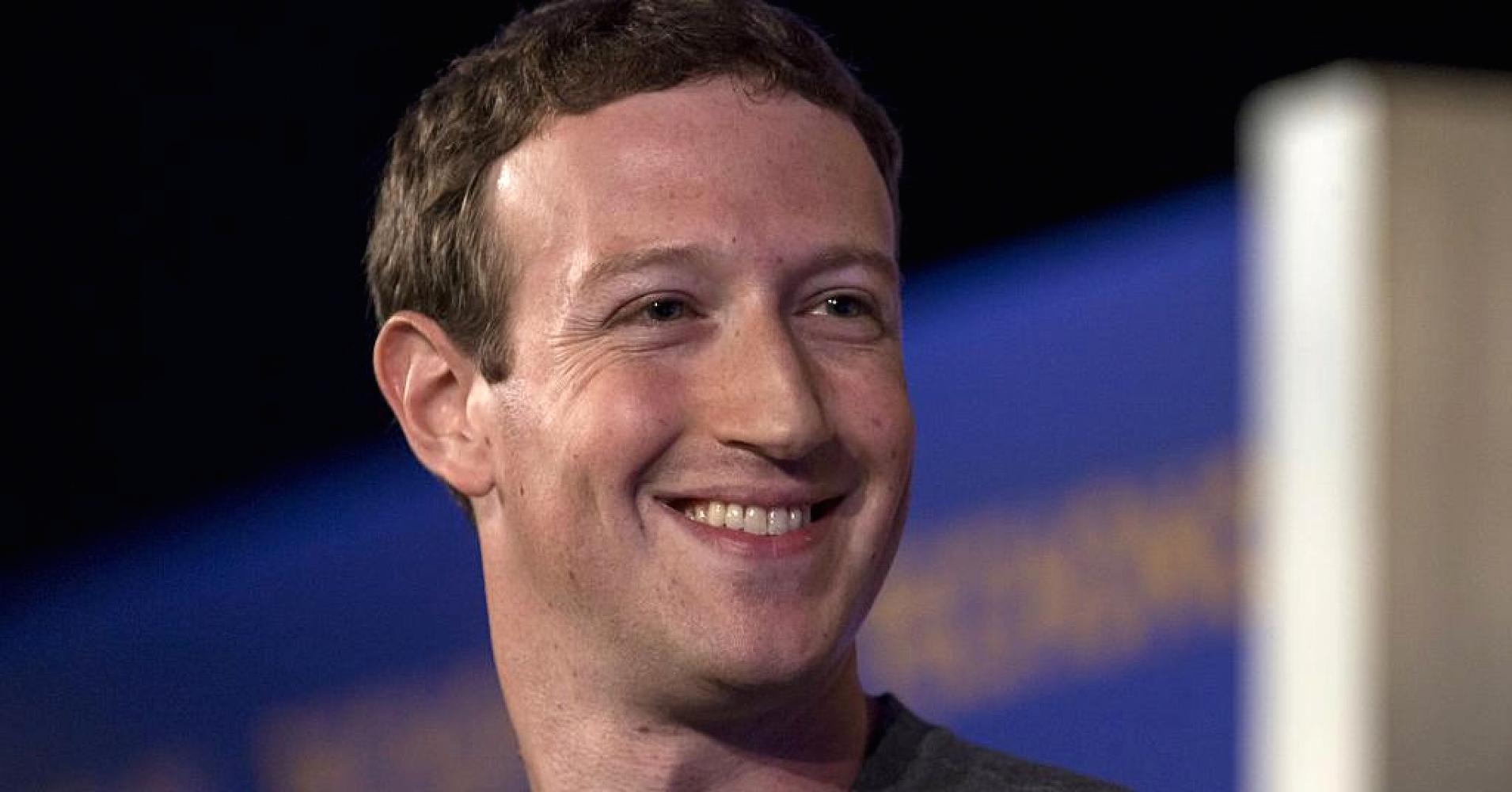
Zuckerberg’s first foray into politics was an immigration advocacy super PAC called FWD.us, which he mentioned in a recent Facebook post about Trump’s immigration order; CZI’s top priorities are changing policy in education and science. In January, the initiative announced that it hired former Obama campaign manager David Plouffe as “political muscle” for its advocacy goals. (Ken Mehlman, who managed George W. Bush’s re-election campaign, will sit on CZI’s advisory board.) In an interview with the New York Times, Zuckerberg argued that bipartisan political operatives were necessary for CZI to do its good work: “You can make change, but in order for it to be sustainable, you need to build a movement to support it.”
A job application for CZI’s director of advocacy says candidates must be as comfortable in a room full of engineers as they are “in the basement of a church rallying people to organize on behalf of criminal justice reform.”
Zuckerberg is far from the first capitalist to switch gears from showing no mercy in the public markets to launching a massive foundation. “Some people choose to focus on building their business before turning to philanthropy in a big way,” Microsoft founder Bill Gates wrote in an email to BuzzFeed News. “But it’s exciting and inspiring to see younger people like Mark and Priscilla realize that they can do both — they can make an incredible impact on the world through philanthropy and Mark can continue to build and lead Facebook to new heights.”
That desire to “do both” helps explain why Zuckerberg might need the brownie points. Uber’s downward spiral over the past few months is ample evidence of how much a company’s bottom line can rest on the public’s impression of its CEO. Likability is an asset when it comes to backlash from Facebook’s disillusioned workforce, populist backlash against Silicon Valley, even faith in the free market itself. (After the launch of CZI, The New Yorker wrote that charitable giving on this scale makes the inequalities of modern capitalism “seem somewhat more defensible.” Tech columnist David Pogue shared a similar sentiment, except a decade earlier, declaring that he could no longer consider the founder of Microsoft a ruthless monopolist after he donated 95% of his fortune: “Mr. Gates’s entire life arc suddenly looks like a 35-year game of Robin Hood.”
In interviews with BuzzFeed News, Zuckerberg’s mentors — including Hoffman, SV Angel founder Ron Conway, and early Facebook employee Matt Cohler, who is now a partner at Benchmark Capital — all argued that Zuckerberg’s recent likability blitz is genuine, part of a continuous evolution brought on by increased maturity, acceptance of responsibility, and becoming a dad. As Hoffman — who recently announced a $20 million donation to CZI’s Biohub — said, if in 2010 Zuckerberg’s public perception was as a hoodie-wearing creep with poor social skills, now there’s a realization that “in addition to a super smart, super capable guy, he is also is a loving father, he has kind of a personal voice, he has emotional vibrancy.”
“Do I think it’s calculated?” Hammerling asked. “Absolutely, but that doesn’t mean calculated in a bad way. He’s testing his comfort level.”
Hoffman stressed that the newfound personal transparency isn’t a PR ploy. “It’s substantive. It’s not like marketing, brand image, ‘Oh, I’m gonna do the cute dog pictures because everybody likes cute dog pictures and letters to children.'” In his view, Zuckerberg is “working aggressively to have a bunch of power in order to move the world the right way” and is earnestly committed to his mission.
It may look like he’s power hungry, but Zuckerberg simply trusts himself, and with good reason. Historically, a former executive said, Zuckerberg’s “long-term decision-making worked out better than instincts of other people who may have influenced him, like Wall Street.” When Facebook first launched, it had a tagline across the bottom of the page that said “a Mark Zuckerberg production”; perhaps that’s still the case.
The same former Facebook executive described Zuckerberg as a genuinely curious person who wants to understand the world. Like many other Americans, elites or otherwise, Zuckerberg is trying to get out of his filter bubble.
“People can make fun of him going around the country and visiting diners, but they’re all sitting in their little homes trying to one up each other,” said Swisher, “At least someone is trying, even if it seems like French King visiting the countryside.”