
Attention has also focused on China as a potential broker for some kind of nuclear pact. The country is a traditional ally of North Korea and is its largest trading partner. However, it would not like to see regime change in North Korea and has previously signaled that it would defend the country if attacked by the U.S.
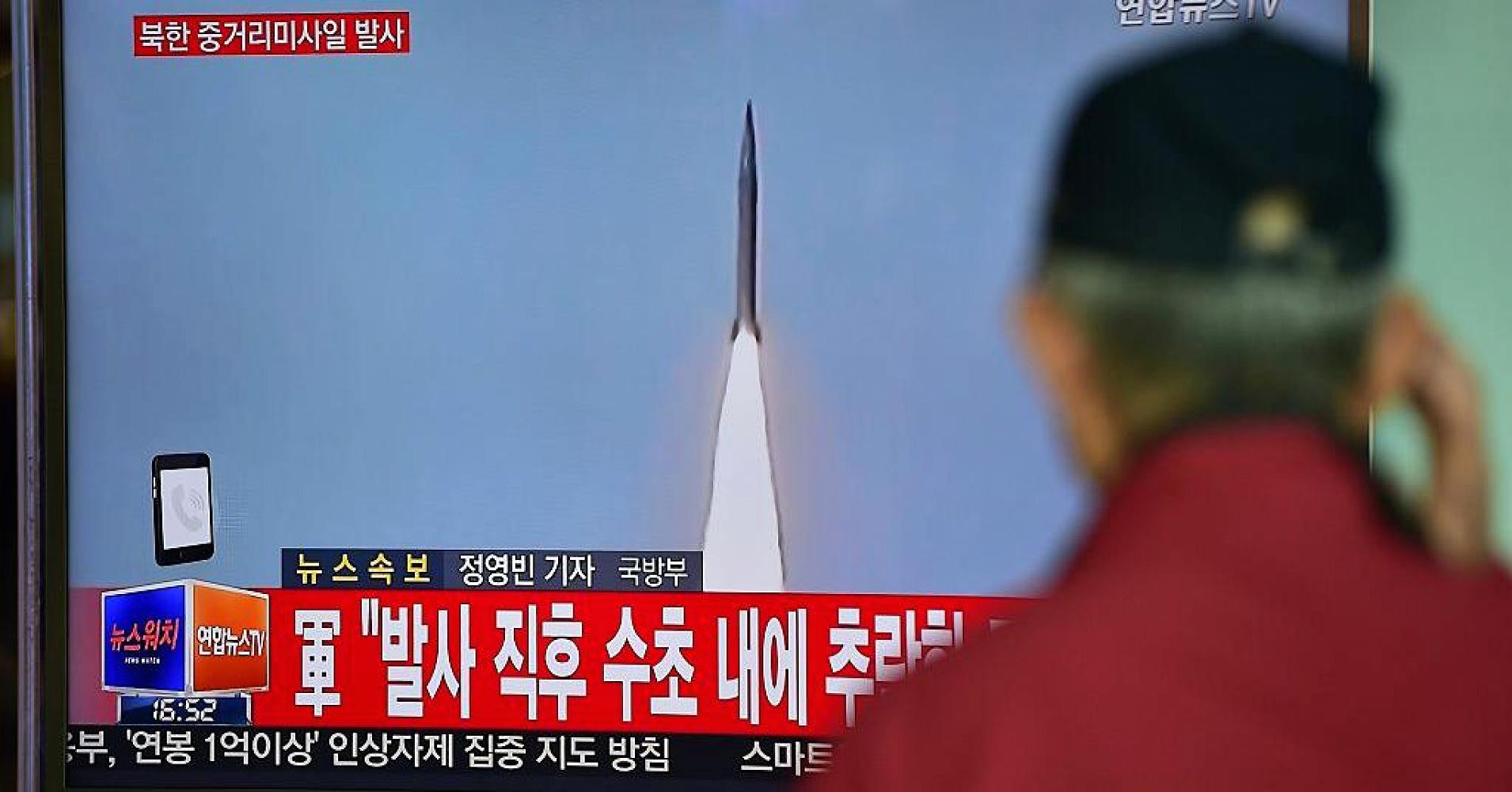
On the other hand, China is keen to preserve stability in the region and has tired of its bellicose neighbor’s repeated defiance of warnings to stop its missile tests. Relations between the countries’ leaders are reported to be frosty too, particularly after North Korea conducted missile tests during China’s hosting of high-profile events.
Gates said that while China has influence over North Korea, “it doesn’t have control.”
“(China is) responsible for 80 percent of the gross domestic product of the North (of Korea) and they have the sole source of oil and coal and fuel for the North, but the Chinese concern is first and foremost about a collapse in the North that throws the control of the nuclear programs into question. But equally important, it would perhaps send millions of North Korean refugees into China,” Gates said.
“Then they worry that if there is a collapse in the North, you end up with a South Korean-dominated, unified peninsula with the U.S. which is the worst of all possible worlds for China.”
Gates believed that China was trying to get North Korea to downplay their nuclear program but that there was only so far the superpower could go without upsetting a delicate power balance in the region.
“The Chinese would like to have a non-nuclear peninsula but they don’t have the ability to make the North Koreans do that, except at very high risk of collapsing the whole regime so they’re walking a tight-wire,” he said.
“(The question is) how much pressure can you put on North Korea without bringing about a collapse and they don’t know the answer to that, and neither does anybody else,” Gates added.
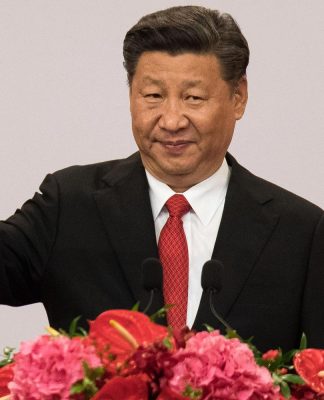
North Korea is expected to be a topic for discussion when South Korea’s President Moon Jae-in travels to Beijing for a summit with Chinese President Xi Jinping this week. The visit comes amid a row over Seoul’s use of a U.S. anti-missile system that China believes uses a radar to see into its territory, Reuters reported.