
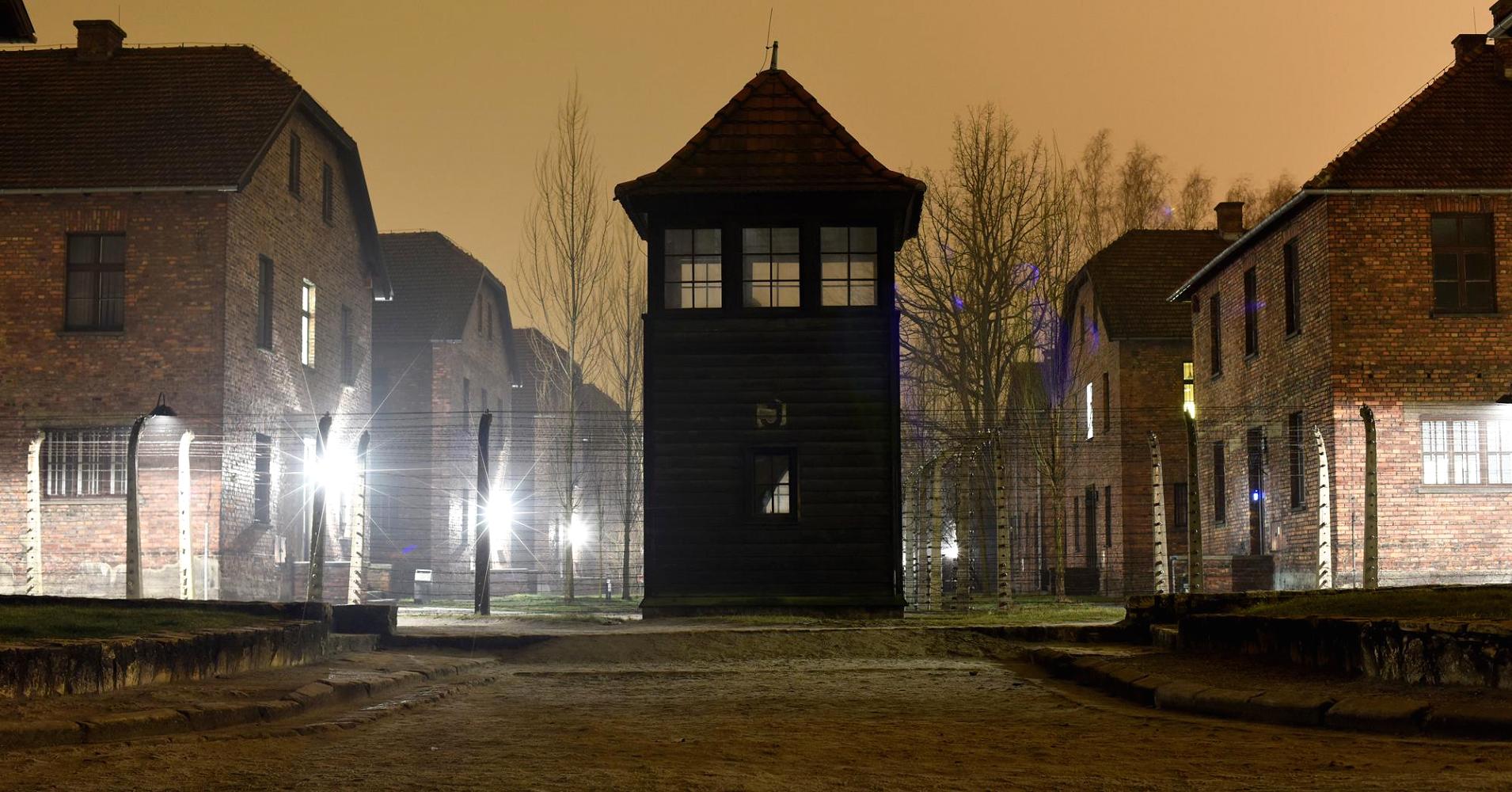
Polish lawmakers approved a bill on Thursday that would impose jail terms for suggesting Poland was complicit in the Holocaust, drawing concern from the United States and outrage from Israel, which denounced “any attempt to challenge historical truth”.
Poland’s ruling Law and Justice party (PiS) says the bill is needed to protect Poland’s reputation and ensure historians recognise that Poles as well as Jews perished under the Nazis. Israeli officials said it criminalises basic historical facts.
The Senate voted on the bill in the early hours on Thursday and it will now be sent to President Andrzej Duda for signature.
“We, the Poles, were victims, as were the Jews,” Deputy Prime Minister Beata Szydlo, a senior PiS figure and supporter of the law, said on Wednesday before the vote. “It is a duty of every Pole to defend the good name of Poland. Just as the Jews, we were victims.”
Under the proposed legislation, violators would face three years in prison for mentioning the term “Polish death camps”, although the bill says scientific research into World War Two would not be constrained.
Israel “adamantly opposes” the bill’s approval, the Israeli Foreign Ministry said on Thursday.
“Israel views with utmost gravity any attempt to challenge historical truth. No law will change the facts,” ministry spokesman Emmanuel Nahshon said on Twitter.
Israeli Housing Minister Yoav Galant, one of several cabinet ministers to denounce the bill, told Israel’s Army Radio that he considered it “de facto Holocaust denial”.
The bill has come at a time when rightwing, anti-immigrant parties like PiS have been in the ascendancy in Europe, especially in the former Communist countries of the east. EU officials have expressed alarm over the PiS administration in Poland, which they say has undermined the rule of law by exerting pressure over the courts and media.
The ruling PiS, a socially conservative, nationalist group, has reignited debate on the Holocaust as part of a campaign to fuel patriotism since sweeping into power in 2015.
The U.S. State Department said the legislation “could undermine free speech and academic discourse”.
“We are also concerned about the repercussions this draft legislation, if enacted, could have on Poland’s strategic interests and relationships,” State Department spokeswoman Heather Nauert said in a statement.
Piotr Buras, head of the Warsaw office of the European Council on Foreign Relations think tank, told Reuters it was likely to push Poland further toward nationalism and isolation.
“The president will have to sign it – otherwise it would mean he is giving into international pressure. But the external criticism will, of course, push the government further into the position of a besieged fortress, strengthening both the nationalistic rhetoric…and the nationalistic mood in the country.”