
Oil prices could struggle to break out of a range around $50 a barrel until the market is convinced exports are falling and stockpiles are drawing down. There was evidence of that on Thursday, as oil prices fell sharply on word that OPEC had agreed to the nine-month cut.
Having come to expect a nine-month extension, the market may now see that outcome as little more than “a good start,” said Amrita Sen, chief oil analyst at Energy Aspects.
“I think the market now, given that they announced the nine months already a few weeks ago, is expecting something a little bit more, maybe deeper cuts, maybe at least keeping the door open possibly for more cuts if inventories don’t fall,” she told CNBC on the sidelines of the OPEC meeting on Wednesday.
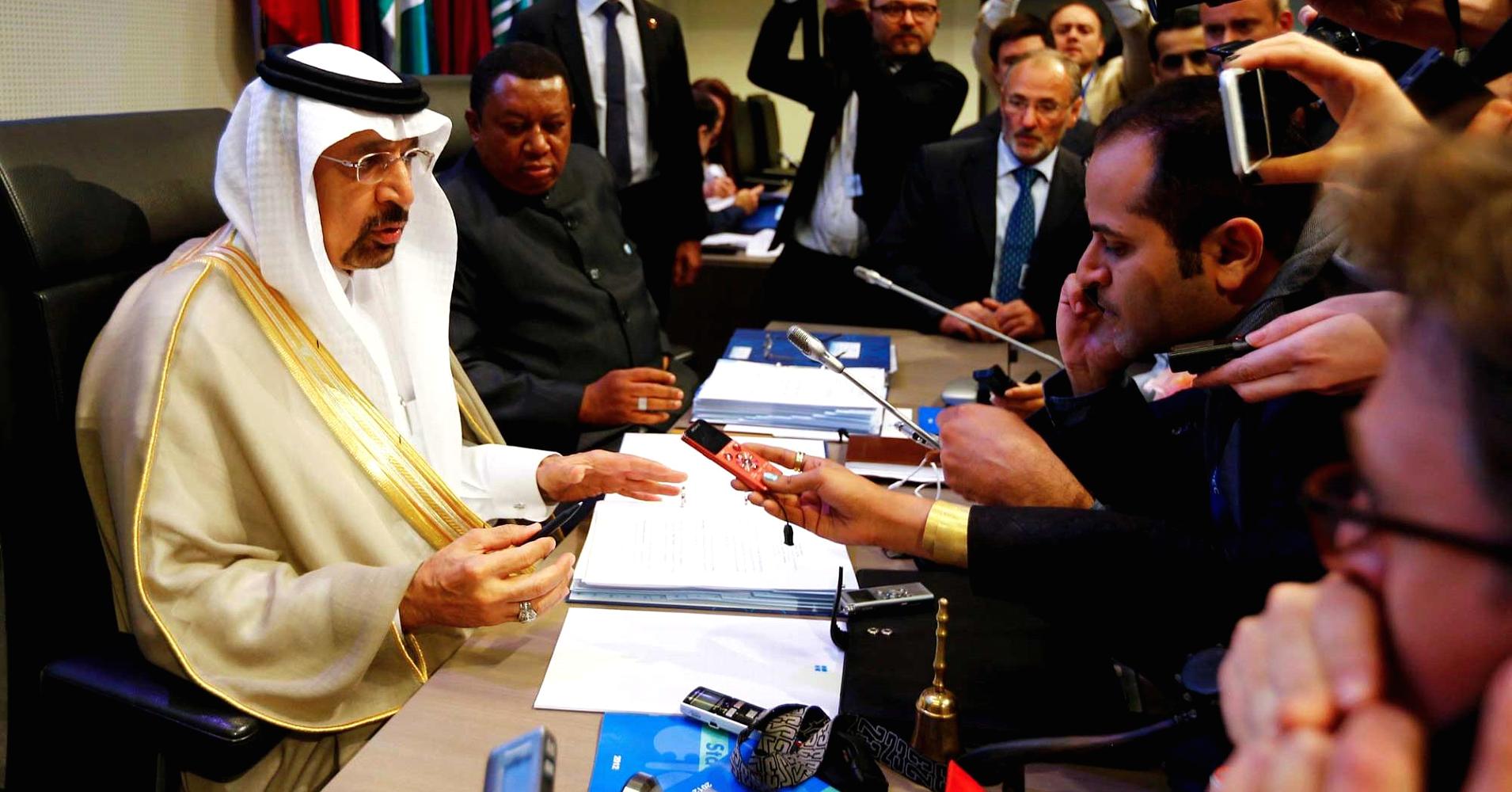
Saudi Oil Minister Khalid al-Falih said Thursday that continuing the cuts at the current level “is a very safe and almost certain option to do the trick.”
Michele Della Vigna, co-head of European equities at Goldman Sachs, said deeper cuts might actually be the best strategy. It would accelerate the market’s transition into “backwardation,” when oil prices for immediate delivery are higher than prices for future crude shipments.
That would benefit OPEC. Instead, prices are higher for delivery 12 months from now, which works in the favor of U.S. drillers, who are funding production by locking in higher prices for future shipments and leaving crude in storage.