
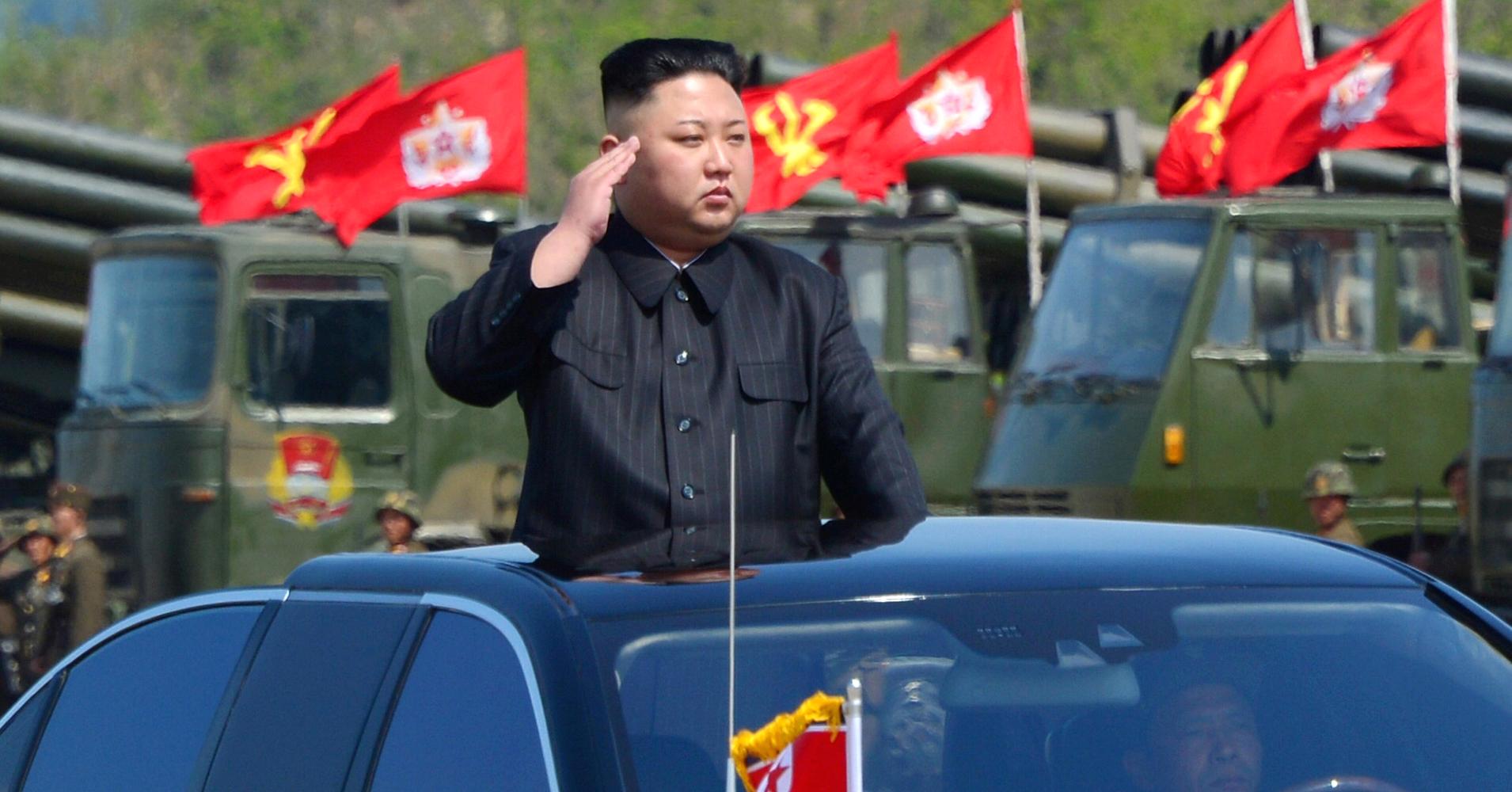
As bad as things are with North Korea right now, the situation will only get worse over time. North Korea’s mastery of nuclear technology — meaning both missiles and nuclear devices themselves — is steadily improving.
The country’s fifth nuclear test, in 2016, is estimated to be about 33 percent more powerful than the bomb that leveled Hiroshima. If its missile program continues unabated, North Korea will eventually be able to hit the whole of the United States.
Previously, the North has threatened to “wipe out Manhattan” in the event of conflict with the United States. This threat is empty now — but absent some kind of brake on North Korea’s nuclear program, it may well become quite serious.
Hence why discussions about North Korea in Washington have taken on such an urgent tone. The United States wants to head off the growth of North Korea’s nuclear program before it becomes a threat to the American homeland, but right now it has no clear strategy for doing that.
The best bet so far has been to get China to pressure North Korea economically. While North Korea is exceptionally isolated economically — the US has basically sanctioned the North as much as it can — China remains the North’s economic lifeline.
But so far, the Chinese haven’t played ball: Trade between China and North Korea actually increased in the first quarter of 2017, allowing the Kim regime to continue puttering along. The US government can try to punish China, through things like sanctions on Chinese banks that do business with Pyongyang, but there’s no guarantee that this will be enough to cause China to reverse its stance.
What’s more, any agreement would only head off a threat to the US homeland from North Korean missiles. There’s no chance, according to Lewis, that the US could convince the North to give up its nuclear weapons altogether — or end the provocations that create the risk of conflict in the first place.
Absent some kind of agreement with the North, which seems far off, the only way to lessen the threat would be for the regime to collapse. While this is a possibility, it seems pretty remote at the moment. North Korea’s economy is growing fast by its standards, which would make a popular rebellion less likely. And there aren’t obvious signs of a brewing rebellion from the North Korean elite.
Plus, a regime collapse would create its own challenges: a governance vacuum in an impoverished country of tens of millions. This is a problem in both humanitarian terms — many of these people are already effectively starving — and security ones. How do you prevent the weapons that made up the North Korean government’s arsenal, both nuclear and conventional, from falling into the wrong hands?
The bottom line is that the North Korean situation holds perhaps the greatest risk of a nuclear war of any conflict on earth. The American public is preoccupied with the fight against ISIS and the unending stream of Trump scandals, but we ignore North Korea at our own peril.
Commentary by Zack Beauchamp, a senior reporter at Vox. Follow him on Twitter at @zackbeachamp.
For more insight from CNBC contributors, follow
@CNBCopinion
on Twitter.