
Fatemeh Bahrami | Anadolu Agency | Getty Images
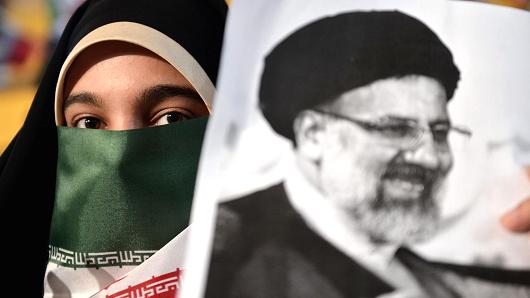
Supporters of Iranian cleric and presidential candidate Ebrahim Raisi vawe Iranian flags during Raisi’s electoral rally prior to presidential elections in Tehran, Iran on April 29, 2017.
The likely successor to Iran‘s supreme leader has entered the country’s presidential election, and that’s throwing a lot into question.
Many still expect the relatively moderate President Hassan Rouhani to win another term when Iranians go to the polls on May 19. But the emergence of Ebrahim Raisi as the conservative favorite has tightened the race and raised concerns about oil, a historic nuclear deal, and the fragile reopening of the Iranian market.
Raisi was an unknown until he rose to prominence last year when Ayatollah Ali Khamenei named him the custodian of an important Shiite shrine. The move sparked speculation that Raisi is in line to succeed the 77-year old supreme leader.
“A looming succession crisis and a contentious economic debate may yet doom Rouhani to a single-term presidency,” warned Ray Takeyh, a senior fellow at the Council on Foreign Relations, in a Financial Times op-ed.
A hardline victory this month would put conservatives on a collision course with a combative Trump administration, endangering the 2015 agreement that put limits on Iran’s nuclear program in exchange for sanctions relief.
Hanging in the balance is Iran’s oil production, which has grown by roughly a million barrels a day since sanctions were lifted. So too are investment plans by energy giants to develop the country’s massive oil and gas reserves, and billions in aircraft sales by companies including Boeing.