
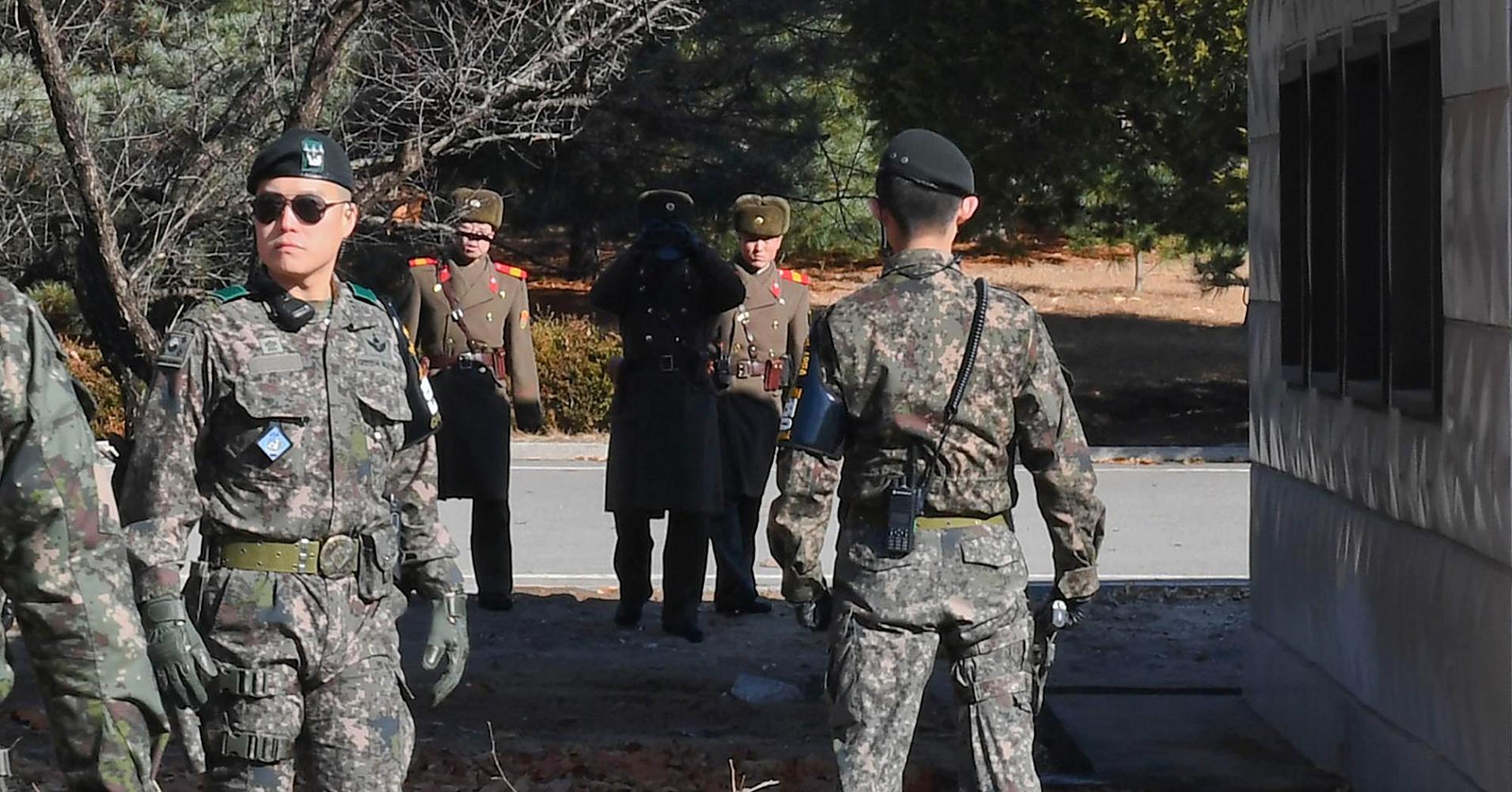
The White House on Friday welcomed news that China’s North Korea imports plunged in December to their lowest in dollar terms since at least the start of 2014, but President Donald Trump accused Beijing last month of allowing oil into North Korea, a charge Beijing denied.
Western European security sources told Reuters last month that Russian tankers had supplied fuel to North Korea on at least three occasions in recent months by transferring cargoes at sea. Russia says it observes U.N. sanctions.
Eric Walsh, Canada’s ambassador to South Korea, told a panel at the University of British Columbia that the uneven way sanctions were applied meant “there are a lot of gaps.” “One of the things we want to do is look at how we can improve enforcement,” he said.
U.S. officials say hawks in the Trump administration remain pessimistic that the North-South contacts will lead anywhere. Even so, debate within the U.S. administration over whether to give more active consideration to military options, such as a pre-emptive strike on a North Korean nuclear or missile site, has lost momentum ahead of the Olympics, the officials said.
Scott Snyder, director of the U.S.-Korea policy program at Washington’s Council on Foreign Relations, said that if Pyongyang felt tougher sanctions constituted a blockade, it might interpret them as an act of war.
“If sanctions are going to be effective in achieving the objective of bringing about diplomacy, (they) have to be used not as a hammer but actually as a nutcracker or a scalpel,” he told the university panel.
British Foreign Secretary Boris Johnson, who will be in Vancouver, said the international community had to stand united.
“Sanctions are biting but we need to maintain diplomatic pressure on Kim Jong Un’s regime,” he said in a statement.