
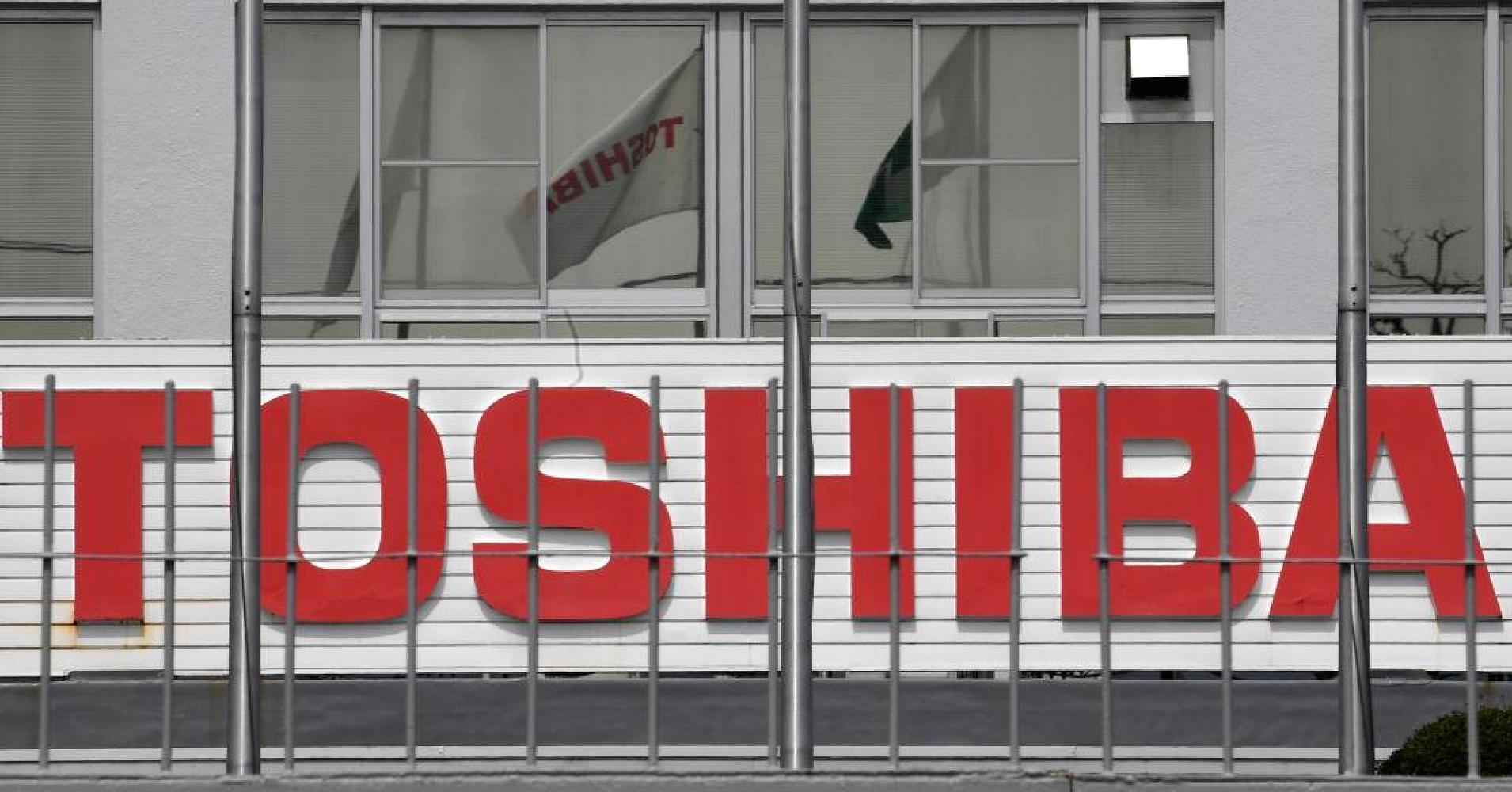
In February, the Nikkei business daily reported that Toshiba asked bidders to peg the memory unit’s operations’ value at 2 trillion yen (about $18.26 billion) or more.
Kazunori Ito, a senior equity analyst at Ibbotson Associates Japan, told CNBC’s “Squawk Box” the base case scenario could see Toshiba bring in at least 1.7 trillion yen from the sale. “I think this is enough to make up for the losses on the balance sheet,” Ito said.
Thong agreed: “The future of Toshiba will not have memory. Memory business, regardless of how it will come out, will be sold in some form to some entity, whether it’s foreign or Japanese.”
He said the sale should solve the hole in Toshiba’s balance sheet, pay off its debts, resolve liabilities related to its Westinghouse Electric nuclear business in the U.S. — which filed for Chapter 11 bankruptcy protection in late March — and put the company in the clear.
Toshiba booked a net loss of 532.5 billion yen ($4.86 billion) in the nine months to December and warned about concerns over its survival. “There are material events and conditions that raise the substantial doubt about the Company’s ability to continue as a going concern,” Toshiba said. Shareholders’ equity was negative 225.7 billion yen ($-1.9 billion) by the end of December.
Several suitors are eyeing the NAND memory business, and Ito said it was likely the unit would be sold within a year.
Nikkei reported in late-March that U.S. private-equity firm Silver Lake Partners and chipmaker Broadcom offered Toshiba about 2 trillion yen for the unit. South Korea’s SK Hynix also submitted a bid according to Reuters. The Wall Street Journal reported on Monday Taiwanese manufacturer Foxconn offered up to 3 trillion yen for the business.
Meanwhile, Reuters reported that Toshiba’s CEO, Satoshi Tsunakawa, said at a press briefing in Tokyo on Tuesday that the company will do everything to avoid being de-listed.