
JLL analyzed 40
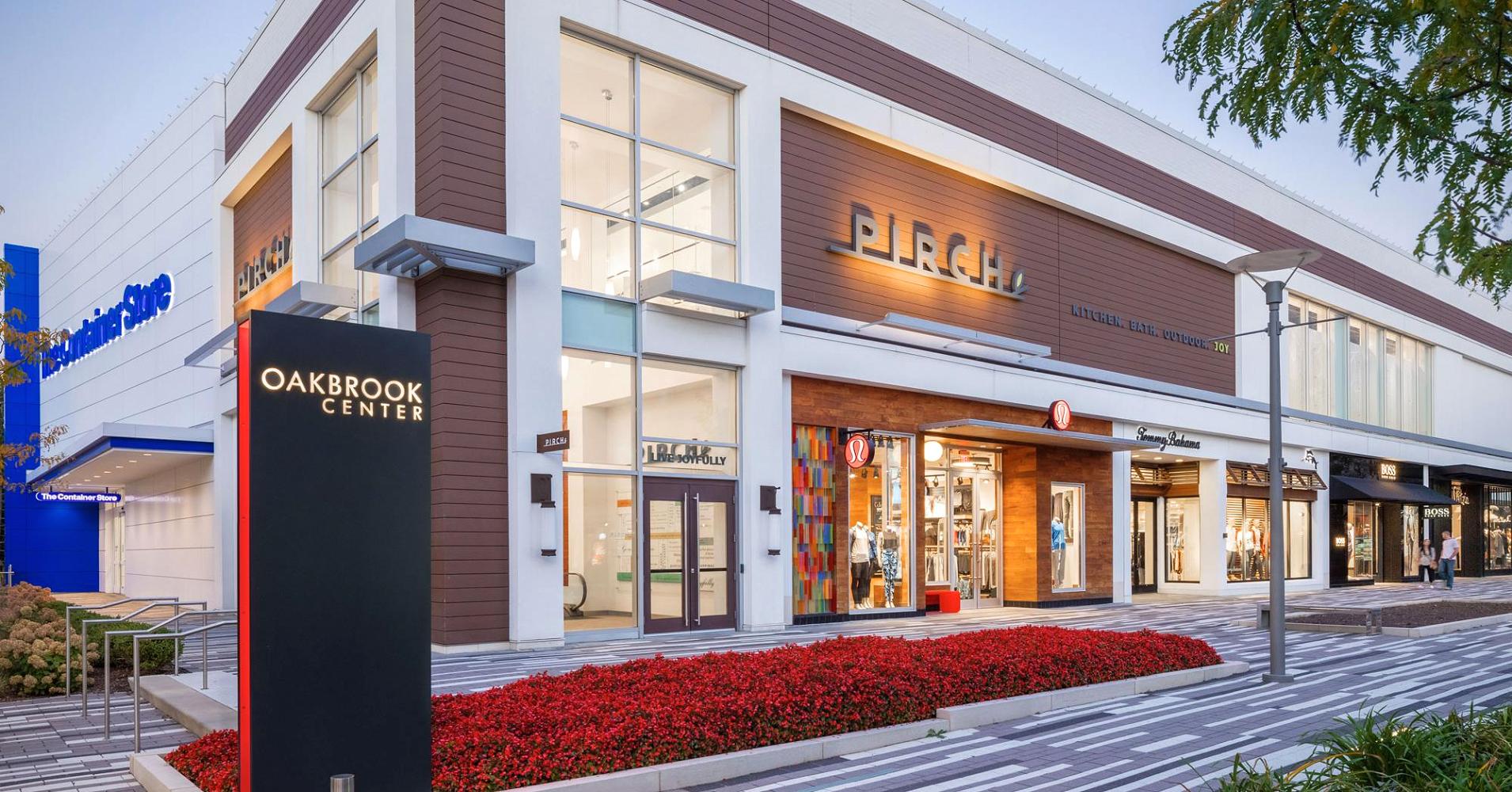
They include GGP’s Oakbrook Center, 30 minutes outside of Chicago. After GGP exited bankruptcy in 2010, the then half-century-old mall became a priority for the recapitalized firm. Located in an affluent area near Naperville, Illinois, with no competing retail centers nearby, “the property was ripe for reinvestment,” Kevin Berry, senior vice president of investor and public relations, told CNBC.
Changes included upgrading the flooring and landscaping in the common area; breaking a 150,000-square-foot Bloomingdale’s Home into smaller spaces for The Container Store,
Since 2011, GGP has redeveloped 82 vacant department stores. They’ve been transformed into everything from a trampoline park to a Forever 21 to a 24 Hour Fitness. While those projects cost a combined $1.4 billion, they’ve generated an 11 percent annual return.
“The new life of these things just really runs the gamut,” Berry said.
Of course, not every retail center will have such a happy ending. Malls that have been outshined by stronger neighboring properties are less likely to merit the capital required for reinvention. And that’s if their owner has the money in the first place. Given that many of those struggling centers are operated by smaller, privately owned companies, they often don’t have the capital necessary for a head-to-toe makeover.
As a result, Green Street Advisors’ 2017 Mall Outlook estimates there are more 300 malls in the U.S. considered “C” quality. Those lower-tier malls are the most at risk of closing over the next several years, the report said.
Despite the gloom those malls and a massive wave of store closures have cast on the mall industry, Maloney remains an optimist.
“This is the best time to be in our business,” he said. “This is when you get to take space and get creative and build something bigger and better than what was there before.”
Watch: Kniffen says we have too many malls