

Despite the anticipated benefits to investors and to the economy at large, the move does not come without risks.
For one, interest payment on the bond will come at a budgetary cost, which could push up government expenditure and the fiscal deficit, according to Radhika Rao, economist at DBS bank.
Already, India faces a challenging fiscal position, having spent 96 percent of its full-year deficit target in the first five months of its fiscal year. The squeeze limits the government’s ability spend and boost growth.
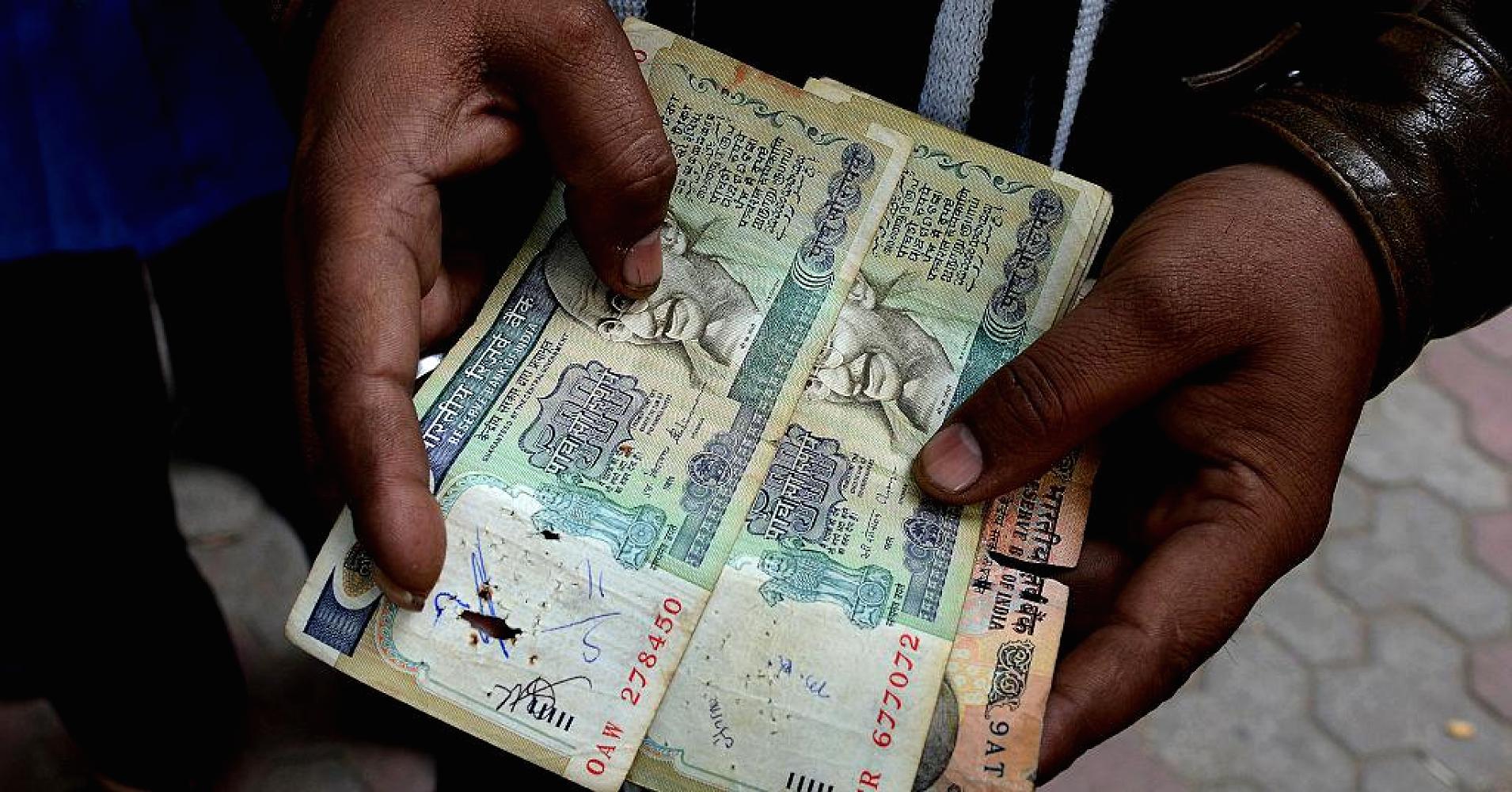
Economic expansion had slowed to a three-year low of 5.7 percent in the April-to-June period, which many said was caused by the introduction of the new Goods and Services Tax and a recent ban on high-value notes.
The country’s central bank, the Reserve Bank of India, is also more likely to hike rates sooner than markets currently expect, according to Goldman Sachs. That would prove bearish for short-term interest rates, although the impact on rates in the longer term remains uncertain, the Goldman note added.
Furthermore, the move could “sustain the risk of more public sector bank loans turning sour, swelling the country’s [bad loan] ratio,” according to a note by ING bank.
—CNBC’s Lee Yen Nee contributed to this report.