
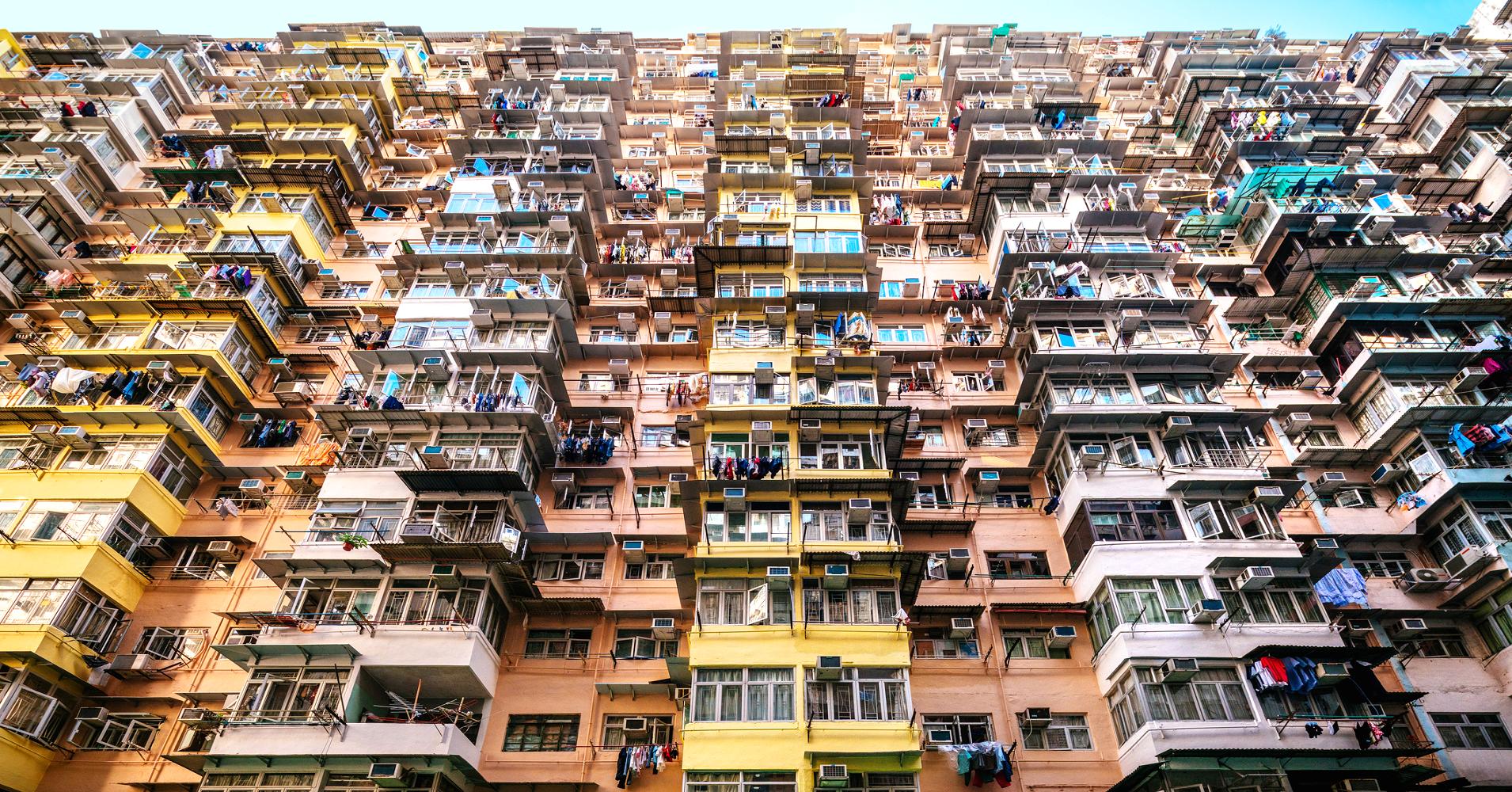
Added to that, there’s very little developable land left in Hong Kong, as liveable land is squeezed between bodies of water and soaring mountains.
Mainland developers are driving up costs
The land that is able to be developed is mostly controlled by the government, which offers land to developers behind the scenes by tender.
The land is selling for record amounts, increasingly to Chinese mainland developers, which in turn are likely to command record high prices for buyers for apartments and rental spaces built.
Recently, two Chinese developers paid a record $2.17 billion for a plot of residential land, which exceeded market valuations by almost 50-percent, according to South China Morning Post.
Meanwhile, Hong Kong’s government controls nearly half of the total supply or housing through public housing rentals and assisted home ownership purchase programs, which are intended for lower-income families. Meaning, just about half of the housing market is available on the private market.
Land sales and revenue
It’s no secret Hong Kong is one of the most tax-friendly economies in the world. One of the reasons the government can keep taxes so low is because a large chunk of its revenues come from land sales.
If property values drop, the government can’t generate as much revenue, meaning there’s little incentive to seriously curb Hong Kong’s cost of housing.
In fact, if property values dropped too much, the government could even have to rethink its tax revenue system.
The silver lining may be this: While Hong Kong’s housing prices aren’t likely to decrease anytime soon, the multiple of cost of housing to gross annual median income actually declined from 2015 to 2016, going from 19 to 18.1, according to Demographia.