
Nomura analysts Yang Zhao and Wendy Chen said they expect the project to spur slightly stronger growth in fixed asset investment, particularly in infrastructure and property investment.
They estimate that direct incremental annual infrastructure and property investment could be around CNY500 billion ($72.5 billion) in the next five years, translating to 0.3-0.6 percent of GDP.
“However, the net impact could be smaller as faster investment in Xiongan may be accompanied by slower investment in Beijing than would otherwise have been the case,” they added in a note released on Wednesday.
The project’s impact on economic growth may also be limited due to its high dependence on monetary policy, which is likely to remain prudent overall to curb asset bubbles and financial risks, crowding out other or private investment expenditure.
“However monetary policy plays out, we doubt it is likely to be loose for long, and the faster growth in Xiongan will have to crowd out financing and slower growth elsewhere,” the Nomura analysts added.
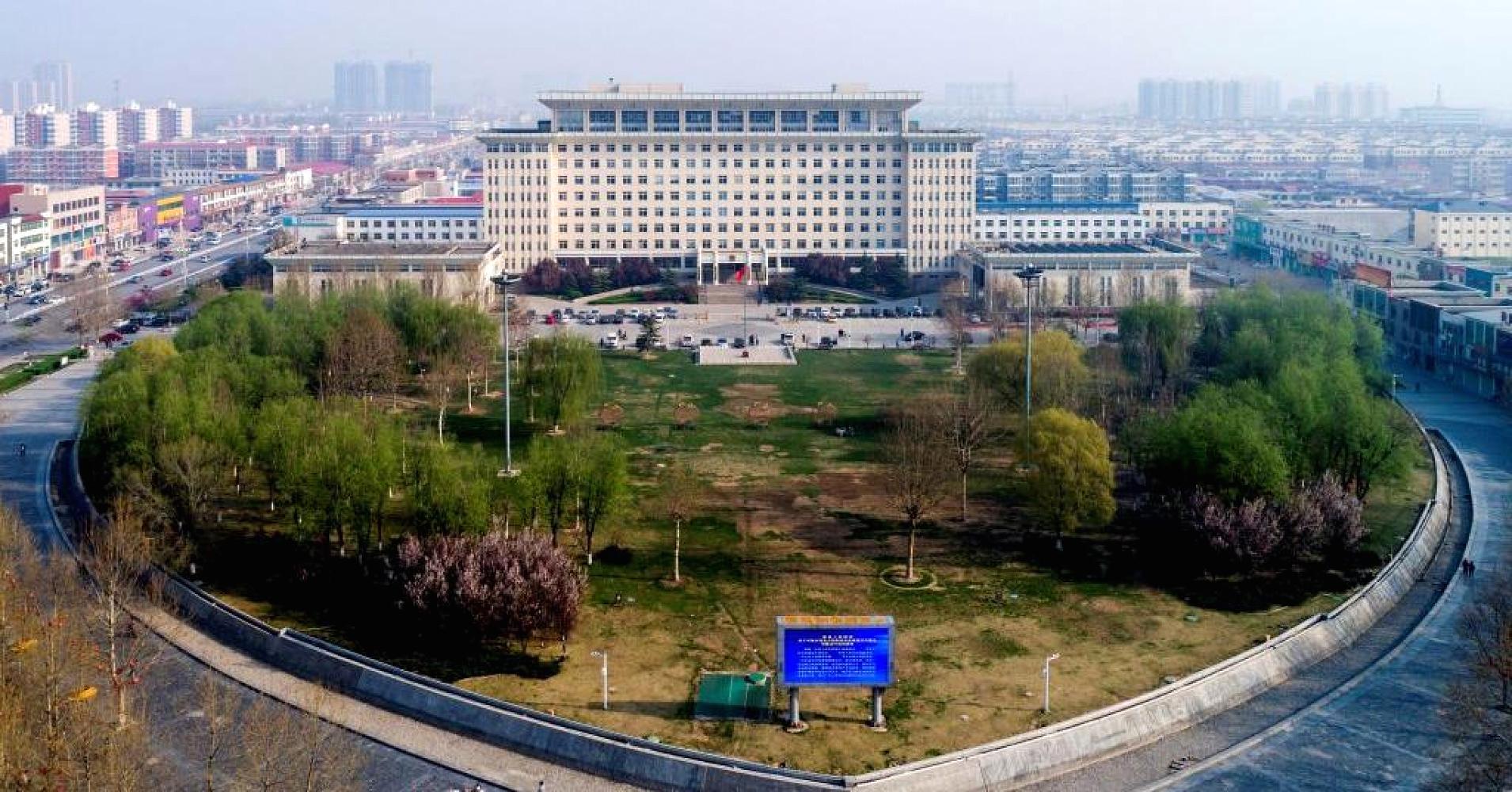
The Xiongan development, meant to spur growth in the region hit by layoffs in the heavy industry sector, is already becoming too hot to handle.
Hours after the announcement at the weekend, Xiongan experienced a property rush with investors and speculators pouring in, prompting a surge in housing prices and spurring a crackdown by local authorities as they forced property agencies in the area to shut temporarily, local media reported.
Authorities are generally keeping property purchasing policies loose in third and fourth-tier cities to encourage migrations in these areas. Three counties covered by Xiongan New Area are located in the third tier city of Baoding.
According to a report released Thursday about China’s supply-side structural reforms, the Economist Intelligence Unit estimated that tier-three cities in China are the only ones that saw a rise in on-year net migration inflows in 2016.