

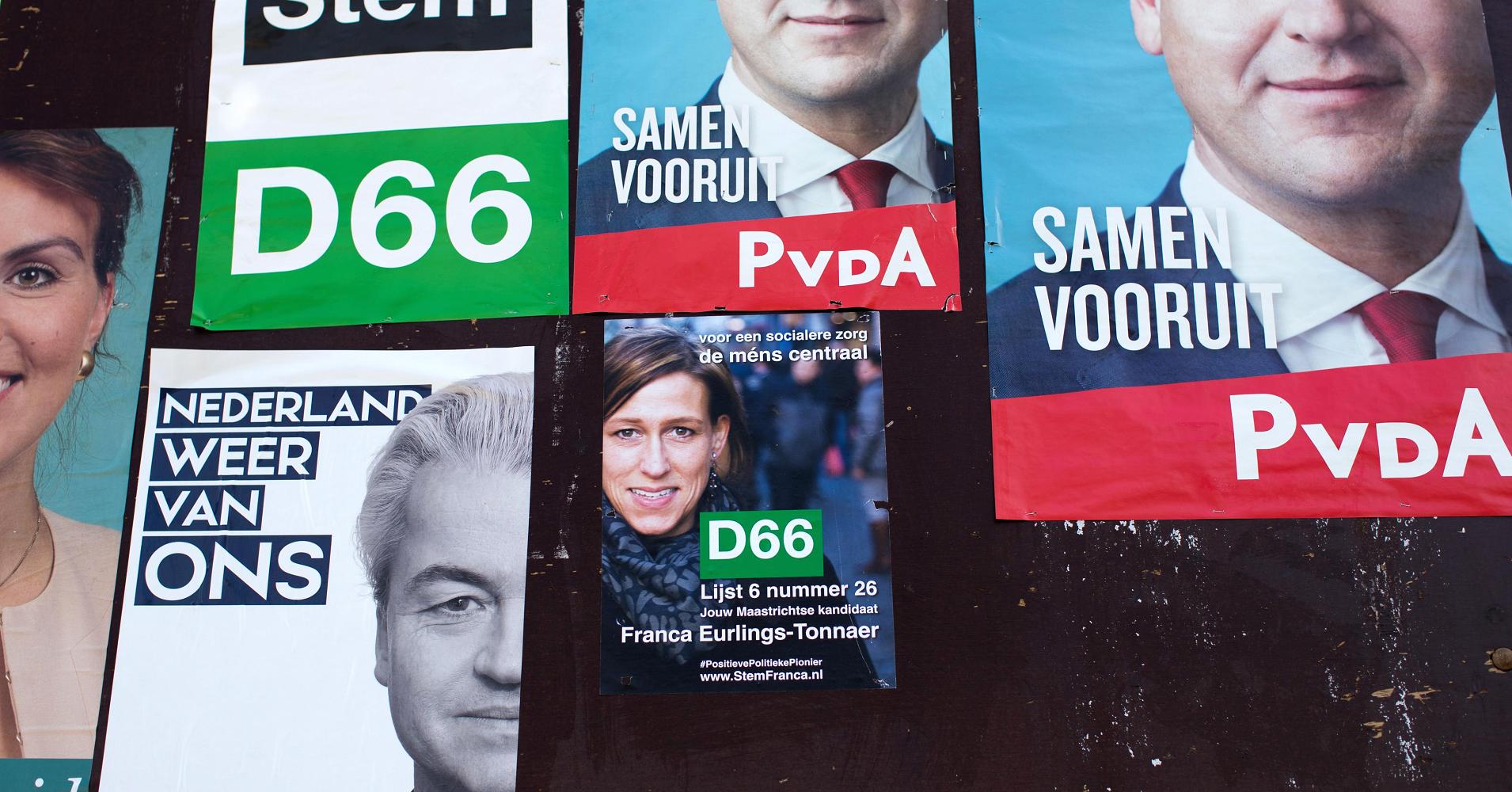
A total of 28 parties are vying for a chance to form a new Dutch government.
The Netherlands is a fractured political environment, based on proportional representation – or fair shares for all – which means that a coalition government is always necessary.
With 150 seats up for grabs in the Dutch parliament, and 76 required to form a majority, the incoming government is likely to be made of at least four to six different parties. Here are the front-runners among them.
VVD – People’s Party for Freedom and Democracy (40 seats)
Led by current Dutch Prime Minister Mark Rutte — the Liberal Party has held a majority in the Dutch government since 2012.
PvdA – Labour Party (35 seats)
The Labour Party is headed by Lodewijk Asscher, who is current Deputy Prime Minister but has faced criticism for his austerity measures.
SP – Socialist Party (15 seats)
The Socialist Party is led by Emile Roemer and focuses on policies including affordable healthcare.
CDA – Christian Democratic Appeal (13 seats)
Sybrand van Haersma Buma leads the Christian Democratic Appeal party and recently sought to follow PVV’s Geert Wilders in building on EU disillusionment, voicing aims for significant reform of the union.
PVV – Party of Freedom (12 seats)
Euro-sceptic Geert Wilders heads up the populist Party of Freedom, which has gathered momentum among Dutch voters in this year’s campaigning, capitalizing on growing nationalist and anti-Islamic sentiment.






