

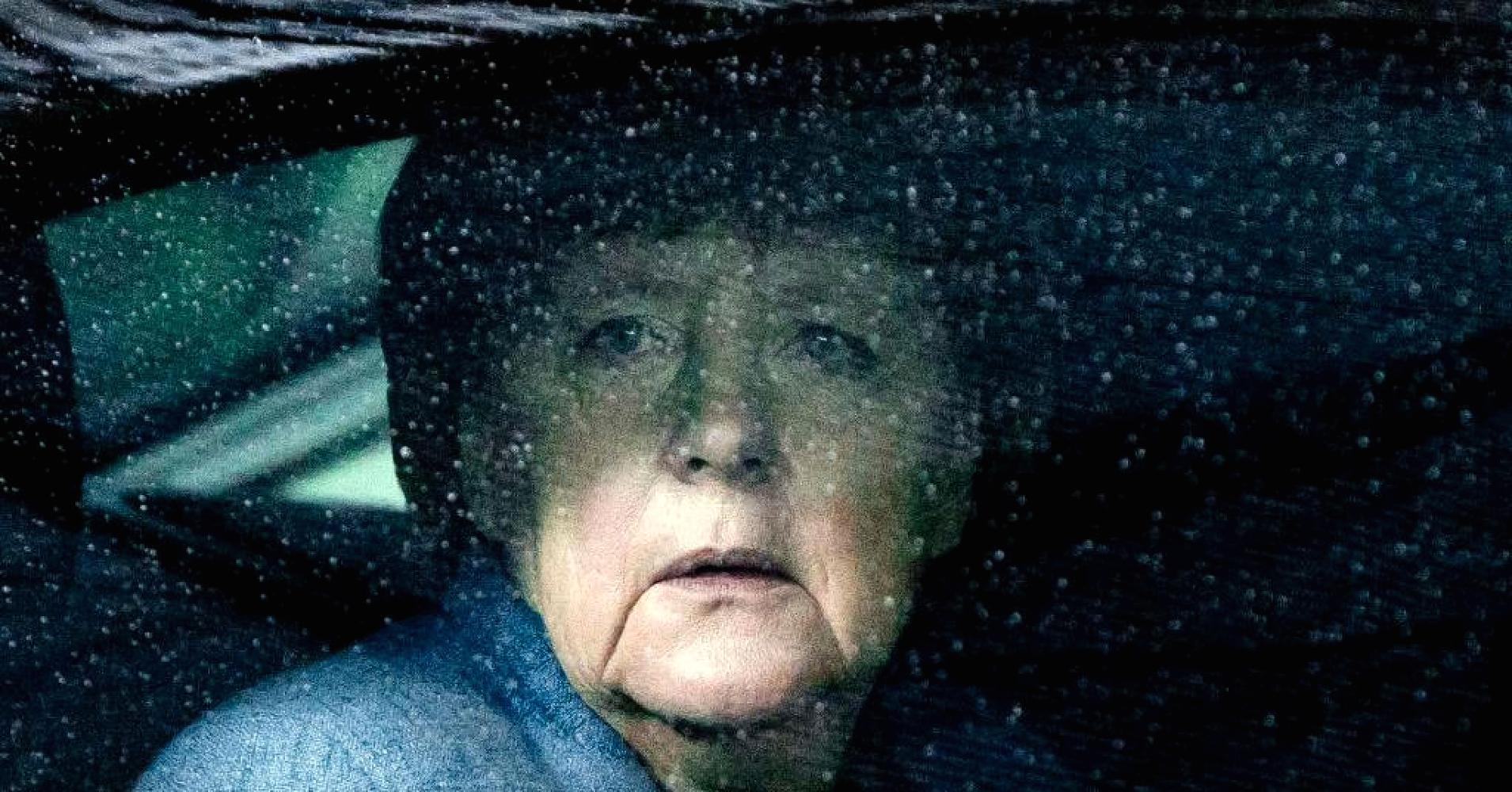
The talks run until Thursday and are expected to encounter some stumbling blocks, particularly with Merkel’s conservative union at odds with the center-left SPD over a number of issues, including social welfare reforms and the asylum status of refugees, many of whom entered Germany in 2015 at the height of Europe’s migration crisis.
If the parties find enough common ground this week to proceed, the SPD must then get backing for the deal from its members at the party’s congress later in January. If that succeeds, then the parties will proceed to full-blown coalition talks.
At best, a government could be sworn in late March or early April, according to Oxford Economics.
“The government formation in Germany is unlikely to be completed before the end of the first quarter even in an optimistic scenario,” Oliver Rakau, chief German economist at Oxford Economics, said in a note last week.
“The main stumbling blocks are the final vote of the SPD party congress. The latter is extremely skeptical of a new cooperation with the CDU,” he added.
If the talks fail to produce a deal, another election is likely. This would be a blow for Germany but more so for the wider euro zone that looks to its largest economy for political and economic stability. Germany accounts for 28 percent of the euro zone’s gross domestic product (GDP), according to the International Monetary Fund.
Germany’s economy is expected to have achieved 2.6 percent GDP growth in 2017, the country’s Bundesbank said in December, and similar momentum is expected in 2018. But political uncertainty would be a distraction for business and worrying for voters.
Pepijn Bergsen, an analyst at the Economist Intelligence Unit, told CNBC Monday that the talks would not have much impact on the German economy in the short term, however.
“For the German economy I don’t think it’ll make much difference (if talks fail), the economy is running very well — 2.5 percent last year and probably above 2 percent this year so there’s no need in the short term to reform in Germany. Over the medium to long term Germany still definitely needs to do quite a lot and for that, you’d want a stable government over the coming years.
“The real risk is more within Europe, there’s an ambitious reform agenda for the next half a year and for that you need a German government in place,” he said.






