
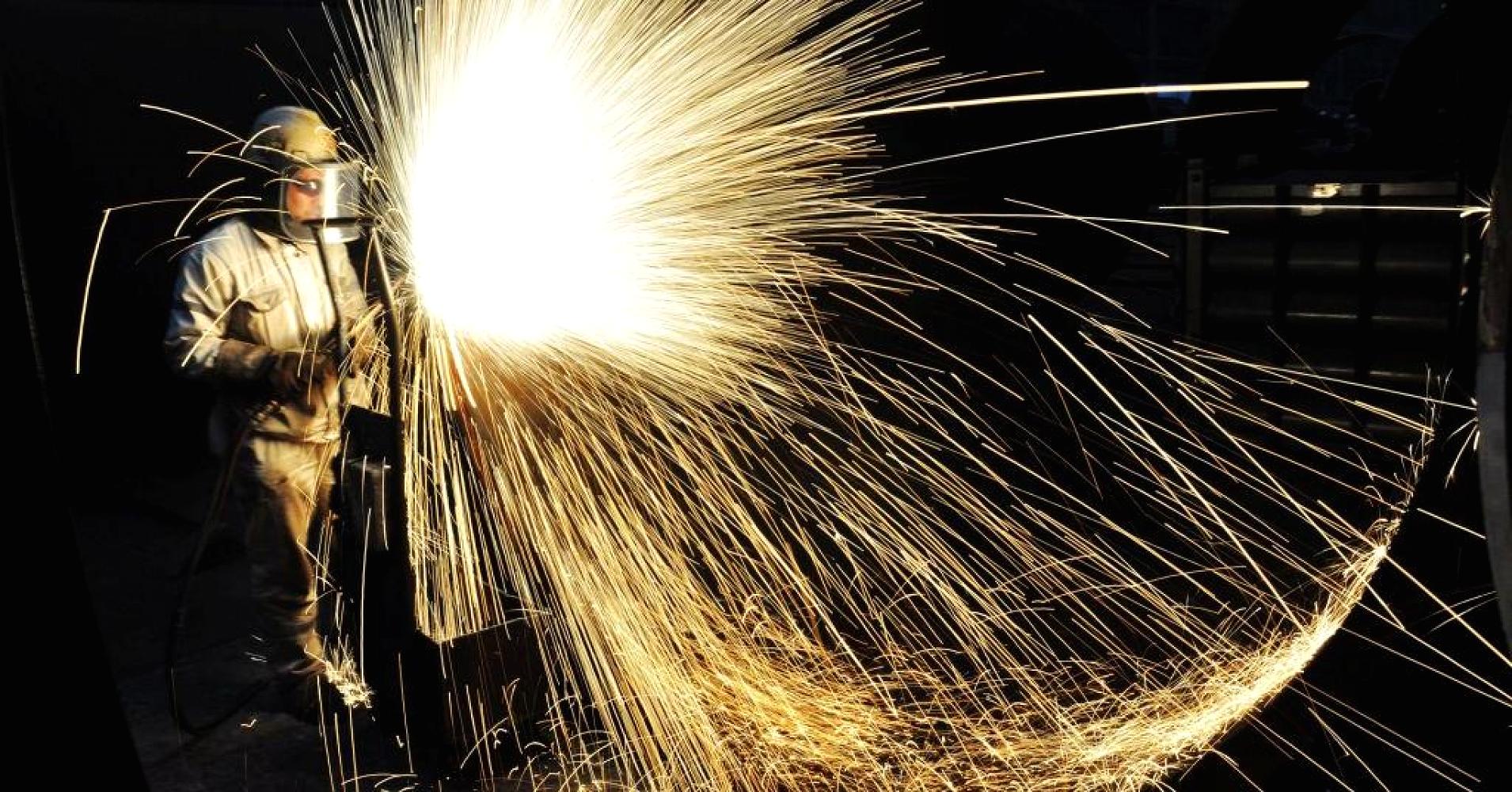
Trump campaigned on the promise of reviving long-battered U.S. industries like coal, steel and manufacturing, which hemorrhaged millions of jobs nationwide from the late 1970s onward as both automation and cheaper imports from overseas, particularly China and Japan, forced local factories to shut down.
“China is dumping steel all over the United States, okay? It’s killing you,” Trump told a crowd in the historic steel town of Pittsburgh, Pennsylvania, while on the campaign trail in 2016.
Much of the president’s electoral support came on the back of his protectionist pledge to cut out foreign competition, even though it stands in stark opposition to his Republican party’s traditional free trade orthodoxy.
“The economic case for steel and aluminum tariffs or other import restrictions is weak,” the free trade advocates’ missive said. It argued that the proposed tariffs — at least 24 percent on all steel imports and 7.7 percent on all aluminum imports globally, or larger tariffs of 53 percent on steel and 26.3 percent on aluminum against select countries including China, Brazil, India, South Korea and Russia — “would hurt downstream domestic manufacturers” by raising their costs, as well as trigger a “tit-for-tat game of foreign retaliation.”
The organizations cited 2015 census data showing that steel mills employed roughly 140,000 Americans and added $36 billion to the economy, while “steel-consuming industries, including manufacturers who rely on steel imports, employ 6.5 million Americans and add about $1 trillion to U.S. gross domestic product (GDP).”
“Raising costs on manufacturers will jeopardize far more jobs than could possibly be saved by imposing steel tariffs or other restrictions,” the letter said.