

Getty Images
Donald Trump speaks during a joint news conference with King Abdullah II of Jordan at the Rose Garden of the White House April 5, 2017 in Washington, DC.
Despite some lingering reservations, it was still quite a change in tone compared with a warning Fitch sent out in early February.
Back then, the agency declared that the nascent Trump administration “presents a risk to international economic conditions and global sovereign credit fundamentals.”
The new president had hurt “policy predictability” while “established international communication channels and relationship norms” had been “set aside” creating the threat of “sudden unanticipated changes in U.S. policies with potential global implications.”
All of the disruptions could pose credit-downgrade threats to U.S. trading partners, though Fitch did conceded then that “a lot can change.”
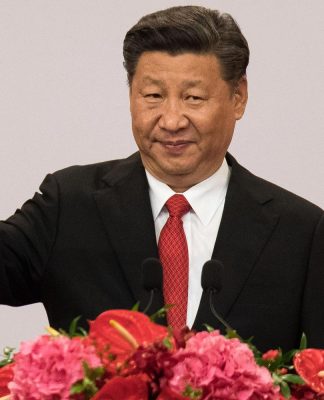
The agency was worried primarily that Trump would establish a protectionist agenda with tariffs that would start an international trade war. However, the president has softened a lot of that rhetoric since, and even last week met with his Chinese counterpart, Xi Jinping, in what had the air of a mostly cordial gathering of world leaders.
Fitch did on Tuesday issue some cautionary warnings about trade, and again pointed out that U.S. public debt was reaching dangerous levels.
“Increased trade protectionism and curbs on immigration would be negative for growth over the
medium-term,” Seville added.
Seville said he does not anticipate a future downgrade of U.S. debt.
Fitch was not alone in its warnings about the Trump agenda. During the campaign, Moody’s Analytics chief economist Mark Zandi warned that the new president’s plans as outlined would lead to a substantial recession.