
While fake news is a global phenomenon, it is particularly relevant for Southeast Asia — a region still relatively new to the idea of free cyberspace.
“For the first time in most people’s lives, they now have access to non-censored information by the state,” explained Aim Sinpeng, a politics professor at the University of Sydney. The region boasts a long history of state-controlled information through traditional media outlets, but the online world remains far less regulated by comparison.
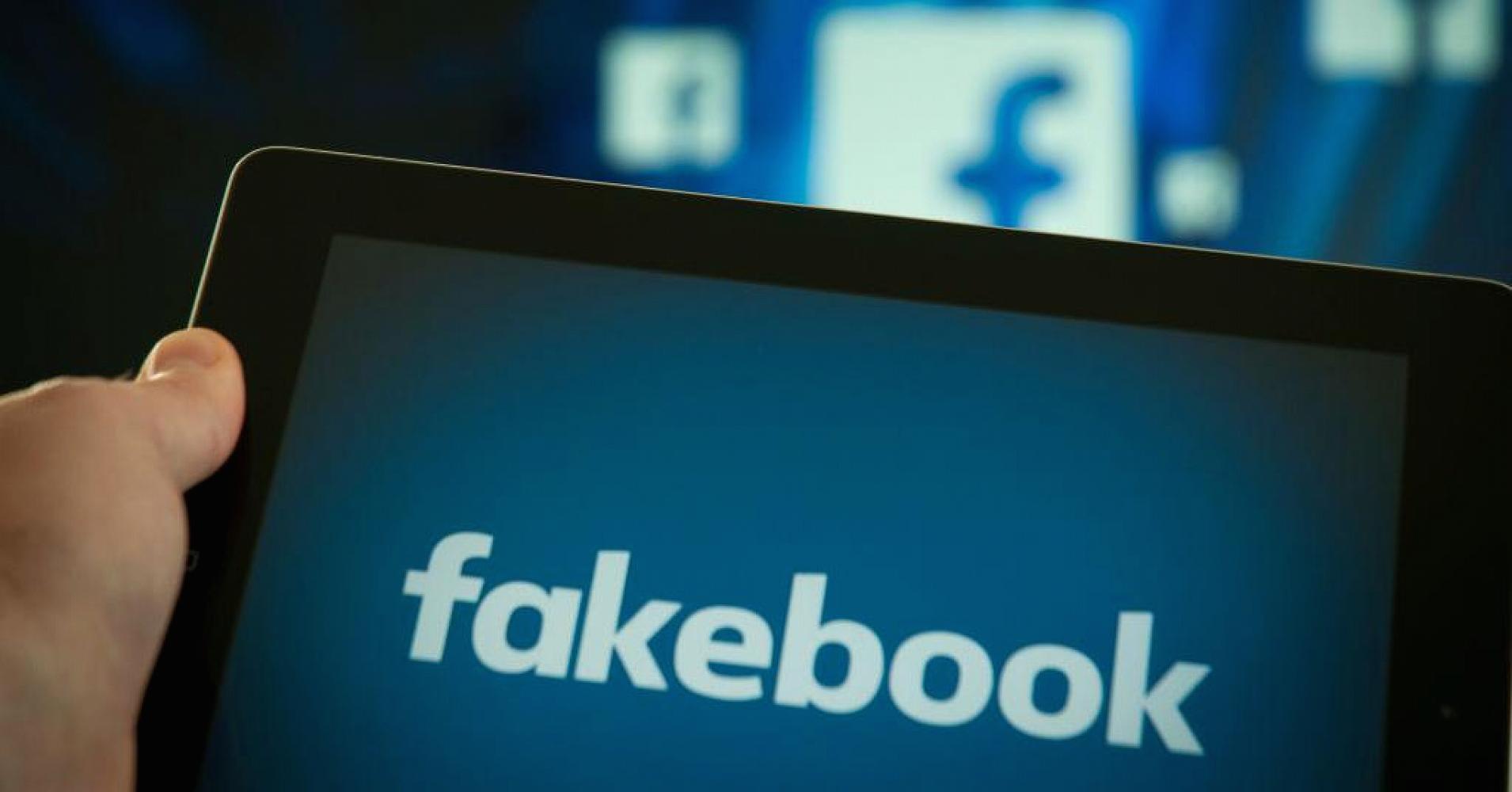
“Millions of Southeast Asians who have access to the internet for the first time now also have access to a sludge of information that has largely been unmitigated by state control,” Sinpeng said, adding that Facebook is now the main source of news for many Southeast Asians, the majority of whom trust information shared by friends in their networks.
That’s created an ideal breeding ground for purveyors of false reports.
Facebook can create an echo chamber effect in which people only read information from like-minded peers while the platform’s algorithms also produce “filter bubbles” that feed users information based on previous behavior, Sinpeng explained. “Both of these help to further exacerbate the spread of both misinformation and disinformation.”
Experts widely agree that efforts must be taken to improve digital literacy in the region, encouraging individuals to fact-check and corroborate news.