

Concerns about supply constraints have led the copper price to a 20-month high as Indonesia’s Grasberg, the world’s No. 2 copper mine, deals with an export ban, and Peru’s important Las Bambas faces protests that have blocked roads.
That creates a dilemma for the government of Chile, where copper makes up more than half all exports and whose income has diminished in recent years as the metal’s price has sunk.
A higher price will probably benefit the overall economy, although a protracted conflict will do little to encourage investment.
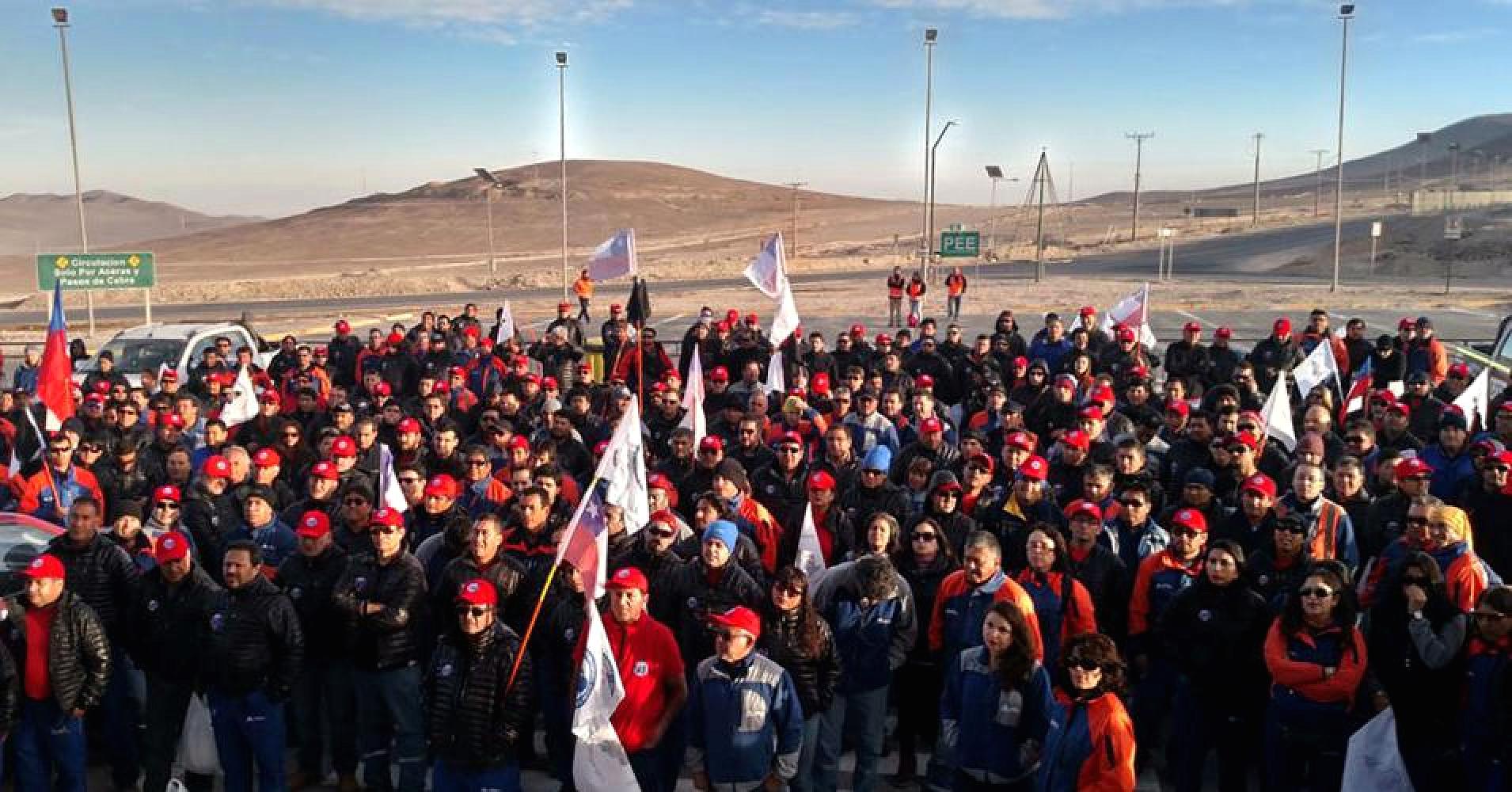
After 15 days of a strike, BHP may be able to bring in replacement workers. After 30 days, individual workers will have the option of accepting the company’s offer.
Traders say it is difficult to see the path ahead.
“It remains to be seen how long the workers can maintain their tough position and if the market benefits from the price of copper and other metals to the extent that the cost of the strike is economically not such a bad thing,” said one trader.
Escondida produced just over 1 million tonnes of copper in 2016 out of Chile‘s total 5.5 million.
BHP has a 57.5 percent controlling interest in the mine, with Rio Tinto and Japan’s JECO also holding stakes.






