
When cryptocurrency investors talk of influential work in the space, they often point to an August 2016 blog post titled “Fat Protocols,” written by an analyst at Union Square Ventures.
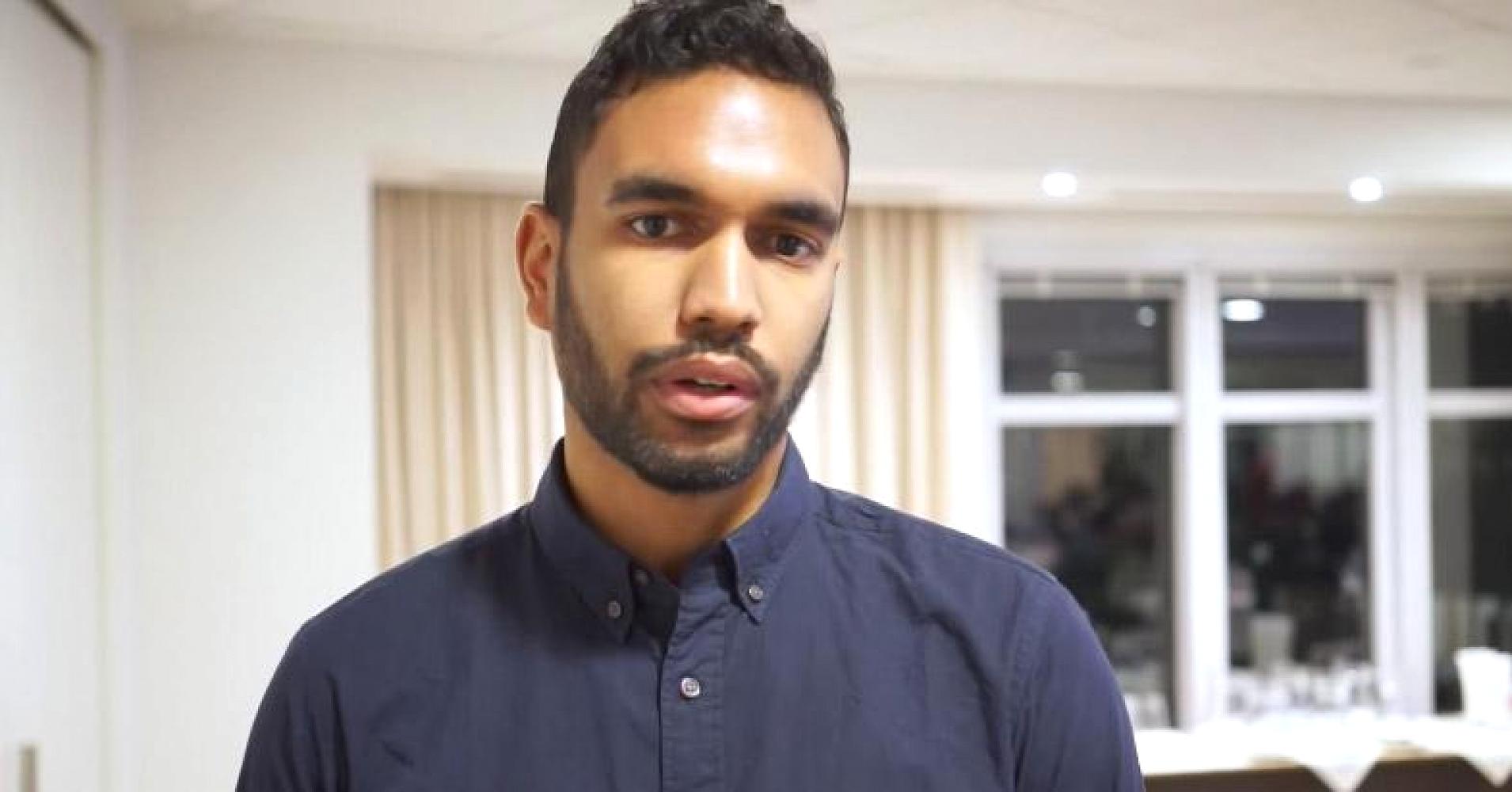
That analyst, Joel Monegro, is now getting out of the traditional venture world to invest solely in crypto assets. Monegro recently left Union Square to start a crypto fund, joining forces with Chris Burniske, a blockchain expert formerly at ARK Investment Management, according to sources familiar with the matter.
The firm — Placeholder Capital — is being structured using the venture model with a 10-year commitment from investors, said the sources, who asked not to be named because the founders haven’t publicly talked about their plans. Most sources wouldn’t divulge the likely size of the fund, but one said the partners are targeting about $100 million.
Crypto funds are opening by the week as investors look to bet on the wild fluctuations in the prices of cryptocurrencies bitcoin, ethereum and litecoin, while also getting stakes in new projects being built on blockchain.
Yet, it’s a challenging market for venture capitalists. Cryptocurrency projects are not like typical companies with a founder or two and equity to sell. Rather, they’re made up of disparate developer teams building blockchain technology and, instead of selling stock for financing, they’re distributing tokens or coins through what’s called initial coin offerings (ICO).
The new currency allows buyers to participate in their network, whether it’s buying storage or paying for transactions, and also serves as an investment opportunity.
But unlike investing in a company, there’s no board seat to be had or preferred shares to own. VCs, who are used to proprietary deal flow and access to non-public information, are now just like everyone else.
Furthermore, the assets can be viewed as unregulated securities.
“This is new territory,” said Nicholas Chirls, a partner at venture firm Notation Capital in New York which is putting a small percentage of its money into crypto investments. “This ecosystem and market is still so early that the structure of these crowd sales look very different from project to project.”