

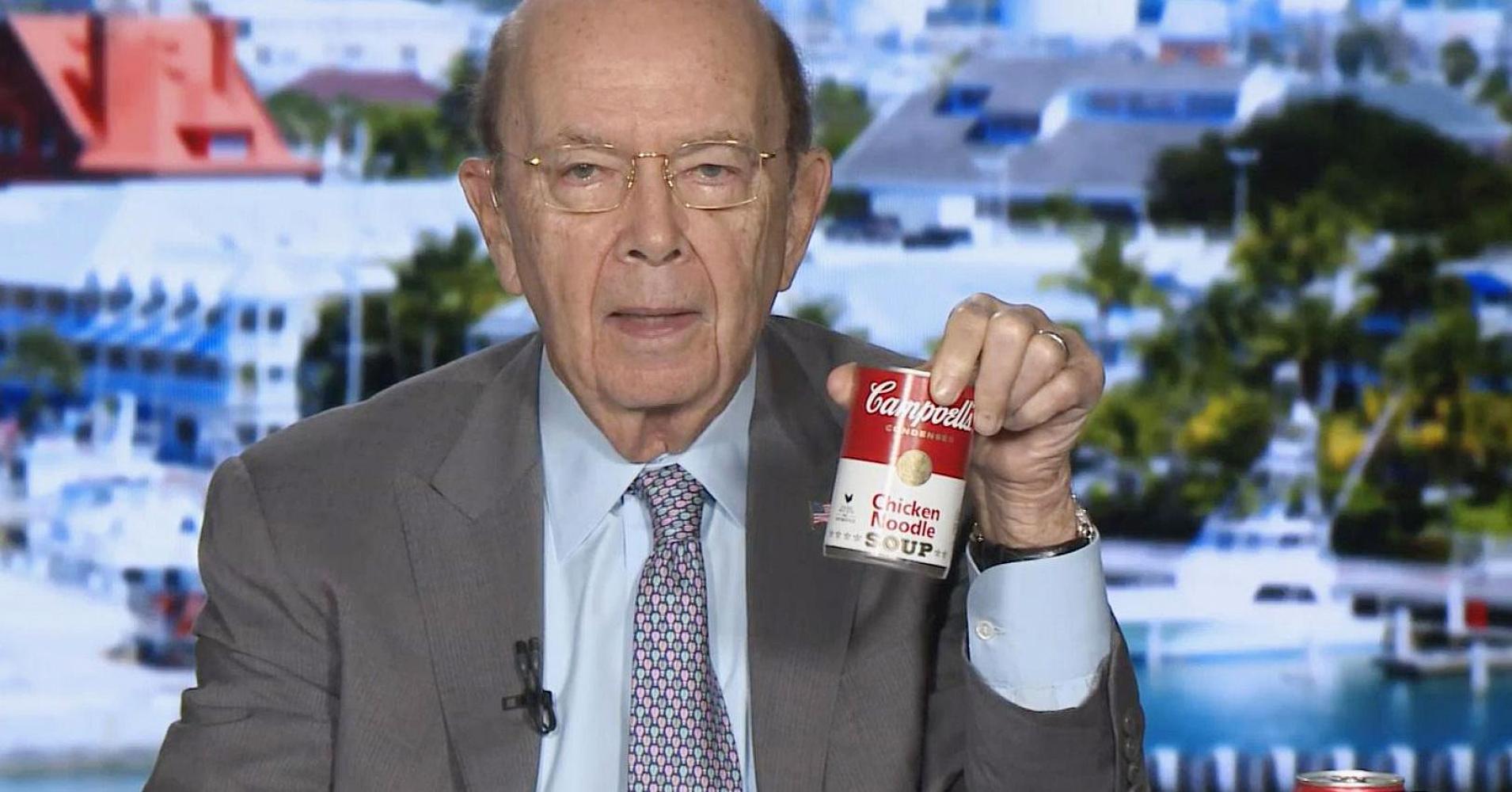
Ross said at the time that steel is, in fact, important to U.S. national security, and that current import flows are adversely impacting the steel industry.
The Secretary of Commerce “concludes that the present quantities and circumstance of steel imports are ‘weakening our internal economy’ and threaten to impair the national security as defined in Section 232,” the department said on Feb. 16.
“This is not the first time we put tariffs on steel. We have tariffs on many forms of steel,” Ross said Friday. “The reason why we’ve had to go this route is they don’t solve the problem of overcapacity in global dumping.”
“Economic strength is military strength,” Ross said, stressing the president is right on that.
In a tweet Friday morning, Trump suggested the U.S. would come out on top if the new tariffs were to spark an international trade war.
But not everyone close to Trump is happy about tariffs.
There are multiple media reports casting doubt on top economic advisor Gary Cohn‘s future after he was unable to convince the president not to impose steel and aluminium tariffs.
Cohn, who was the No. 2 executive at Goldman Sachs before joining the White House, is seen by Wall Street as a moderating voice in the administration.
In a brief gaggle with reporters on Friday morning, White House press secretary Sarah Huckabee Sanders was asked about whether the former Goldman Sachs executive is staying as director of the National Economic Council.
“I don’t have any reason to think otherwise right now,” she said. “Gary was here yesterday afternoon, I talked to him in my office several times.”
Sanders also said, Trump is “pretty committed” to his announced new policy, saying she did not expect the 25 percent tariff on steel and 10 percent on aluminum to change.






