

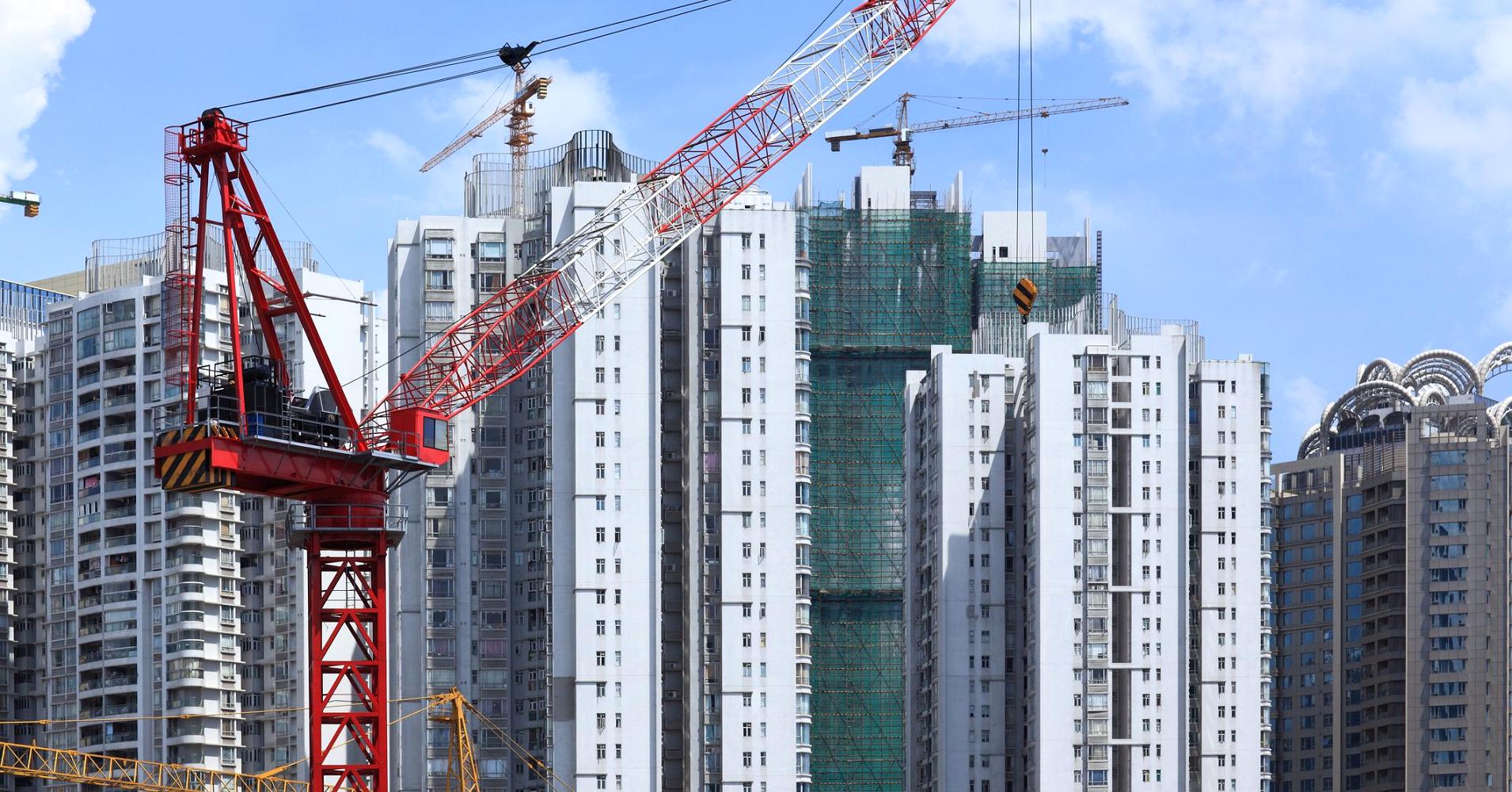
Data from the National Bureau of Statistics suggests the cooling measures are occurring as the staggering pace at which house prices were rising appears to have slowed.
Reuters reported that, in January, China’s home price growth slowed for the fourth straight month. Average new home prices in 70 major cities rose 0.2 percent on-month, slowing from December’s print of 0.3 percent on-month rise. But annually, home prices still rose.
Official data on Tuesday showed that, despite official measures to curb a housing market bubble, property sales by area in January and February surged 25.1 percent annually, according to Reuters.
He said the demand for new homes in tier 1 and tier 2 cities is still strong while lower tier cities were facing a case of excess supply.
“The new policies I think will, for the short term, adjust the market growth to a reasonable level, but in the long term, I think the supply and the demand dynamic is still very favorable,” the executive said.
To tap into the existing demand for property among Chinese consumers — real estate is a key sector for China’s broader economy — Leju is partnering up with China’s biggest internet players such as Sina, Tencent, Alibaba and Baidu among others.
“(The) low frequency in the online real estate market needs high-frequency internet platforms so that we can get potential buyers from them and provide our services,” said He.
Apart from forging key partnerships, He said Leju is also innovating to improve their product offerings to make it more efficient for potential home buyers and home furnishing customers.
For example, last year the company had its third annual month-long “Home Promotion on Mobile” event that took potential customers searching online for property information to offline site visits, purchases as well as renovation and decorating services. Customers had the option to view properties through virtual-reality home tours.
Chinese customers have also become a major force in the global property market in recent years, snapping up homes in the U.S., Canada, Australia and elsewhere. But with Beijing clamping down aggressively on capital outflows, it is likely that Chinese demand for foreign property could take a hit in the near term.
When asked if this particular segment — Chinese demand for overseas properties — was something Leju is actively seeking at the moment, He said the market was still emerging.
“It has yet to be demonstrated to be a big market,” he said.






