
“The [initiative’s] place at the heart of China’s policy-making process is now unquestionable. It will underpin Beijing’s overseas investment strategy and activities long into the future,” added Brennan.
The “centrality” of the Belt and Road project “serves as a significant bottom-up incentive for Chinese executives to position their business activities within its framework, in order to access state financing, receive diplomatic support abroad and garner political favor at home,” Brennan added in a note published Monday.
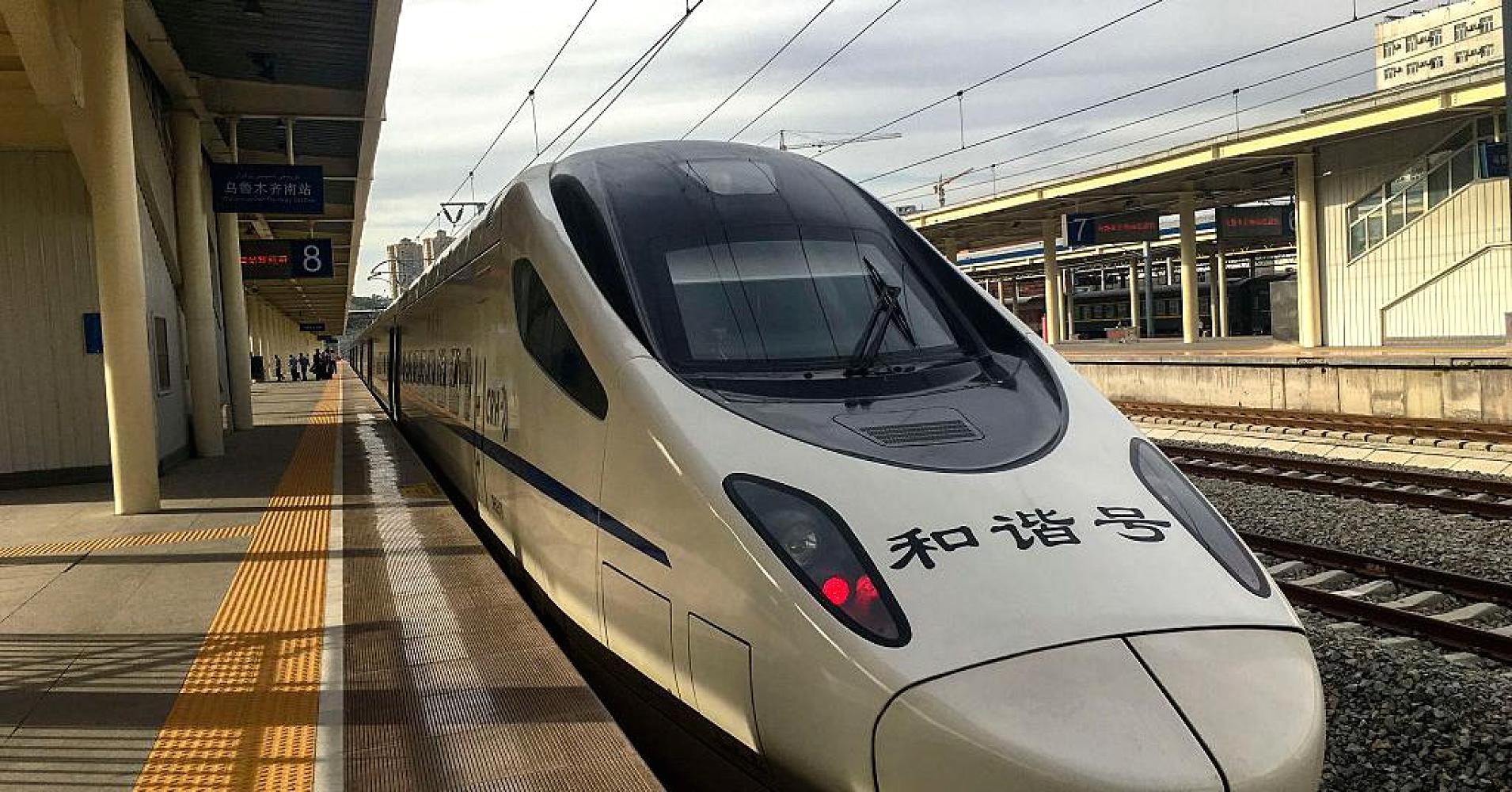
The massive plan — which analysts are still struggling to quantify — aims to connect Asia, Europe, the Middle East and Africa with a vast logistics and transport network, using roads, ports, railway tracks, pipelines, airports, transnational electric grids and even fiber optic lines. The plan involves 65 countries, which together account for one-third of global GDP and 60 percent of the world’s population, or 4.5 billion people, according to Oxford Economics earlier this year.
It’s all part of China’s push to increase global clout — building modern infrastructure can attract more investment and trade along the route. The policy could also boost the domestic economy with demand abroad, and might soak up some of the overcapacity in China’s industrial sector.