
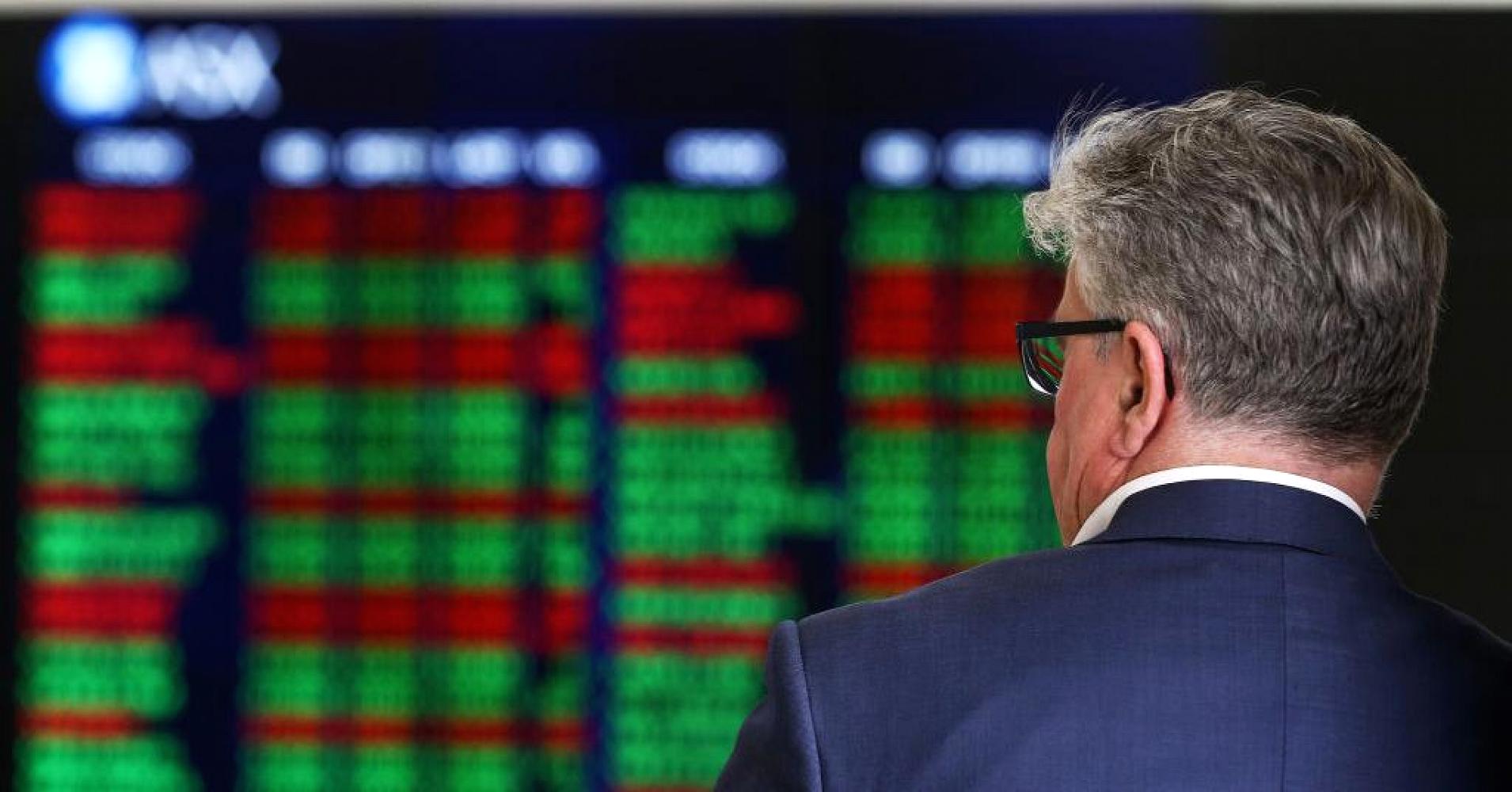
Declines were also seen in Asian markets last week: Japan’s Nikkei 225 closed lower by 2.32 percent in the previous session and was down 11.38 percent from its 52-week high as of Friday.
Greater China markets were some of the worst performers last week, with the Shanghai composite down 12.75 percent from its 52-week high and Hong Kong’s Hang Seng Index 11.88 percent below its 52-week high as of Friday.
“The severity of the falls globally … suggest we may have already seen the worst, but with bond yields likely to go back up further and uncertainty about how much the unwinding of short volatility positions has to go, further weakness cannot be ruled out in the short term,” Shane Oliver, head of investment strategy at chief economist of AMP Capital, said in a Friday note.
Still, in the absence of a recession, “the pullback is just another correction,” Oliver added.
Also of note, President Donald Trump on Friday signed a roughly $300 billion budget plan into law after the U.S. Congress passed the bill earlier that day.
Back in Asia, Australia’s S&P/ASX 200 slipped 0.53 percent in early trade.
Japanese markets are closed on Monday in observance of a public holiday.
On the commodities front, oil prices sank for a sixth straight day on the back of rising production and the firmer dollar last week. U.S. West Texas Intermediate lost 3.2 percent to settle at $59.20 per barrel and Brent crude futures settled 3.1 percent lower at $62.79.
In currencies, the dollar index, which tracks the U.S. currency against a basket of rivals, stood at 90.442. Against the yen, the dollar traded at 108.84 at 6:44 a.m. HK/SIN, slightly firmer than Friday’s close of 108.78.
The Australian dollar was steady at $0.7818.