
That said, West said “less traceable cyberactivity” by the North Koreans still is a possibility. He said the regime “can pull off cyberattacks without necessarily having to own up to them.”
Indeed, North Korea also has showed it has capability to carry out massive cyberattacks, including stealing virtual currencies such a bitcoin or using computer worms such as the so-called WannaCry attack. Also, some experts believe North Korean leader Kim Jong Un could possibly be provoked to order a cyberattack if he felt he was being severely disrespected or to embarrass South Korea.
Last month, activists in Seoul burned pictures of the North Korean leader and the regime’s flag during the visit by a North Korean entertainer. That led the Korean Central News Agency, the North’s propaganda mouthpiece, to lash out that the action was done by “a despicable group of gangsters.”
According to Strafor, North Korea isn’t the only country that might try a cyberattack timed to the Winter Olympic.
“One actor to watch carefully is going to be Russia,” said the Stratfor’s West.
In December, the International Olympic Committee took action against the Russian team for a state-backed “manipulation of the anti-doping rules” and effectively limited their activities in the Winter Olympics. Russian-backed hackers have previously targeted the IOC, the anti-doping agency as well as American and European sporting agencies — all in an attempt “to undermine the global case to kind of ostracize Russia in sporting events because of their involvement in doping,” according to West.
Meantime, North Korea is sending its ceremonial head of state, Kim Yong Nam, to attend the opening ceremony of the games, the reclusive government’s state-run news agency announced Monday. The 90-year-old is sometimes described as the No. 2 official since he heads North Korea’s parliament.
Amid signs of inter-Korean cooperation during the Pyeongchang Winter Olympics there also are events showing their frosty relationship. Specifically, the North Koreans planned a large military parade in Pyongyang the day before the Winter Games kick off and are expected to trot out the latest ballistic missiles and other menacing weapons.
Defense analysts say there remains a risk of a nuclear or missile test during the games but add that the likelihood has dimmed with Pyongyang now participating in the Winter Olympics.
However, analysts say the chance of a provocation taking place will increase after the Pyeongchang Winter Olympics. That’s because the two big joint U.S.-South Korean military exercises, the so-called Foal Eagle and Key Resolve, are scheduled to start at the conclusion of the Olympics. The annual drills, which North Korea has seen over the years as a war rehearsal, involve navy ships, tanks and aircraft as well as live-fire exercises and tens of thousands of troops.
The last time North Korea is believed to have tested a ballistic missile was in late November when it launched a Hwasong-15, an intercontinental ballistic missile capable of striking all of the U.S. mainland, according to experts. Last year, the North Koreans threatened a missile strike near the U.S. Pacific territory of Guam and also warned they might explode a hydrogen weapon in the atmosphere over the Pacific.
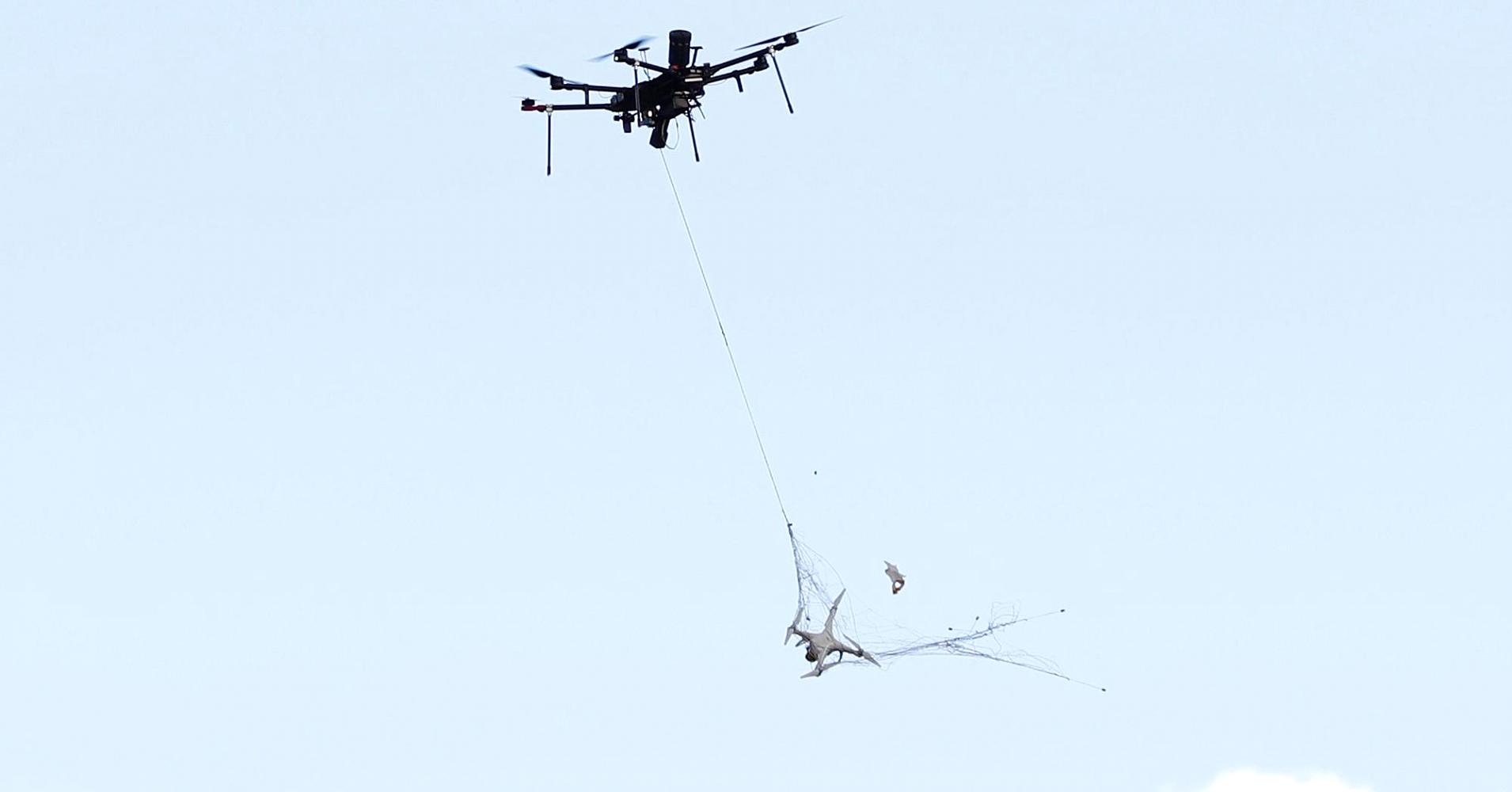
One of the ballistic missile defenses the U.S. installed in South Korea and Guam is the THAAD anti-missile defense system. The North Koreans sent a drone into South Korea last year to get pictures of the THAAD battery and gather intelligence. The North’s drones also have taken images of sensitive government buildings in Seoul.
“The key problem has been detecting the drones,” said Bruce Bennett, a senior defense researcher at the Rand Corp. think tank in California. “South Korea knows that for probably a decade their airspace has been regularly penetrated by North Korean drones.”
Added Bennett, “The South Koreans haven’t noticed them, shot them down or intercepted them. They even had a drone fly over their Blue House, the counterpart to the U.S. White House, and take pictures. They only found out about it because the drone crashed on its way back to North Korea — and they got the film.”