
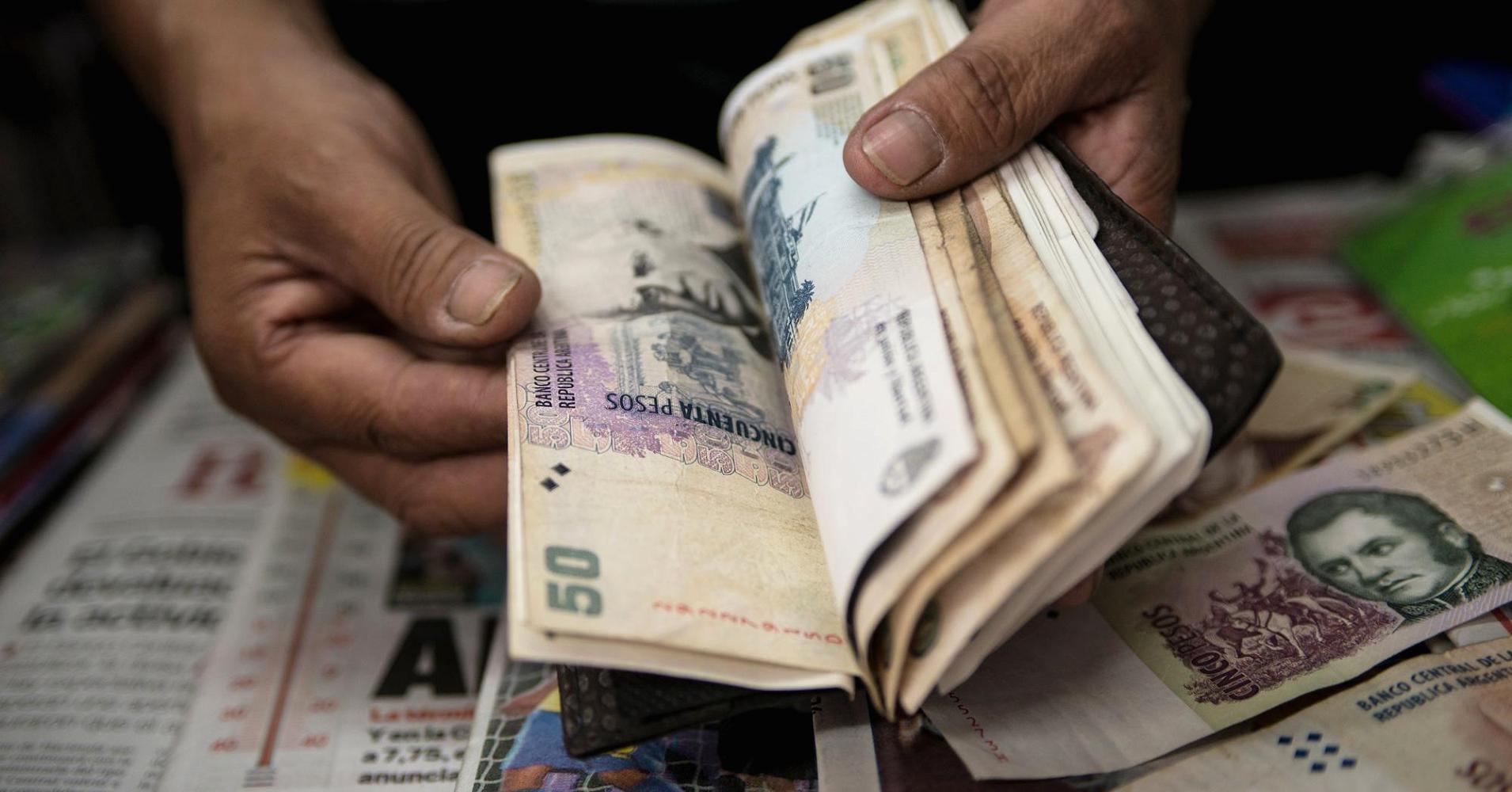
While Lawson said from a market’s perspective the deal reflects the market’s strong risk appetite for higher yielding debt, he also criticized the move keeping in mind Argentina’s history of defaults.
“Argentina has a history of periodic default. Between 1824 and 2014, it actually defaulted eight times. While the current administration may be making positive economic policy progress, the longer term record suggests that Argentina is prone to periodic economic difficulties and political instability. However, it is unlikely that the investors in its debt view this is as a concern, with investment being driven by the prevailing yield hunger,” Lawson said.
Although the failure to secure an emerging market status may be a blow to Argentina’s dreams of making its way back into global markets, IHS’ Lawson suggested that the deal could prove to be very attractive for the country.
“Only a few years ago, Argentina was struggling to borrow at single digits at any maturity. Now it has done so at below 8 percent for 100 years. If U.S. interest rates rise, market conditions worsen, or political instability returns to Argentina, this deal could appear very attractive funding for the borrower.”