
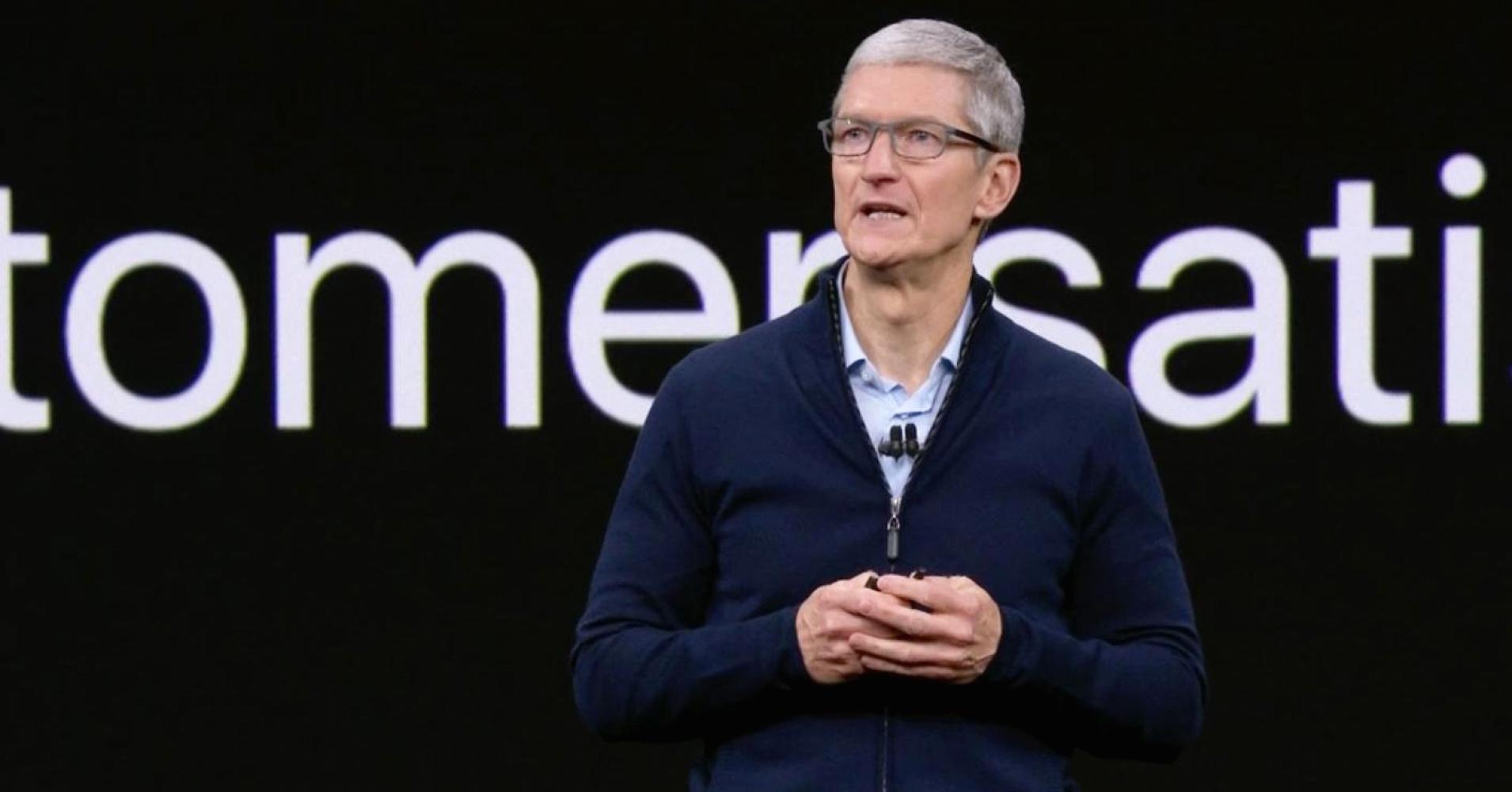
ABI’s report said Apple will “lag due to innovation complacency.”
Apple was not immediately available for comment when contacted by CNBC.
McQueen explained that established device makers like Apple, Samsung and Microsoft will be “followers” in the new market and are “not currently as well set up to drive future innovation,” mainly due to their legacy hardware businesses. But they should not be dismissed because they have a “major influence on the market” through brand and market share.
All of the major technology players are trying to release new products beyond the smartphone, with many focusing on smart digital assistants. Amazon has its Echo smart speaker with the AI voice assistant Alexa built in. The U.S. e-commerce giant has been releasing several different versions of the Echo and has also been integrating Alexa with other products from device makers.
Meanwhile, Google has brought out a rival product called Google Home with its own smart assistant. And Apple is gearing up to launch its competitor to the Echo called the HomePod, with its voice assistant Siri built in. Samsung has also been trying to push its own digital assistant called Bixby on its new Galaxy S8 and Note 8 smartphones. CNBC also reported in August that Samsung is set to launch its own smart speaker next year.
Voice assistants appear to be the next big battleground as technology companies look to offer new experiences and ways to interact with devices beyond the touchscreens on smartphones. But winning the market could require a lot of money.
“There will be a requirement for significant investment in the underpinning technologies and technical expertise as well as the creation of ‘intelligent phones’ that are able to effectively leverage these forthcoming technologies,” ABI Research said.