

As the Trump administration pushes ahead with its proposed reboot of the NAFTA negotiations, talks this month entered their sixth round of talks. Even as Trump suggested the U.S. could withdraw completely, both Canada and Mexico have hardened their positions.
“We think investors are likely to continue to be cautious about Mexico relative to other emerging markets. Even if NAFTA negotiations go smoother than anticipated, the election will trigger more market angst the closer it gets,” said Barrineau.
A Mexico without NAFTA would likely grow more slowly, and growth is already likely to be sluggish for the next few years. The U.S. economy’s strong growth is not translating into much faster Mexican growth, as has traditionally been the case.
Part of the country’s slow growth is due to high consumer prices. Mexico ended 2017 with inflation at 6.69 percent, which has pressured the central bank to keep borrowing costs high.
In recent years, local activity [in Mexico] has been resilient against a backdrop of volatile economic growth performance in the region. Nevertheless, Mexico’s economic growth has remained rather stable around 2 percent.
“Monetary policy action and central bank credibility have managed to maintain medium-and long-term inflation expectations well anchored despite the recent hump in actual inflation,” Marcelo Carvalho, head of emerging market research, Latin America, with BNP Paribas told CNBC.
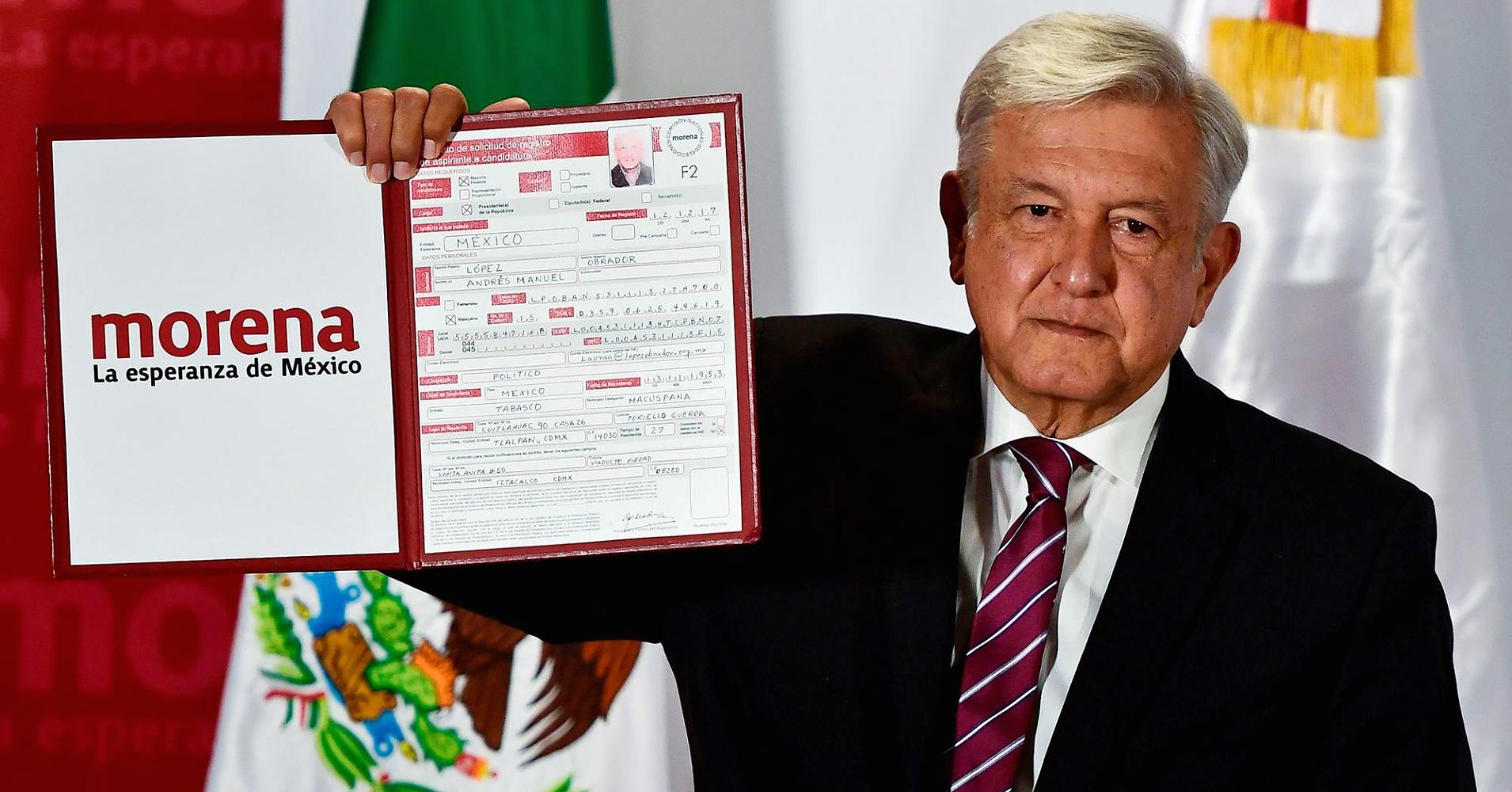
NAFTA talks, however, remain a big wild card. Under the increasing risk of a dismantled trade pact, the short-term impact on Mexico might be significantly negative — especially if a populist president takes the helm of the economy. This scenario could mean investors flee Mexican assets, along with slower job creation sluggish business activity, analysts say.
In the medium and long-term, however, there is a potential silver lining if the end of NAFTA were to trigger a constructive effort to diversify Mexico’s trade towards other trade partners. Along with its having forged investment pacts within Latin America, analysts pointed out that Mexico has already signed free trade agreements with 46 countries.
“In fact, the strongest source of dynamism in Mexican exports recently has come from Asia and Europe,” Carvalho said.






